
$ 0.00
0
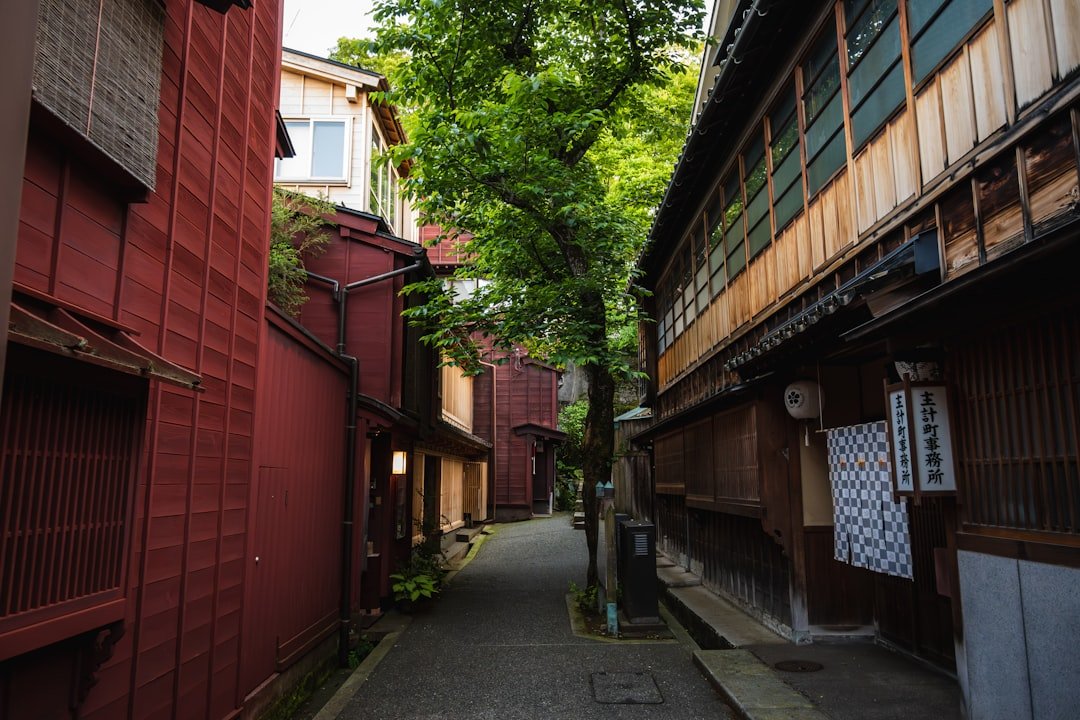
There is a specific kind of magic that unfolds when you step off the bullet train at Kanazawa Station. While Tokyo dazzles with neon intensity and Kyoto hums with the relentless footsteps of tour groups, Kanazawa quietly stands as a masterclass in refined Japanese heritage, accessible luxury, and effortless solitary exploration. Tucked neatly between the dramatic Sea of Japan and the towering Japanese Alps, this coastal city in Ishikawa Prefecture managed to escape the devastating air raids of World War II. As a result, its Edo-period historic districts, wooden tea houses, samurai residences, and feudal garden design remain extraordinarily intact.
For the independent adventurer, Kanazawa is arguably the most user-friendly solo destination in East Asia. It offers all the atmospheric allure of ancient Kyoto, but with significantly fewer crowds, a compact downtown layout that is entirely walkable, and an eating culture that actively welcomes single diners. Whether you are sipping matcha in a 200-year-old chaya, biking along quiet riverbanks lined with weeping willows, or indulging in sea urchin and fatty tuna directly from fishmonger stalls, traveling solo here never feels lonely or intimidating.
In this comprehensive, hyper-focused itinerary and logistical guide, we will break down how to spend three perfectly paced days in Kanazawa as a solo traveler. You will discover secret alleyways, learn how to navigate local izakaya counters like a seasoned resident, avoid tourist traps, and optimize your budget down to the last yen.
If you are contemplating your first solo trip to Japan—or simply seeking a break from the frantic golden route—Kanazawa ticks every imaginable box. Japanese society is famously accommodating to individuals doing things alone, a social phenomenon often referred to as ohitorisama culture. In Kanazawa, this principle shines brightly.
First and foremost, safety is absolute. You can casually stroll through dimly lit historic lanes at 11:00 PM with zero safety concerns, making evening photography and late-night noodle runs an absolute joy. Second, the city’s scale is remarkably manageable. Unlike Tokyo’s labyrinthine railway networks, Kanazawa’s major sights are clustered within a 2.5-mile radius surrounding the imposing Kanazawa Castle Park.
Moreover, the dining scene is practically designed for one. Japanese culinary culture emphasizes counter seating (kounter-seki), meaning you will almost never be ushered to an awkward four-person table while dining alone. From high-end sushi bars to steaming oden counters, dining solo is considered standard behavior rather than an anomaly.
Before arriving, make sure you secure a prepaid transit card or local rail pass to keep your movements seamless. You can conveniently book your rail connections through our trusted partner: JR Pass – Hokuriku Arch Pass.
Begin your solo journey early at 8:00 AM, before the morning tour buses arrive. Start along the quiet banks of the Asano River in Kazuemachi Chaya District, a lesser-known entertainment quarter where the delicate sound of shamisen music occasionally drifts from dark wood windows. Walking along the riverbank path, shaded by cherry blossom trees, offers a serene introduction to the city’s understated elegance.
From Kazuemachi, cross the historic bridge into Higashi Chaya District. This is Kanazawa’s largest preserved geisha quarter, famed for its dark lattice wood facades (known as kimusuko) and stone-paved streets. As a solo traveler, arriving early allows you to photograph these iconic streets without a single soul in your frame. Pop into Shima Teahouse, an authentic historic geisha house operating as a museum, to admire preserved instruments and inner courtyard gardens.
Before leaving the district, treat yourself to Kanazawa’s signature indulgent novelty: gold-leaf soft-serve ice cream. Ishikawa produces over 99% of Japan’s gold leaf, and eating a cone wrapped in a paper-thin sheet of 24-karat gold is an essential rite of passage. Expect to pay around ¥1,000 to ¥1,200 ($6.50–$8.00 USD) for this glittering treat.
Cross over to Kanazawa Castle Park, the former seat of the powerful Maeda Clan who ruled the Kaga Domain during the Edo Period. While the original main keep burned down centuries ago, the beautifully restored Hishi Yagura (rhombus-shaped watchtower) and Gohyakunin-yagura storehouses showcase mind-boggling classical carpentry performed without a single nail.
Spend time wandering through the Gyokusen-inmaru Garden, tucked on the western edge of the castle grounds. Reconstructed painstakingly from historical feudal documents, this sunken garden features cascading waterfalls, stepping-stone bridges, and manicured black pines framing a central pond. Grab a quiet seat at the rest house overlooking the garden; it is one of the best peaceful spots in the city to journal or enjoy a calm moment alone.
As darkness falls, make your way south toward Katamachi, Kanazawa’s bustling night district. Skip the main commercial streets and head straight into the narrow alleyways of Chuo Miichi. Here, tiny four-to-six-seat izakayas glow under red lanterns. Look for a shop with a plain cloth curtain (noren) hanging at the door. Slide the door open, raise one finger to signal a party of one, and pull up a wooden stool. Order a glass of local Ishikawa sake and a plate of charcoal-grilled yakitori or fresh sashim—the locals behind the counter will almost certainly strike up a warm, welcoming conversation.
Set your alarm for early light. Kenroku-en is officially rated as one of the Three Great Gardens of Japan, and for good reason. Its name translates to the “Garden of Six Attributes,” referring to spaciousness, seclusion, artifice, antiquity, water features, and panoramic views—attributes traditionally considered difficult to combine in a single landscape design.
Warning: By 10:30 AM, Kenroku-en can get crowded with large tour groups. To experience its true meditational beauty, enter right when the gates open (6:00 AM in summer, 7:00 AM in winter). During early access hours, admission is frequently free through designated gates, and you will share the mossy pathways only with local gardeners and birdwatchers. Highlights include the iconic Kotoji-toro (two-legged stone lantern), the oldest fountain in Japan powered by natural water pressure, and the sweeping views over the city toward the snow-capped Utatsu Mountains.
Located directly across the street from Kenroku-en is a striking architectural contrast: the circular, glass-walled 21st Century Museum of Contemporary Art designed by SANAA. This museum is internationally acclaimed for its interactive installations that invite personal contemplation.
The most famous exhibit is Leandro Erlich’s “The Swimming Pool”, where visitors can look down through water at people walking along the dry pool floor below. Pro-tip: You must pre-book timed entry tickets online for the underground pool chamber, though walking around the upper perimeter deck is completely free of charge. You can arrange your museum passes and city highlights walking tours effortlessly online: GetYourGuide – Insert exact Kanazawa Cultural & Museum Walking Tour.
For lunch and early dinner, plunge into the sensory wonderland of Omicho Market. Known colloquially as “Kanazawa’s Kitchen,” this bustling covered market has been feeding the city since 1721. Over 180 stalls line the narrow corridors, overflowing with giant snow crabs (Kano-gani), sweet botan shrimp, fatty bluefin tuna, and seasonal sea urchin.
Eating solo in Omicho Market is an absolute blast because you are not tied to a group’s consensus. You can graze freely from stall to stall:
Spend your final morning stepping into the world of feudal warriors in the Nagamachi Samurai District. Nestled just west of the city center, this peaceful neighborhood retains its mud-brick walls (dobe-bei), wooden gates, and crystal-clear irrigation canals that once supplied water to samurai residences.
Visit Nomura Samurai House, a beautifully restored residence belonging to a high-ranking warrior family. The interior houses authentic Edo-period samurai armor and sword collections, but the absolute crown jewel is its tiny interior garden. Named one of the finest small gardens in Japan by international landscape journals, it features a glass-clear stream with swimming koi, ancient stone lanterns, and a dramatic vertical waterfall carved into miniature rock cliffs.
Kanazawa is a UNESCO City of Crafts and Folk Art, renowned not just for gold leaf, but also Kutani porcelain, Kaga Yuzen silk dyeing, and lacquerware. Dedicate your afternoon to getting hands-on with local artisans.
Book a solo workshop at a traditional shop like Hakuichi or Imai Kinpaku where master craftsmen teach you how to apply micro-thin sheets of gold leaf onto lacquer plates, wooden boxes, or chopsticks using bamboo tweezers and specialized glue. Workshops cost around ¥1,500 to ¥2,500 ($10.00–$16.00 USD) and take roughly 60 minutes, leaving you with a personal souvenir you created with your own hands.
Wrap up your Kanazawa stay by visiting Nishi Chaya District, the smallest and least commercialized of the city’s three geisha quarters. Located south of the Sai River, its single strip of dark-timber teahouses feels delightfully secluded at dusk.
Finish your trip with a curated local sake tasting. Ishikawa Prefecture is famous throughout Japan for its crisp, clean, dry sake crafted using pristine mountain meltwater. Pop into a neighborhood tasting room or a cozy craft beer bar along the Sai River, toast to your successful solo adventure, and watch the sun dip behind the coastal hills.
Selecting the right accommodation can make or break a solo itinerary. Kanazawa excels at offering high-quality, immaculate lodging tailored specifically for single occupants, ranging from stylish modern hostels to luxurious boutique design hotels.
Here is a breakdown of top neighborhoods and property types to consider:
To secure the best rates and instant confirmation on boutique solo-friendly rooms, check available stays through our booking engine partner: Kanazawa Boutique Solo Hotels.
Dining alone in a foreign country can sometimes induce anxiety, but Kanazawa makes the experience effortless once you understand a few key culinary traditions.
Oden is the ultimate solo comfort food. It consists of various ingredients—such as daikon radish, boiled eggs, tofu, fishcakes, and local Kaga vegetables—simmered for hours in a rich, dashi-based broth. Oden restaurants feature giant steaming pots built right into the central bar counter. You simply point at what looks delicious or ask the chef for the “Omakase” (chef’s choice selection of 5 items). A hearty oden meal with a draft beer rarely exceeds ¥2,000 ($13.00 USD).
Do not let the conveyor belt concept fool you; conveyor belt sushi in Kanazawa is world-class due to the city’s direct access to rich fishing grounds in the Sea of Japan. Places like Maimon Sushi or Morimori Sushi offer touch-screen ordering pads with full English menus. Order fresh local specialties like Nodoguro (blackthroat seaperch, lightly torched with sea salt) and Shiro-ebi (sweet white glass shrimp).
For an ultra-casual, cheap solo lunch, grab a plate of Kanazawa-style curry at local chains like Champion’s Curry or Go Go Curry. Served on stainless steel plates with a thick, rich dark sauce over rice, topped with a crispy pork cutlet (katsu) and shredded cabbage, it is one of the most filling meals in Japan for under ¥900 ($5.80 USD).
Navigating Kanazawa is exceptionally simple. Here are the key logistical details every solo traveler needs to know before hitting the ground:
From Tokyo, the **Hokuriku Shinkansen** (Kagayaki or Hakutaka trains) whisk you directly to Kanazawa Station in just 2 hours and 25 minutes. From Kyoto or Osaka, take the Limited Express Thunderbird train, transferring to the new Shinkansen extension at Tsuruga (total travel time ~2 hours).
While the city is very walkable, public transit options are cheap and efficient:
Here is what you should realistic budget for a 3-day solo trip to Kanazawa (excluding long-distance Shinkansen transit):
Critical Warning on Cash & Operating Hours: While major hotels and chain restaurants accept international credit cards, many small market stalls in Omicho and family-run izakayas remain strictly cash-only. Always carry at least ¥10,000 in physical cash with you. Additionally, note that many museums and historic houses close on Mondays, so plan your itinerary accordingly!
Kanazawa represents the absolute best of independent travel in Japan. It effortlessly balances rich feudal preservation with cutting-edge modern design, offering a calm, contemplative pace that invites you to lingering over every sight, taste, and experience.
When packing for your trip, keep in mind that Ishikawa Prefecture is known for its rainy, humid coastal climate—there is an old local proverb that says: “Even if you forget your lunchbox, never forget your umbrella!” Pack a compact quality umbrella or rain shell, comfortable waterproof walking shoes for cobblestone streets, and slip-on footwear, as you will be taking your shoes off frequently when entering historic homes, teahouses, and traditional restaurants.
Embrace the freedom of exploring at your own pace. Wander down that unnamed alley in Higashi Chaya, order that dish on the menu you can’t translate, and let Kanazawa reveal its delicate, timeless magic to you one solo step at a time.