
$ 0.00
0
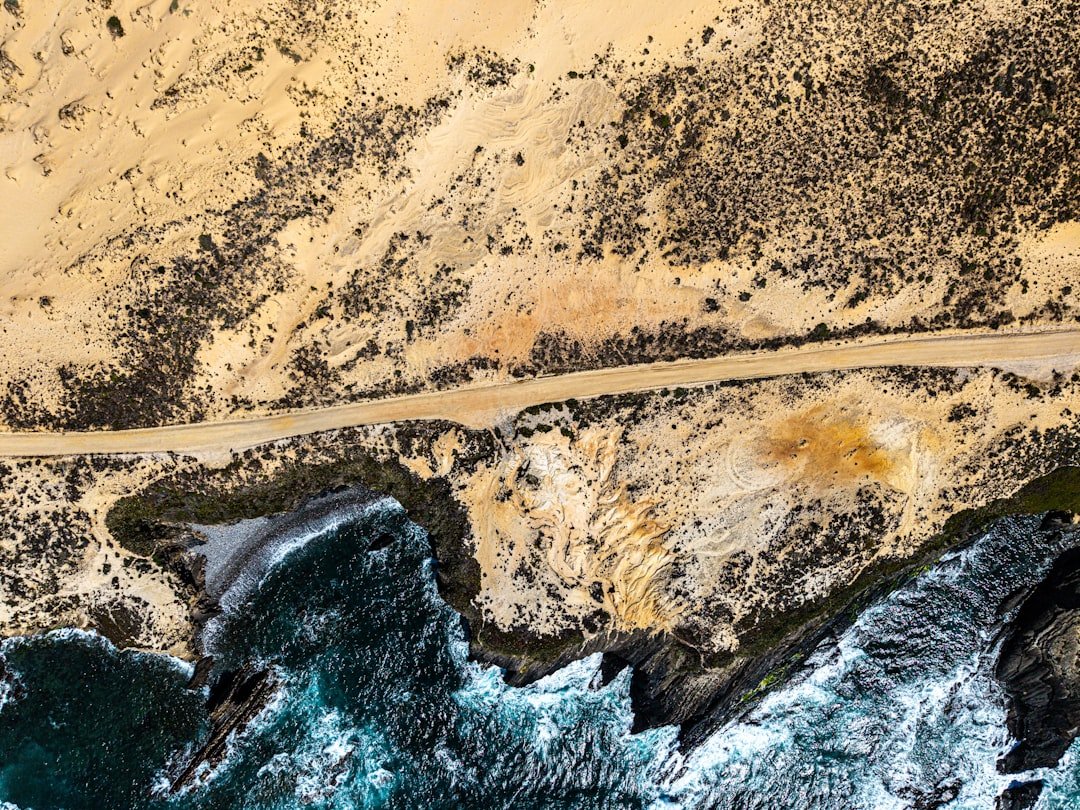
Standing on the jagged cliffs of the Southwest Alentejo and Vicentine Coast Natural Park, watching waves crash against ancient rock formations while soft gold sea oats sway in the Atlantic breeze, you quickly realize why Portugal’s Fishermen’s Trail (Trilho dos Pescadores) is routinely hailed as one of the best coastal day-hiking routes in Europe. For solo travelers looking for safety, solitude, breathtaking coastal landscapes, and warm Iberian hospitality, this trail is practically tailor-made.
Part of the broader Rota Vicentina network, the Fishermen’s Trail clings to the wild southwestern rim of Portugal. Historically forged by locals clambering down perilous marine sea stacks to harvest goose barnacles and catch fresh sea bass, today’s path is an exceptional trekking destination. It combines deep sand dune walking, dramatic seaside cliff edges, affordable village guest houses, and fresh seafood taverns at the end of every daily trek.
Whether you are planning your first solo multi-day hike or are a seasoned backpacker looking for your next coastal pilgrimage, this comprehensive 5-day stage-by-stage guide covers everything you need to know to execute a flawless solo adventure from Porto Covo down to Aljezur.
Before lacing up your hiking boots and catching the bus out of Lisbon, let us break down the foundational details you need to navigate this journey smoothly as a solo traveler.
The core coastal sequence from Porto Covo to Aljezur covers roughly 75 kilometers (46.6 miles) across 5 distinct daily walking stages. While the overall trail profile features relatively low cumulative elevation gain, do not be fooled into thinking this is a simple stroll in the park. Over 50% of the core trail consists of soft, deep beach sand, which puts significant strain on calf muscles, ankles, and Achilles tendons. Walking through soft sand with a loaded backpack can feel up to twice as tiring as hiking standard dirt trails.
One of the main reasons the Fishermen’s Trail is perfect for independent solo travelers is how easy it is to navigate. The entire route is marked with vibrant blue and green painted stripes on wooden posts, rocks, electric poles, and fences. If you ever see a blue and green painted “X”, you have made a wrong turn. Cell phone coverage is surprisingly consistent along 90% of the trail, giving solo hikers peace of mind in case of unexpected situations.
If you prefer to trek light without carrying a 12 kg backpack over miles of shifting sand dunes, local transport services operate seamlessly along the trail. You can arrange daily luggage transfers between your accommodations for roughly €15 per bag per stage. You leave your main suitcase or duffel bag at your hostel reception by 9:00 AM, and it arrives at your next guest house before you check in later that afternoon. You can easily arrange luggage transfers through Vicentina Transports – Luggage Transfer Service
The ideal weather window falls between March and May, or September through November. Spring brings incredible displays of blooming wildflowers covering the cliff tops and nesting storks atop dramatic sea pillars. Autumn offers warm sea temperatures if you like taking daily ocean dips after your trek. Avoid mid-summer (July and August) at all costs—temperatures spike, shade is virtually non-existent, and heavy tourist crowds flood the coastal towns.
Your journey begins in the picturesque whitewashed fishing village of Porto Covo, located roughly two and a half hours south of Lisbon by express coach. Secure your seat ahead of time by booking your transit via Busbud – Rede Expressos Bus from Lisbon to Porto Covo.
This initial stage serves as your immediate trial by fire for sand walking. Shortly after leaving the charming cobbled square of Porto Covo, the trail plunges directly into extensive coastal sand dunes. Wear fitted high-top gaiters over your trail runners to keep sand from constantly filling your shoes. About 3 kilometers in, you will gaze out at the rocky islet of Ilha do Pessegueiro, home to 16th-century fort ruins that once defended the coastline against pirate raids.
As you press south along the rugged bluffs, you will cross pristine, untouched beaches such as Praia do Salthinho and Praia da Aivados. Take your time traversing these coastal sections. The visual reward of sparkling azure surf contrasting against deep red clay and golden quartz cliffs makes every slow step through the deep sand worth the effort.
The stage concludes with a scenic descent toward the Mira River estuary as you enter Vila Nova de Milfontes, a vibrant coastal town brimming with excellent traditional eateries and welcoming solo-friendly guesthouses.
Treat yourself to dinner at a local tasca and order a hot ceramic bowl of Caldeirada de Peixe (traditional fisherman’s fish stew), which usually costs around €14 to €18. For accommodation, stay right in the village center where you can mingle with fellow solo hikers. Find great rooms on Solo Traveler Friendly Stay in Vila Nova de Milfontes
Day 2 offers a shorter, more relaxed walking itinerary, allowing your legs to adapt to the trail rhythm after the previous day’s heavy sand workout.
To begin this stage, solo hikers have two choices for crossing the wide River Mira. You can either walk 4 kilometers inland to cross via the concrete road bridge, or take a fun local water taxi shortcut right from the river beach. Take the small water taxi boat for around €3 to €5—it saves your energy for the trail ahead and gives you a stunning water-level view of the town’s ancient castle walls.
Once on the southern riverbank, the path winds through serene pine forests, acacia groves, and sweet-smelling eucalyptus woods before returning to the coastline. Here, the geology dramatically shifts. You will walk across dark, folded schist slate cliffs carved out by millions of years of oceanic erosion. The waves here crash with astonishing power, shooting misty sea spray high up into the coastal scrub foliage.
You will reach the small, sleepy hamlet of Almograve by mid-afternoon. Almograve is small, quiet, and peaceful—ideal for a relaxing afternoon spent resting your feet on the beach or sipping cold Portuguese Sagres beer at a local plaza cafe.
Never step close to the unstable cliff edges to take photos or selfies. The sandstone and slate along this coast are constantly eroding, and undercut overhangs can collapse without warning. Always stay on the clearly marked path, maintaining a safe distance of at least 2 meters from edge drops.
Widely considered by long-distance trekkers as one of the single most visually spectacular coastal day-walks in all of Western Europe, Stage 3 is packed with unique natural phenomena.
Leaving Almograve, you walk past the small fishing harbor of Lapa de Pombas, where small brightly painted boats sit suspended on high wooden stilts to escape raging tide waters. As you continue toward Cabo Sardão, keep your eyes focused on the sharp sea stacks jutting out from the ocean floor. This is the only place in the world where white storks nest on marine cliff faces and ocean rocks.
Watching massive storks navigate offshore Atlantic winds to land gently on tiny rock pillars while caring for their chicks is an unforgettable spectacle. Bring a small pair of travel binoculars in your daypack to get an up-close view of this incredible avian behavior.
At Cabo Sardão, you will encounter a charming white-and-red lighthouse built curiously backward—the main light tower sits facing inland toward the land rather than toward the open ocean. From the lighthouse, the trail skirts vast red-earth plateau dunes before descending down into the white cliffside village of Zambujeira do Mar, which sits atop a steep bluff looking over a spectacular surf beach.
Stage 4 marks an exciting milestone: you leave the Alentejo region behind and cross over the traditional boundary into Portugal’s famous southern region—the Algarve.
The trail exits Zambujeira do Mar following a elevated track that passes Praia da Amália, a secluded cove named after the legendary Portuguese Fado singer Amália Rodrigues, who used to come here to escape public life. A shaded coastal stream tumbles directly down onto the beach sand here, creating a tiny natural waterfall right at sea level.
Further along, you will pass through the tiny fishing harbor of Azenha do Mar. Stop at the local harbor restaurant for fresh seafood soup served inside a hollowed-out rustic bread loaf. It is an amazing local treat that will power you through the remaining miles of your daily walk.
The finale of this stage is breathtaking. As you top the last coastal ridge, you look down onto the winding Seixe River snake around a massive sand spit, framing the gorgeous crescent curve of Praia de Odeceixe. You will walk 3 kilometers along the scenic riverbank into the hillside town of Odeceixe, where blue-trimmed houses step up steep cobblestone alleyways capped by an ancient restored windmill.
Book a local bed and breakfast in the upper village so you can enjoy sunset views overlooking the valley. Reserve your room in advance using Guesthouses and Boutique Stays in Odeceixe.
The final stage of your 5-day coastal journey takes you deeper into the raw, windswept nature of the Northern Algarve, blending coastal cliff trails with quiet inland valleys.
Leaving Odeceixe, the trail follows an irrigation canal (the Acequia) through calm green agricultural fields before heading back out toward the coast near Vale da Telha and Rogil. The air here smells richly of wild rosemary, cistus rockrose, and salty ocean spray.
If you prefer extra coastal action, you can follow the official coastal variant past Praia da Amoreira, where dark volcanic rocks contrast dramatically with pale golden sand dunes and turquoise surf waves. Amoreira beach is famous among surf culture enthusiasts for its consistent rolling swells and wild atmosphere.
Your 5-day trek finishes in historic Aljezur, a town dramatically split into two halves by a central river valley. Crowning the hill on the older western side sit the impressive stone ruins of a 10th-century Moorish Castle. Climbing up to the castle walls gives you a 360-degree panoramic view over the hills and valleys you just conquered across your 5-day trek.
Congratulate yourself on completing the journey! Head down to a local tavern in Aljezur and order a serving of locally grown sweet potatoes (Aljezur is famous for growing the best sweet potatoes in Europe), paired with slow-roasted pork or fresh sea bream, followed by a celebratory glass of Medronho fruit brandy.
Success on the Fishermen’s Trail boils down to smart preparation. Here is a breakdown of essential items and safety practices tailored specifically for solo backpackers.
Do not wear heavy, rigid leather mountaineering boots for this trail. The footbed needs to flex naturally over sand dunes. Breathable, lightweight trail running shoes paired with merino wool socks are your best bet. Merino wool wicks moisture away quickly and prevents friction blisters when fine sand inevitably gets into your footwear.
Shade is virtually non-existent along coastal cliff tracks. You will be exposed to direct sunlight and high wind exposure for hours at a time. Carry at least 2.5 liters of water per day in a hydration bladder or reusable lightweight bottles. Equip your daily pack setup with these non-negotiable items:
While Portugal ranks consistently among the safest countries in the world for solo travelers, basic wilderness safety practices should always be followed:
1. Share your daily itinerary: Text a family member or friend every morning before starting your stage, letting them know your start time and destination hostel.
2. Download offline maps: Use navigation apps like AllTrails or Komoot. Download offline topographic maps beforehand so you can verify your position even without active cell signal. Get a free trial of offline maps by visiting AllTrails Plus – Download Offline Maps for Rota Vicentina.
3. Secure travel insurance: Ensure your policy explicitly covers hiking and outdoor trekking activities. Protect your trip by booking coverage via World Nomads – Solo Travel Insurance Coverage.
Hiking the Fishermen’s Trail is incredibly budget-friendly compared to other famous European multi-day walks like the Tour du Mont Blanc or the Camino de Santiago. Here is an realistic breakdown of daily expenses for an independent solo hiker:
Solo travel is about more than just seeing new places—it is about testing your independence, finding quiet mental space, and reconnecting with nature on your own terms. Hiking Portugal’s Fishermen’s Trail gives you all of that with a safe, welcoming environment, delicious local food, and some of the most dramatic ocean coastlines anywhere on planet Earth.
So pack your trail runners, lather on your sunscreen, slung on your daypack, and get ready for an unforgettable 5-day solo trekking adventure along Portugal’s wild ocean edge!