
$ 0.00
0
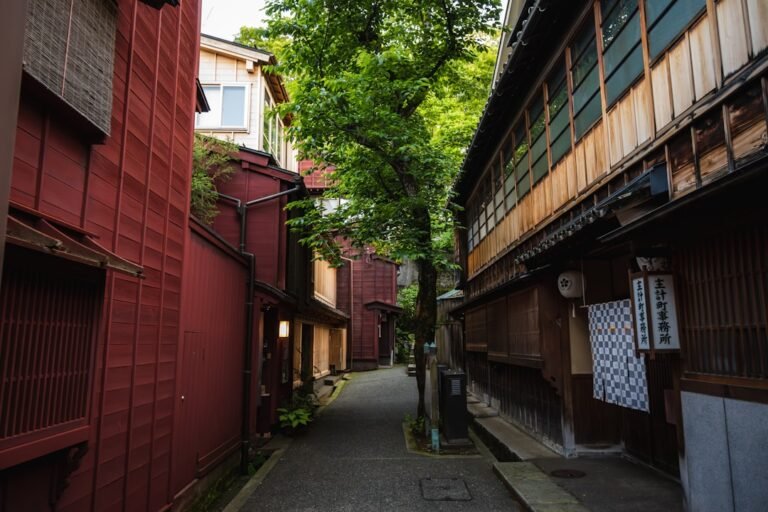
There is a rare kind of magic reserved for those who explore Kyoto on their own two feet. Walking through the narrow, stone-paved lanes of Higashiyama early in the morning, before the tour buses arrive and the shop shutters lift, feels like slipping through a tear in the fabric of time. Wooden machiya townhouses lean softly over narrow alleys, red paper lanterns sway lightly in the breeze, and the faint scent of burning incense drifts from moss-covered temple grounds. For solo travelers, Kyoto’s historic east side is not just a destination—it is a sanctuary of quiet reflection, effortless navigation, and sublime beauty.
Located along the lower slopes of Kyoto’s eastern mountains, Higashiyama is the beating heart of traditional Japan. While many travelers attempt to rush through its famous landmarks in a single packed afternoon, tackling this historic area solo allows you to slow down, notice the subtle details, and take detours down quiet alleys that group tours completely miss. Whether you are looking to lose yourself in tranquil Zen gardens, sample authentic street food without waiting on anyone else’s schedule, or photograph iconic wooden pagodas bathed in morning light, this hyper-focused 3-day walking itinerary will help you experience Higashiyama to its absolute fullest.
Traveling alone can sometimes come with logistical headaches, safety concerns, or moments of social awkwardness—especially when dining out. However, Higashiyama is practically designed to put independent travelers at ease. Japan consistently ranks among the safest nations on earth, and Kyoto in particular is famously welcoming to solo visitors.
Higashiyama is exceptionally compact and walkable, meaning you will rarely need to deal with confusing bus schedules or crowded subway transfers once you arrive in the district. Almost every major sight, tucked-away teahouse, and hidden garden is connected by picturesque pedestrian lanes. Furthermore, the dining culture in Kyoto is remarkably solo-friendly. Counter seating is the standard at most ramen shops, noodle bars, and small izakayas, allowing solo travelers to dine comfortably without feeling out of place.
Before kicking off your adventure, make sure you secure your IC transit card or pocket Wi-Fi router to navigate the winding streets seamlessly. You can easily pick up your pocket device at the airport by pre-booking through our partner link: 4G LTE Wifi
To maximize your solo journey through Higashiyama, timing is everything. Because this district contains some of Japan’s most cherished cultural heritage, famous spots can get congested by mid-morning. Here are the core rules for an incredible solo experience:
If you prefer to have a knowledgeable local expert introduce you to the area’s rich history on your first day, booking a small-group or private walking tour is a great investment: Gion & Higasiyam Small Group Tour.
Start your first full day early. Head toward Ninenzaka and Sannenzaka—the famous sloping stone paths lined with traditional wooden shopfronts. At 7:00 AM, the streets are completely silent except for the occasional local sweeping their doorstep. The classic photo of the five-story Yasaka Pagoda (Hokan-ji Temple) framing the narrow alley is best taken during this magical hour.
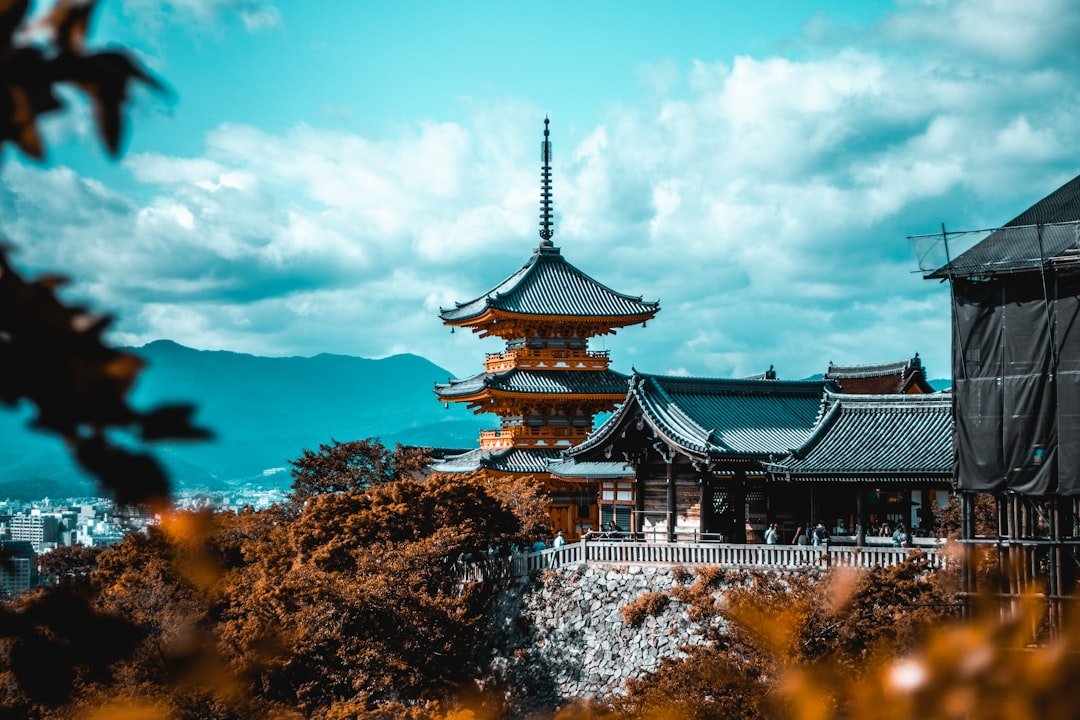
Continue uphill toward Kiyomizu-dera Temple, which opens its gates at 6:00 AM. Admission is quite affordable, costing roughly ¥400 per person. Step onto the iconic massive wooden stage built entirely without nails, offering panoramic views over Kyoto’s cityscape framed by surrounding maple tree branches. Don’t forget to visit the Otowa Waterfall at the base of the main hall. Use the long poles with metal cups to drink from one of three streams—reputed to bestow health, success, or love (tradition dictates picking only one stream, as drinking from all three is considered greedy!).
Descend from Kiyomizu-dera back down through the preservation district toward Kodai-ji Temple. Established in 1606, Kodai-ji features stunning Zen rock gardens, delicate maple groves, and a mini bamboo forest that rivals Arashiyama but with a fraction of the crowds. Entrance fees average around ¥600.
After visiting Kodai-ji, step into the peaceful alleyway known as Ishibe-koji. This narrow stone street is one of the quietest corners of southern Higashiyama. Stop by a local tea shop for a bowl of freshly whisked matcha paired with traditional wagashi (sweet rice pastry). Local Hack: Seek out Kasagi-ya, a tiny vintage teahouse near Sannenzaka operating since 1914, famous for its hand-crushed sweet azuki bean porridge.
As dusk approaches, cross over into Gion, Kyoto’s legendary entertainment district. Stroll along Hanamikoji Street, where red paper lanterns illuminate dark wooden tea houses (ochaya). If you are lucky, you might spot a Geiko or Maiko quietly hurrying to an evening appointment.
Dining solo in Gion can sound intimidating, but it is actually remarkably cozy. Head to a local ramen bar or a small obanzai eatery (Kyoto-style traditional small plates). Sitting at the counter allows you to watch the chef prepare seasonal vegetables, grilled fish, and handmade tofu right before your eyes. Expect a full dinner with a local craft beer or green tea to cost between ¥1,500 and ¥3,500.
On day two, focus on northern Higashiyama. Begin your morning at Nanzen-ji Temple, one of the most prominent Zen temples in all of Japan. The massive wooden Sanmon Gate guards the entrance; for a minor fee of ¥600, you can climb the steep stairs to the upper balcony for sweeping views over eastern Kyoto.
Tucked directly behind Nanzen-ji’s main hall is one of Kyoto’s most surprising architectural treasures: the Suirokaku Aqueduct. Built during the Meiji Period in 1890, this red-brick arch bridge transferred water from Lake Biwa to Kyoto. Its weathered red brickwork contrasts beautifully with the dense green forest and moss surrounding it, offering fantastic framing opportunities for solo self-timer photos.
From Nanzen-ji, walk northbound along the famous Philosopher’s Path (Tetsugaku-no-michi). This 2-kilometer stone walkway traces a gentle canal shaded by hundreds of cherry and maple trees. Named after the Japanese philosopher Nishida Kitaro, who used this path for daily meditation, it is one of the most tranquil strolls in the city.
Along the path, make sure to take a short detour to Honen-in Temple. Marked by a quiet thatched-roof entrance gate covered in green moss, Honen-in is often skipped by large tour groups. Honen-in is free to enter and features raised sand mounds (sand beds) that are freshly raked into seasonal art patterns by monks every few days.
End the Philosopher’s Path stroll at Ginkaku-ji (The Silver Pavilion). Take your time admiring the dry sand garden known as the “Sea of Silver Sand” and the moss garden trail behind it (Admission: ¥500).
Take a quick local bus or 25-minute stroll back toward the center of Kyoto to cross the river into Pontocho Alley. Running parallel to the Kamo River, this atmospheric pedestrian alley is packed with tiny noodle shops, yakitori stalls, and cocktail bars. Grab a counter seat at a hidden ramen shop to enjoy a hot bowl of rich broth. Afterward, join the local residents sitting along the banks of the Kamo River to unwind as the city lights twinkle on the water.
Spend your final day focusing on lesser-known cultural highlights. Start at Shoren-in Temple, located near Sanjo Street. Right outside its gates stand colossal 800-year-old camphor trees whose spreading branches create a natural canopy. Inside, the temple allows visitors to sit quietly on tatami mats along the open wooden veranda, overlooking a serene koi pond and carpeted moss garden.
Next, walk five minutes to Murin-an Villa. Built between 1894 and 1896, this private Japanese garden features a sparkling stream fed directly by the Lake Biwa Canal. Insider Secret: Reserve your entrance ticket online in advance for Murin-an. Admission costs around ¥600 and includes an option to order hot matcha tea, which is served directly to your seated spot on the tatami facing the garden waterfall.
Dedicated solo travelers will appreciate time to hunt for unique handmade souvenirs without feeling rushed. Head south toward the Gojo-zaka area, famous for centuries as the epicenter of Kiyomizu-yaki (handcrafted Kyoto ceramics).
Explore small family-owned ceramic shops along the sloping streets. You can find beautiful hand-painted matcha bowls, ceramic sake cups, and delicate chopstick rests. Prices range anywhere from budget-friendly items (¥800 – ¥2,500) to master artisan collector pieces. If you want to try crafting your own ceramics, consider booking a pottery workshop experience in advance: Insert Electric Pottery Wheel Experience.
To top off your 3-day exploration, take a short 10-minute taxi ride up the mountain behind Higashiyama to Shogunzuka Seiryuden. Perched high above the city, this magnificent wooden observation platform offers sweeping vistas across all of Kyoto, stretching all the way to Osaka on clear days.
Watching the sun drop behind the western mountains while the city grid begins to glow in warm evening hues is an unforgettable experience—and the perfect conclusion to a solo trek through Japan’s ancient capital.
While Kyoto is extremely safe, keeping a few cultural norms and solo travel tips in mind will ensure your journey remains smooth and respectful:
Choosing the right base can elevate your trip experience. Higashiyama offers options ranging from traditional guest houses to luxury design hotels.
Hostels in Kyoto are immaculate, modern, and often feature private capsule pods with individual curtains, outlets, and lockers. Excellent choices near Higashiyama offer beds starting at ¥3,500 to ¥6,000 per night.
If you want an authentic Japanese experience, consider booking a private room in a renovated machiya (traditional townhouse) or a cozy ryokan with tatami flooring and futon bedding. Expect rates around ¥12,000 to ¥25,000 per night for a solo private room.
Check availability and book your stay easily through our hotel partner: Kyoto Accommodations.
To help you plan your finances effectively, here is a realistic budget estimate for this 3-day Higashiyama itinerary (excluding international flights):
Exploring Kyoto’s Higashiyama district solo is more than just checking sightseeing spots off a list. It is an invitation to tune into the slow rhythm of timeless streets, to savor a silent moment in a centuries-old garden, and to build confidence in your ability to navigate the world independently. When you wander these historic lanes at your own pace, every quiet turning has the potential to reveal a hidden teahouse, a peaceful shrine, or a memory that stays with you long after you’ve returned home.