

$ 0.00
0
Here’s what nobody tells you about Nepal before you go: it isn’t just one destination. It’s a dozen countries stacked vertically on top of each other. In a single day, you can move from subtropical jungle at 200 meters elevation to rhododendron forests at 3,000 meters, and if you’re ambitious enough, spend the following week climbing toward passes above 5,000 meters where the air carries half the oxygen you’re used to breathing. The vertical geography is so extreme that the culture, food, language, and even the faces of the people change as you gain altitude.
Nepal sits wedged between the two most populous nations on Earth India and China, yet it feels like neither. It’s a country roughly the size of Arkansas that contains eight of the world’s fourteen peaks above 8,000 meters, including the obvious one. But reducing Nepal to Everest is like reducing Italy to the Colosseum. The trekking is world-class, yes. But the medieval city squares of the Kathmandu Valley, the wildlife safaris in the Terai lowlands, the paragliding above Pokhara’s lakefront, the monastery stays in remote Himalayan villages all of it makes Nepal one of the most rewarding and affordable destinations on the planet for independent travelers.
This guide breaks down everything you need to plan a trip: logistics, costs, what to do, when to go, and where your money actually goes.
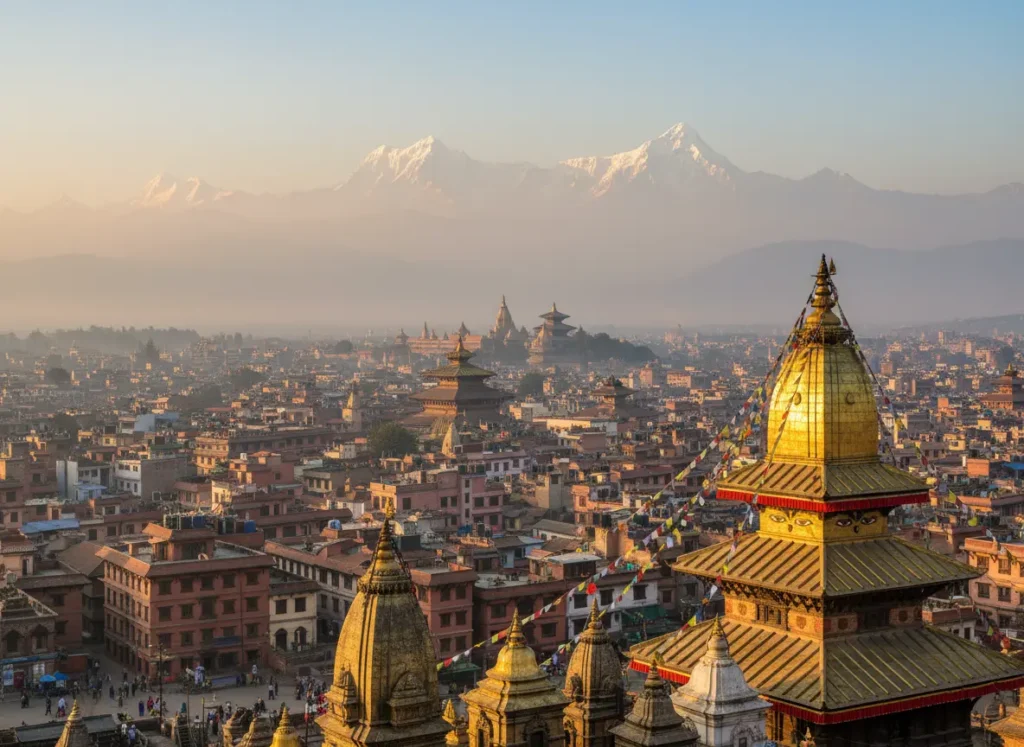
Nepal runs on a rhythm that takes a few days to sync with. Things move slower here — buses leave when they’re full, not when the schedule says. Shopkeepers will invite you for tea before discussing prices. Strangers on trails will ask where you’re from, where you’re going, and whether you’ve eaten today, all within thirty seconds. The phrase “ke garne” — meaning roughly “what to do?” — captures the national philosophy: a cheerful, almost fatalistic acceptance that things will work out, even when they clearly shouldn’t.
The country is predominantly Hindu with deep Buddhist influences, and the two religions blend together in daily life in ways that would confuse a theologian but make perfect sense when you watch a family pray at both a Hindu shrine and a Buddhist stupa in the same morning.
Geographically, Nepal is stacked in three horizontal bands running east to west:
The monsoon season (June–September) dumps heavy rain across the country, making trails muddy and roads occasionally impassable. Dry seasons offer better trekking but vary by region.
Nepal is remarkably safe for travelers. Violent crime against tourists is extremely rare. The main risks are practical: altitude sickness on treks, road accidents on mountain highways, and the occasional political strike (bandh) that can shut down transportation for a day.
Do you need travel insurance? Absolutely, without question. This is non-negotiable. If you’re trekking and develop serious altitude sickness, you may need a helicopter evacuation, which costs $3,000–$5,000 USD out of pocket. Standard travel insurance often excludes high-altitude trekking, so you need a policy that specifically covers activities above 4,000 meters.
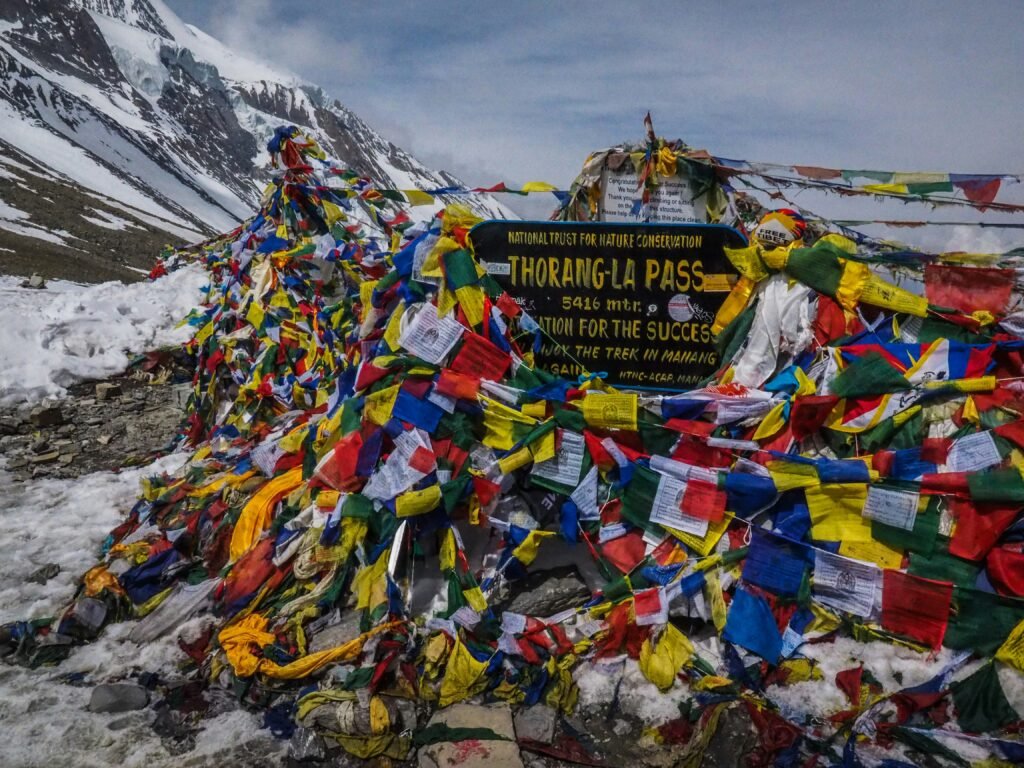
WorldNomads offers plans with high-altitude trekking coverage, and SafetyWing provides affordable monthly plans popular with long-term travelers. Check the altitude limits on any policy before you buy — some cap coverage at 4,500 meters, which isn’t high enough for Everest Base Camp (5,364m) or the Annapurna Circuit’s Thorong La Pass (5,416m).
Nepal offers visa on arrival for most nationalities at Tribhuvan International Airport in Kathmandu. As of 2024:
Bring a passport photo and cash in USD (or other major currencies) to speed up the process. You can also apply online before arrival through Nepal’s Department of Immigration website, which saves time in the queue. Indian nationals do not need a visa.
TIMS cards and trekking permits are separate requirements for most trekking regions and are obtained in Kathmandu or Pokhara — more on this in the trekking section below.
Wi-Fi is available in most hotels and guesthouses in Kathmandu, Pokhara, and along major trekking routes — but don’t expect reliability or speed. Teahouses on popular treks usually offer Wi-Fi for NPR 200–500 ($1.50–$3.75) per day per device, and it often barely loads a text message.
A better bet: pick up a local SIM card from Ncell or Nepal Telecom at the airport or in Thamel (Kathmandu’s tourist district). An Ncell tourist SIM with a data package costs about NPR 500–1,000 ($3.75–$7.50) and gives you reasonable 4G coverage in cities and towns. Coverage gets spotty above 3,500 meters but exists in surprising places along major trekking corridors.
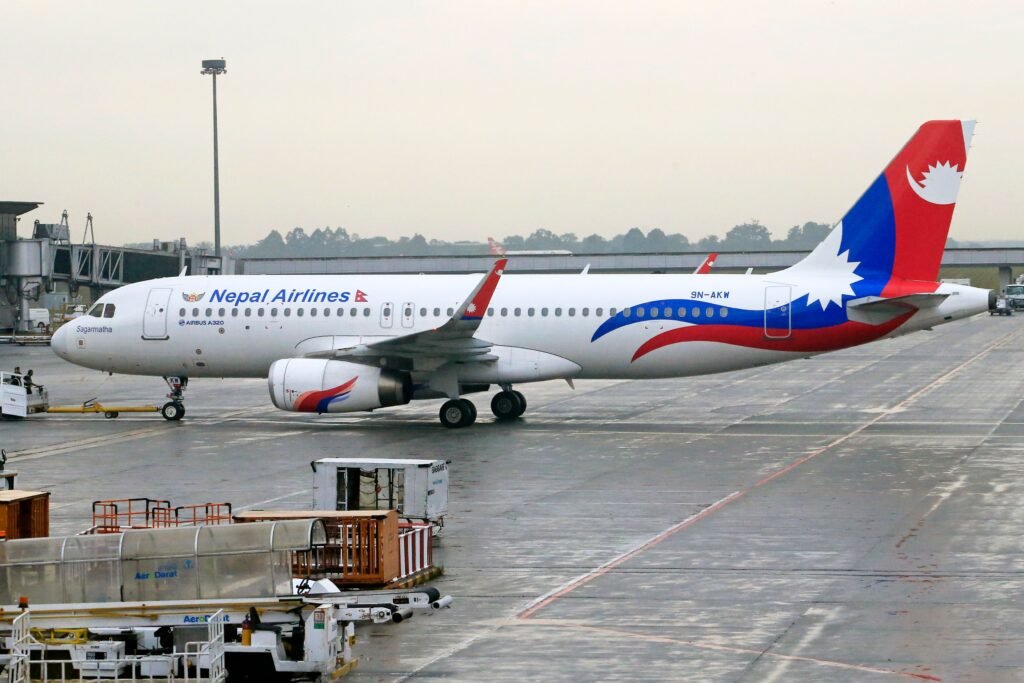
Tribhuvan International Airport (KTM) in Kathmandu is Nepal’s primary international gateway. The only other international airport, Gautam Buddha Airport (BWA) in Bhairahawa near Lumbini, has limited connections.
There are no direct flights from North America or Europe to Nepal. Common layover cities include:
Round-trip flights from the US typically range $700–$1,200 depending on season and how early you book. From Europe, expect $500–$900. Use Expedia or Kiwi.com to compare fares and set price alerts. Booking 2–3 months in advance for peak season (October–November) flights is wise — Kathmandu-bound seats fill up fast during trekking season.
Domestic flights are essential for reaching remote areas quickly. Yeti Airlines, Buddha Air, and Tara Air operate flights to Lukla (Everest region gateway), Pokhara, Bharatpur (for Chitwan), and others. The Kathmandu-to-Lukla flight is famously short (25 minutes), famously scenic, and famously subject to weather cancellations — always build buffer days into your itinerary around Lukla flights.
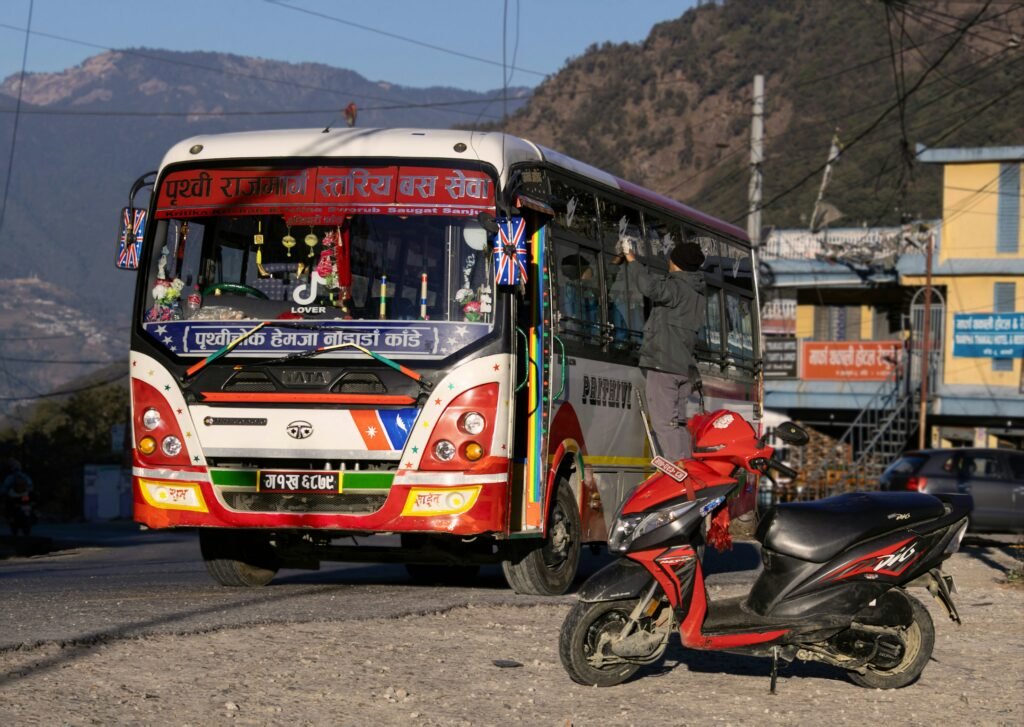
Tourist buses run daily between Kathmandu and Pokhara (6–7 hours, $8–$12) and are the most popular overland option. Companies like Greenline and Mountain Overland offer more comfortable “deluxe” services for a few dollars more. Local buses are far cheaper ($3–$5 for the same route) but significantly less comfortable and slower.
There are no trains in Nepal worth mentioning for tourists. Rental cars are uncommon and honestly not recommended — the roads are challenging, signage is minimal, and driving culture is… assertive. If you need private transport, hiring a car with a driver is standard and affordable at $50–$80 per day including fuel for most routes. Your hotel can arrange this.
Ride-hailing apps: inDrive and Pathao work in Kathmandu and Pokhara. They’re useful for avoiding the occasional overcharging by taxi drivers. A cross-city ride in Kathmandu rarely exceeds NPR 500–800 ($3.75–$6) on these apps.
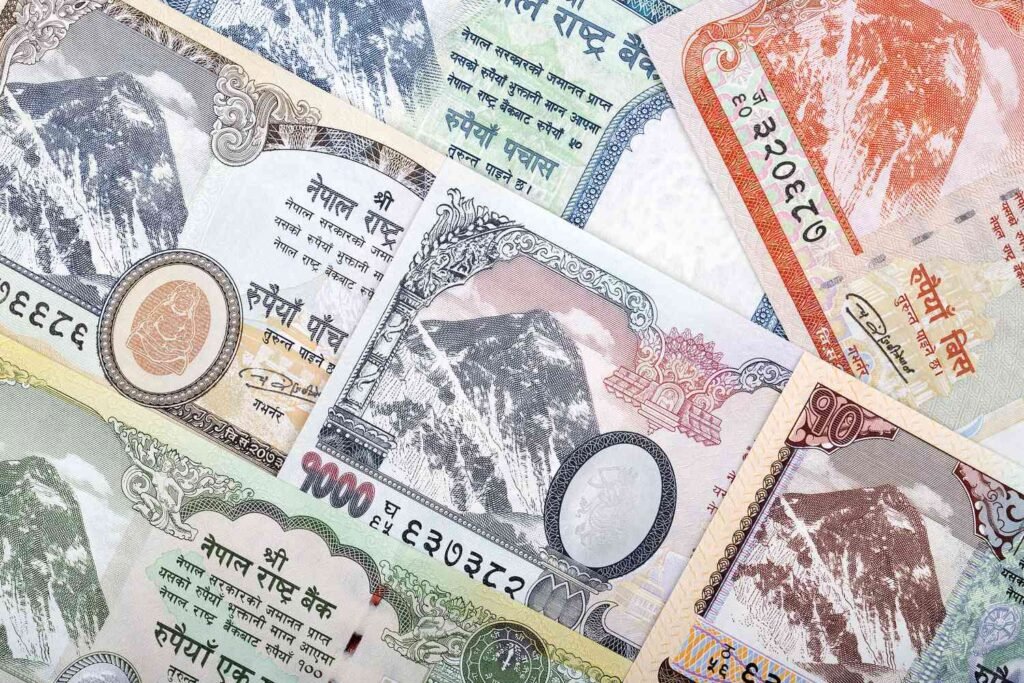
Nepal is one of the best-value travel destinations in Asia, though trekking permits and national park fees can add up. Here’s what to realistically expect:
The crown jewel of Nepal’s trekking routes and one of the greatest walks on Earth. The full circuit takes you through rice paddies, deep gorges, Tibetan-influenced villages, and over the 5,416-meter Thorong La Pass before descending into the arid rain shadow of Mustang. You sleep in teahouses each night — simple lodges with a bed, blankets, and a dining hall serving dal bhat and hot drinks.
Logistics: Obtain an Annapurna Conservation Area Permit (ACAP) and TIMS card in Kathmandu or Pokhara (total cost around $40–$50). The trek starts from Besisahar and ends in Jomsom or Pokhara. No guide required, though first-time trekkers benefit enormously from one. Book through GetYourGuide or Klook.com for vetted guided options that include permits and logistics.
Cost on the trail: budget $15–$25/day for food and accommodation in teahouses.
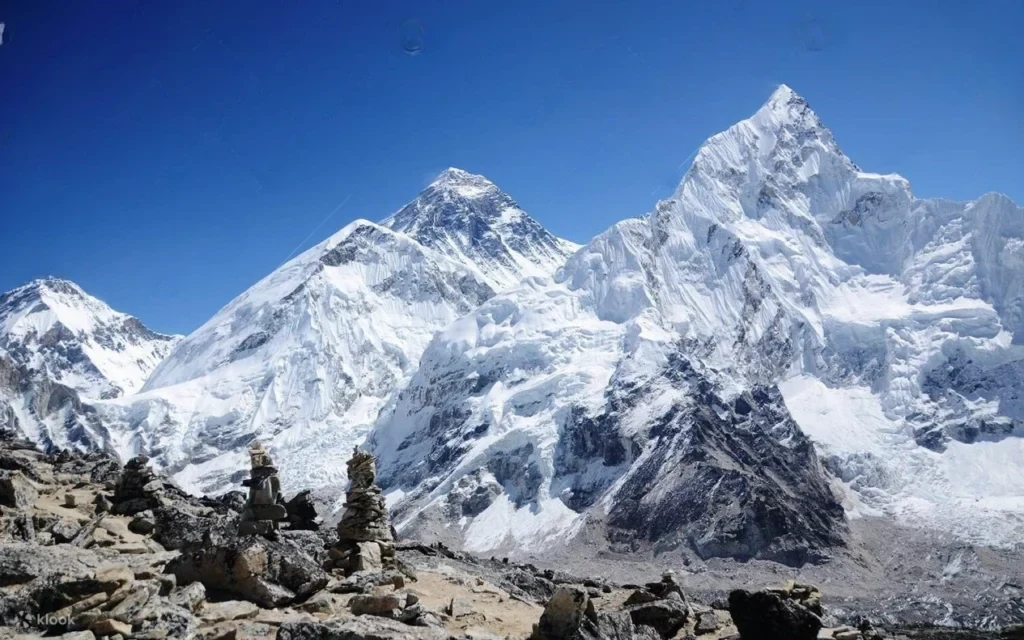
The most iconic trek in Nepal, and it delivers. The journey from Lukla to Everest Base Camp (5,364m) follows the Dudh Koshi river valley through Sherpa villages, past ancient monasteries, and into a landscape of ice and rock that doesn’t look like it belongs on this planet. The highlight for many isn’t Base Camp itself but the sunrise from Kala Patthar (5,545m), where Everest fills your entire field of vision.
Logistics: Fly to Lukla from Kathmandu ($180–$350 round trip, book in advance — these sell out). You need a Sagarmatha National Park permit ($30) and TIMS card. Guided treks booked through reputable agencies in Thamel run $1,200–$2,000 all-inclusive.
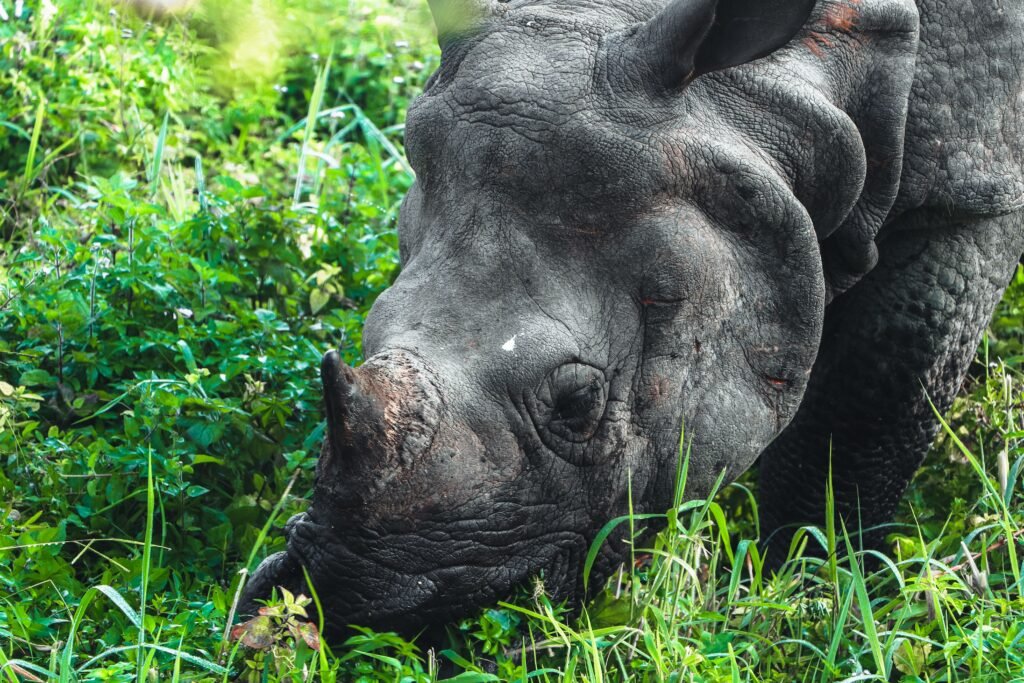
A completely different Nepal. In the subtropical Terai lowlands, Chitwan is home to one-horned rhinoceros, Bengal tigers, gharial crocodiles, and over 500 bird species. Jeep safaris, canoe rides, and guided jungle walks give you excellent chances of spotting rhinos (almost guaranteed) and sloth bears (less guaranteed but thrilling).
Logistics: Tourist bus from Kathmandu or Pokhara to Sauraha (5–6 hours, $8–$12). National park entry is NPR 2,000 ($15) per day. Budget lodges start at $10/night; mid-range jungle resorts run $40–$80/night and include safari packages.
Seven UNESCO World Heritage Sites cluster within the valley: Boudhanath Stupa (one of the largest stupas in the world, with monks circumambulating its white dome), Swayambhunath (the Monkey Temple) on a hilltop overlooking the city, Pashupatinath Temple (where Hindu cremation ceremonies take place on the banks of the Bagmati River), and the medieval Durbar Squares of Kathmandu, Patan, and Bhaktapur.
These aren’t dusty museum pieces — they’re living, active religious sites where incense smoke and temple bells are constant companions. Bhaktapur in particular, a 45-minute drive from Kathmandu, feels like stepping into a medieval city that never quite entered the modern era.
Entry fees: Bhaktapur Durbar Square NPR 1,500 ($11) for foreigners; Boudhanath NPR 400 ($3); Pashupatinath NPR 1,000 ($7.50).
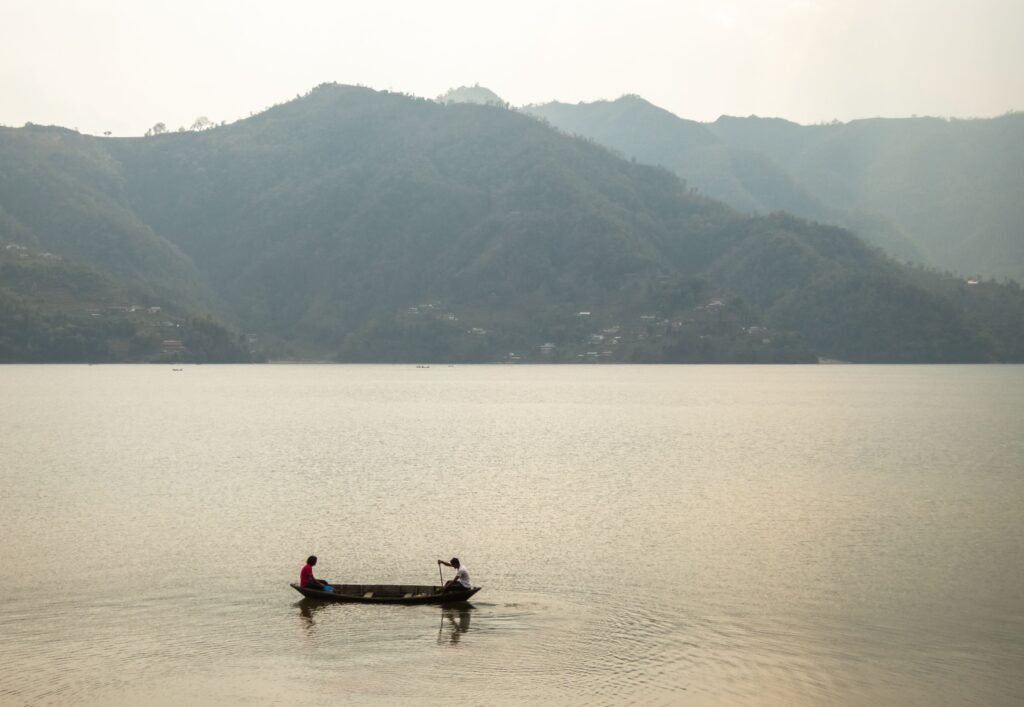
Pokhara sits beside Phewa Lake with the entire Annapurna massif visible across the water. Tandem paragliding from Sarangkot launches you at 1,500 meters above the lakefront, and on clear days, you’re soaring with Himalayan griffon vultures while staring at Machhapuchhre (Fish Tail Mountain) and Annapurna II. It’s one of the most visually spectacular paragliding locations in the world.
Cost: $70–$100 for a 30-minute tandem flight with photos and video.
The peak season, and for good reason. Skies are clear after the monsoon, temperatures are comfortable at all elevations, and mountain visibility is at its absolute best. This is prime time for trekking — the Annapurna Circuit, Everest Base Camp, Langtang, and all major routes are in ideal condition.
Downside: Trails and teahouses are crowded. Popular routes feel busy. Prices are at their highest. Book domestic flights and accommodation well in advance.
The second-best trekking window and arguably more beautiful than autumn at lower elevations, when rhododendron forests explode in red, pink, and white blooms across the hillsides. Temperatures warm steadily, and skies are generally clear through April before pre-monsoon haze builds in May.
Downside: Increasingly hazy as May approaches, especially at lower altitudes. Hotter in the Terai and Kathmandu Valley.
Heavy rainfall across most of the country. Trails are muddy and leeches are plentiful. Landslides can close roads. Domestic flights face frequent cancellations.
Upside: Lush green landscapes, very few tourists, significantly lower prices, and the rain shadow regions of Upper Mustang and Dolpo are actually at their best during monsoon — they receive minimal rainfall due to geography.
Lower elevations are lovely. Kathmandu Valley, Pokhara, and the Terai are pleasant with cool, dry weather. Chitwan safaris are excellent (lower grass makes wildlife easier to spot). Mountain views on clear winter mornings can be spectacular.
Downside: High-altitude trekking is limited. Passes above 4,500 meters are often snowbound. Teahouses on high routes close. Nights in Kathmandu drop near 0°C, and most budget accommodation lacks heating.
My recommendation: If you can only go once, go in October or early November. If you hate crowds and don’t mind slightly hazier skies, late March through mid-April is a wonderful sweet spot.
Unequivocally yes. Nepal offers an almost absurd ratio of experience to money spent. Where else can you trek through the highest mountains on Earth for $20 a day, eat hearty meals for under $4, and encounter a culture that has somehow remained generous and warm despite decades of political upheaval and a devastating earthquake in 2015?
It’s not a polished destination. The infrastructure is rough, the roads can be harrowing, the power goes out, the Wi-Fi gives up, and your bus will definitely be late. But these are features, not bugs. Nepal rewards travelers who roll with uncertainty and stay open to whatever comes next.
Nepal doesn’t just show you mountains. It recalibrates your sense of scale — about landscape, about what you need to be comfortable, about what constitutes a rich life. You’ll come home with fewer possessions in your pack than you left with (you’ll donate or lose at least one item, guaranteed), but with something bigger and harder to name filling the space where your certainty used to be.
Go. Walk slowly. Eat the dal bhat. Say yes to the tea.
Planning your Nepal trip? Start by comparing flights on Expedia.com or Kiwi.com, book accommodation through Expedia.com or HostelWorld, and secure travel insurance with high-altitude coverage through WorldNomads or SafetyWing. For guided treks and activities, browse vetted options on GetYourGuide and Klook.com