

$ 0.00
0
Japan occupies a unique position in the travel world, it’s simultaneously one of the most technologically advanced nations on Earth and a place where centuries-old traditions continue without interruption. This fascinating dichotomy creates a destination unlike anywhere else: where bullet trains whisk you between ancient temples, where vending machines dispense hot ramen at 3 AM next to serene gardens that haven’t changed in 400 years, and where hypermodern Tokyo exists just hours from rural villages that seem frozen in time.
After two trips to Japan—one focused on the classic “Golden Route” and another diving deeper into regional Japan—I’ve learned that this country rewards both meticulous planning and spontaneous wandering. It’s expensive but manageable with smart strategies, incredibly safe yet culturally complex, and accessible even if you speak zero Japanese (though learning a few phrases opens doors).
This guide cuts through the overwhelm of planning a Japan trip with practical, tested advice on flights, budgets, logistics, and the experiences that actually matter.
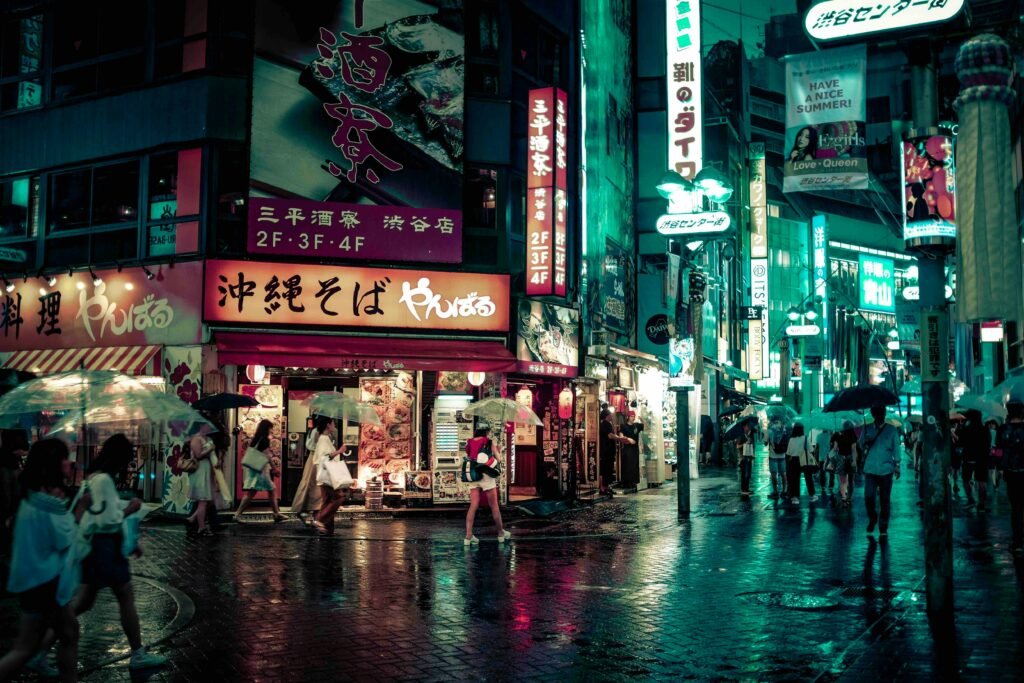
The Vibe
The overall atmosphere in Japan balances formality with incredible hospitality. Service standards exceed anywhere I’ve traveled—staff bow when greeting you, train conductors salute empty carriages, and convenience store clerks carefully arrange your purchases. Yet there’s also a reserved social culture where loud conversations are frowned upon (especially on public transport) and direct eye contact can feel intense.
Geography & Climate
Japan stretches 1,900 miles from subtropical Okinawa to snowy Hokkaido, creating wildly different regional experiences. Most first-timers stick to Honshu (the main island), exploring the Tokyo-Kyoto-Osaka corridor. The country is 73% mountainous, which creates stunning scenery but also concentrates cities along coasts and valleys.
Climate varies dramatically by region and season. Tokyo experiences humid summers (80-95°F/27-35°C) and mild winters (35-50°F/2-10°C), while Hokkaido gets serious snowfall. The rainy season (tsuyu) hits June-July in most areas, bringing persistent drizzle rather than dramatic downpours.
Safety & Travel Insurance
Japan consistently ranks as one of the world’s safest countries. Violent crime against tourists is virtually nonexistent, and petty theft is rare enough that locals leave belongings unattended. I’ve watched people reserve seats at busy cafes with their phones and wallets while ordering.
However, travel insurance remains essential—not for crime, but for medical emergencies and natural disasters. Japan experiences earthquakes regularly (most barely noticeable), occasional typhoons (August-October), and volcanic activity. Medical care is excellent but extremely expensive for foreigners without insurance. A simple hospital visit can cost $300-500, while emergency evacuation could run tens of thousands.
I recommend SafetyWing for longer trips (covers 5+ day increments) or WorldNomads for shorter visits with adventure activities. If you’re charging flights to premium credit cards, check existing coverage—many include travel medical insurance and trip delay protection.
Visa Requirements
Citizens from 68 countries (including US, Canada, UK, Australia, EU nations) receive visa-free entry for tourism for 15-90 days depending on nationality. Americans get 90 days automatically—no pre-application needed.
Upon arrival, you’ll complete:
Immigration at major airports moves efficiently despite thoroughness. Budget 30-60 minutes for the process at Narita/Haneda.
Connectivity
Wi-Fi is ubiquitous in hotels, cafes, and train stations, but public Wi-Fi requires caution (avoid banking on unsecured networks). Most accommodations provide excellent internet speeds.
For reliable mobile coverage, rent a pocket Wi-Fi device or buy a SIM card at the airport. I’ve used both:
Order online before departure and pick up at airport counters (Narita, Haneda, Kansai). Cellular coverage is excellent even in rural areas.
Getting There
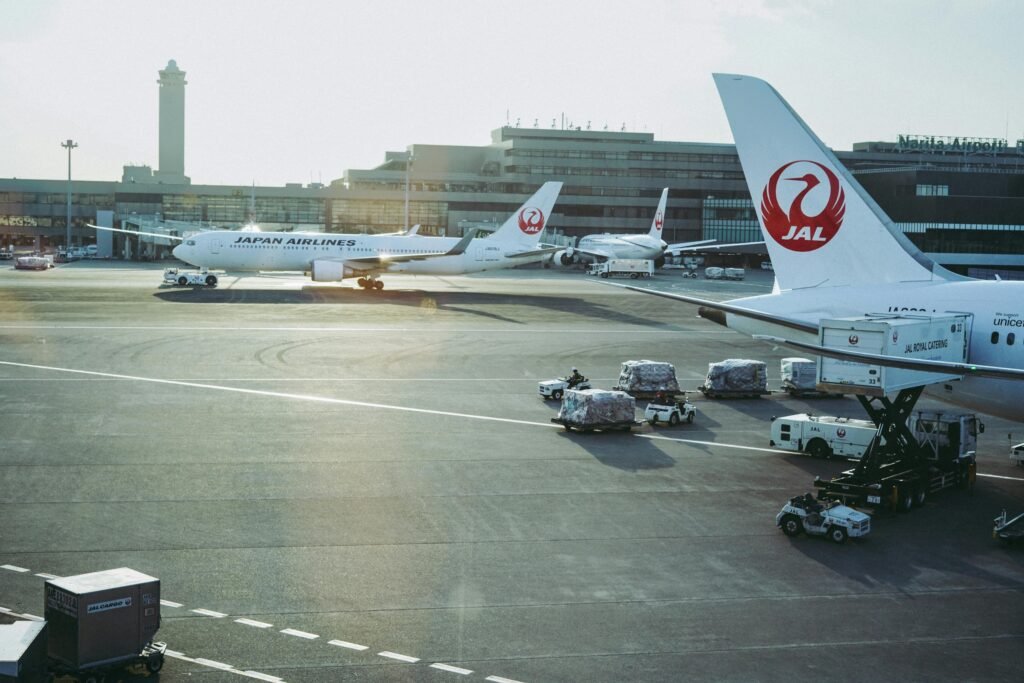
Tokyo has two international airports:
Other major gateways:
From North America, direct flights depart from major hubs:
From Europe: 11-13 hours direct from London, Paris, Frankfurt on British Airways, Air France, Lufthansa, ANA, JAL
Budget carriers like Zipair (JAL subsidiary), AirAsia X, and Scoot offer significantly cheaper fares with fewer amenities—worth considering for daytime flights.
Use Expedia or Kiwi.com to compare prices. Book 2-4 months ahead for best rates. Tuesday/Wednesday departures typically cost 10-20% less than weekends.
Loyalty programs: If you fly frequently, ANA Mileage Club and JAL Mileage Bank offer excellent redemption value for Asia routes. Both partner with major US/European carriers.
Getting Around Japan
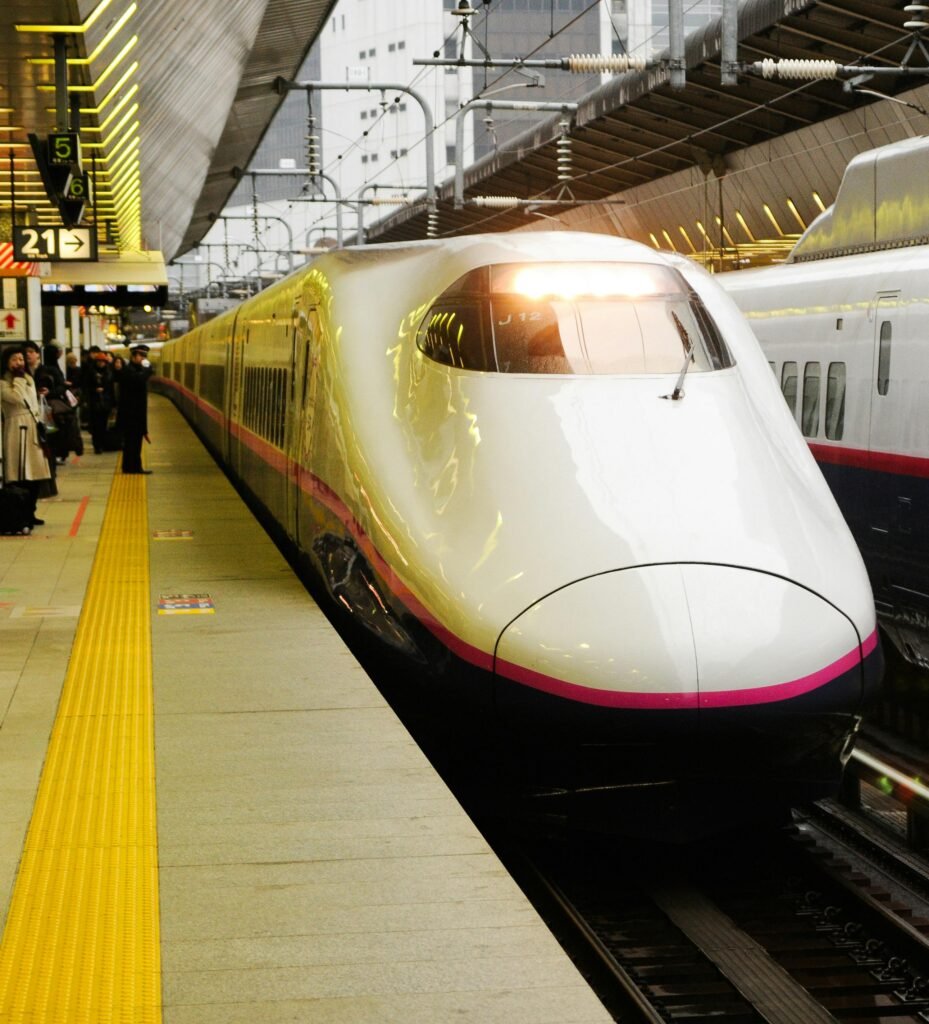
Japan’s transportation infrastructure is famously efficient—trains run on 15-second precision, buses display real-time arrival countdowns, and even rural areas maintain reliable schedules.
Japan Rail (JR) operates the shinkansen (bullet train) network, the iconic way to cover long distances:
This tourist-only pass offers unlimited JR trains nationwide for 7, 14, or 21 days JR Pass official vendors like Klook
Worth it if you’re making a Tokyo-Kyoto round trip plus additional long-distance travel. Not worth it for Tokyo-only stays or slow travel with minimal intercity movement.
Regional passes (JR East, JR West, JR Kyushu) cost less if you’re focusing on one area.
City subways aren’t covered by the JR Pass. Buy IC cards (Suica or Pasmo)—rechargeable tap cards that work on all trains, buses, and even convenience stores. Load ¥2,000-5,000 to start.
I don’t recommend cars for first-time visitors sticking to major cities—parking costs ¥2,000-4,000/day, navigation is challenging, and trains are faster.
However, cars unlock rural Japan: the Japanese Alps, Hokkaido’s national parks, or Kyushu’s countryside. You’ll need an International Driving Permit (get from AAA in US, $20) plus your home license.
Rentals cost ¥5,000-8,000/day ($33-53) for compact cars through Toyota Rent-a-Car, Nippon Rent-a-Car, or international chains like Budget Japan or Hertz Japan. Book via RentalCars.com to compare rates.
Important: Japan drives on the left; highway tolls add up quickly (Tokyo to Kyoto costs ¥10,000/$67 in tolls alone).
Highway buses offer budget alternatives to shinkansen:
Ride-hailing: Uber operates in major cities but only partners with licensed taxis (similar cost to street taxis). Download Japan Taxi or GO apps for easier hailing with English interfaces. Taxis are expensive (¥730 base fare, rising quickly) but spotlessly clean and safe.
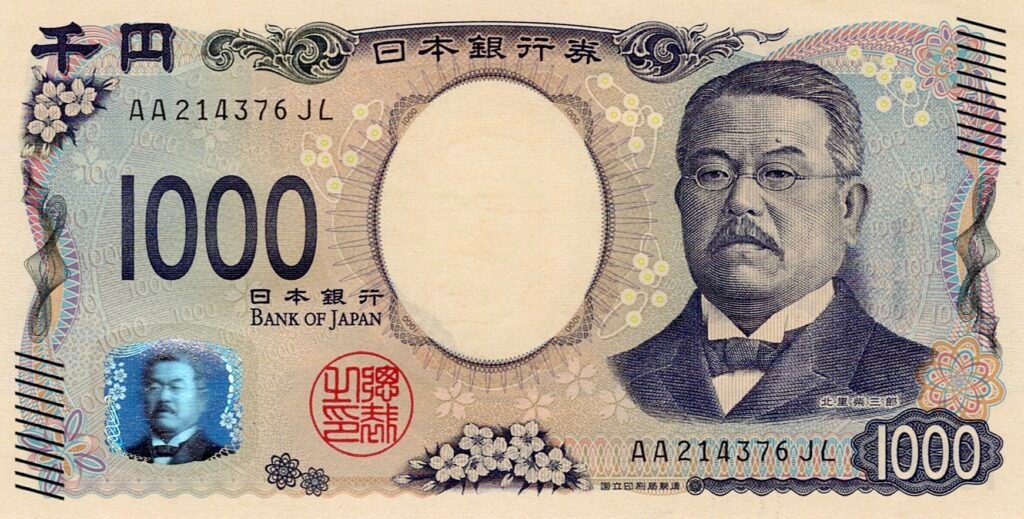
Japan’s reputation for being expensive is… partly deserved. It’s pricier than Southeast Asia but comparable to Western Europe, and strategic choices dramatically impact spending.
Accommodation: ¥2,500-4,000/night ($17-27)
Food: ¥2,000-3,000/day ($13-20)
Transport: ¥1,000-2,000/day ($7-13)
Activities: ¥1,000-2,000/day ($7-13)
Accommodation: ¥8,000-15,000/night ($53-100)
Food: ¥5,000-8,000/day ($33-53)
Transport: Covered by JR Pass or ¥2,000-3,000/day
Activities: ¥3,000-6,000/day ($20-40)
Accommodation: ¥30,000+ ($200+)
Food: ¥15,000+/day ($100+)
Transport: Private cars, first-class shinkansen seats, domestic flights
Activities: Private guides (¥40,000-60,000/day), premium experiences
Money-Saving Strategies
Japan offers completely different experiences depending on whether you’re in ultramodern Tokyo, temple-filled Kyoto, or rural Hokkaido. Here’s what actually matters:
Major Highlights: The Signature Experiences
Tokyo isn’t one city—it’s dozens of distinct neighborhoods, each with unique character:
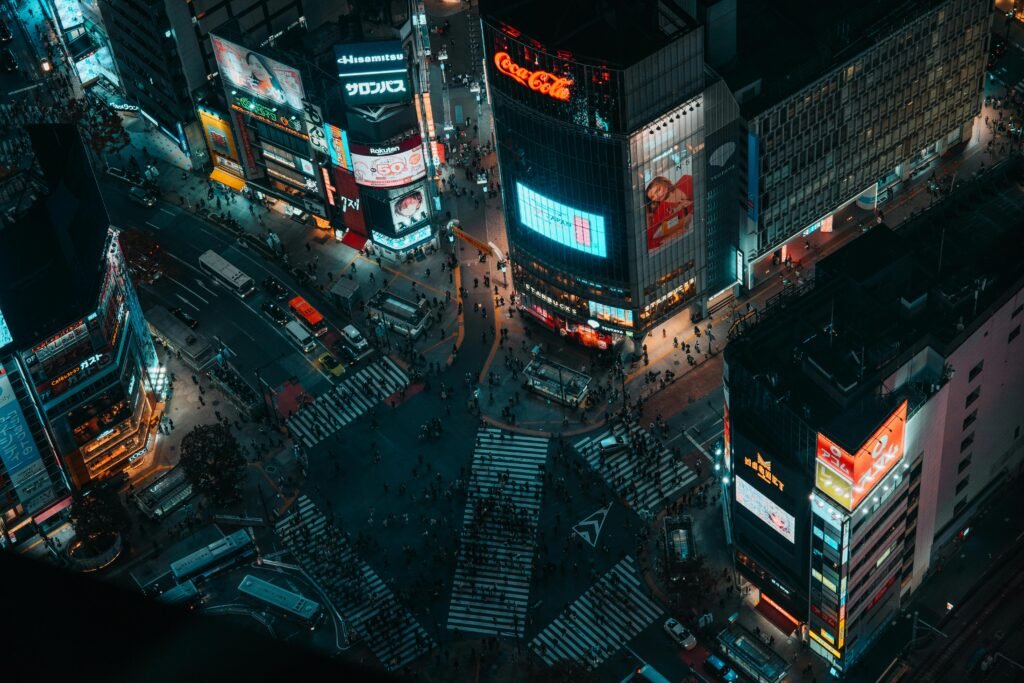
Shibuya & Harajuku: The Tokyo of imagination—Shibuya Crossing (world’s busiest intersection), neon-soaked streets, youth fashion culture. Visit late afternoon to see the crossing at sunset, then explore Harajuku’s Takeshita Street for crepes and eccentric fashion, ending at Meiji Shrine—a peaceful forest sanctuary steps from the chaos.
Asakusa: Old Tokyo’s heart, dominated by Senso-ji Temple (Tokyo’s oldest, founded 628 AD). Arrive early (6-7 AM) before crowds, explore Nakamise shopping street, then rent a kimono nearby (¥3,000-5,000 for 4 hours) Klook for kimono rental experiences. The contrast of ancient temple with Tokyo Skytree in the background epitomizes Japan’s old-meets-new identity.
Tsukiji Outer Market & Toyosu: The famous tuna auction moved to Toyosu, but Tsukiji’s outer market remains incredible for breakfast sushi and street food. Go hungry around 8-9 AM—expect fresh uni (sea urchin), fatty tuna, tamagoyaki (sweet egg omelet).
Akihabara: Electronics and anime culture concentrated in overwhelming density. Even non-gamers appreciate the spectacle—arcades with vintage games, maid cafes, multi-story electronics megastores.
Cost-saving tip: Many major museums offer free admission days monthly—check individual websites.
Kyoto contains 17 UNESCO World Heritage sites and over 2,000 temples and shrines. Highlights that justify the hype:
Fushimi Inari Shrine: Ten thousand orange torii gates winding up Mt. Inari. Tourists photograph the lower gates; hike 30-45 minutes upward for solitude and mountain views. Free admission, open 24 hours (mystical at dawn or dusk).
Arashiyama Bamboo Grove: Yes, it’s touristy. Yes, it’s still worth it—preferably before 8 AM when you might have towering bamboo corridors to yourself. Combine with Tenryu-ji Temple’s garden (¥500) and the Monkey Park Iwatayama (¥550, 15-minute uphill walk to see Japanese macaques with Kyoto city views).
Kinkaku-ji (Golden Pavilion): Covered in gold leaf, reflected in mirror-like pond—the iconic Kyoto image. Arrive when it opens (9 AM) or late afternoon. Entrance ¥500.
Gion District: Kyoto’s geisha district. Wander Hanami-koji Street at dusk when teahouses glow and you might spot geiko (Kyoto’s term for geisha) hurrying to appointments. Book a GetYourGuide tea ceremony in traditional machiya house (¥4,000-6,000) for cultural context.
Philosopher’s Path: 1.2-mile canal walk connecting temples—stunning during cherry blossom season, pleasant year-round with small cafes and shops.
Osaka’s unofficial motto is “kuidaore” (eat until you drop). The city has grittier energy than Tokyo, more relaxed vibes than Kyoto:
Dotonbori: Neon-lit canal district, food stall heaven. Essential foods: takoyaki (octopus balls), okonomiyaki (savory pancake), kushikatsu (deep-fried skewers). Wander, point at plastic food displays, eat standing up.
Kuromon Ichiba Market: Covered market with fresh seafood stalls grilling scallops, oysters, wagyu skewers. Come with empty stomach and ¥3,000-5,000 budget.
Hiroshima Peace Memorial Park and Museum: Sobering, essential experience. The museum presents atomic bombing history through personal stories and artifacts—emotionally heavy but important. Free park admission; museum ¥200.
Miyajima Island: 30-minute ferry from Hiroshima (¥360 round trip, covered by JR Pass). The floating torii gate of Itsukushima Shrine (¥300) appears to hover at high tide, sits on sand at low tide (both worth seeing). Stay for sunset when crowds thin. Wild deer roam freely (don’t feed them—they’re aggressive).
Budget 6-8 hours for the combined Hiroshima-Miyajima day trip from Osaka/Kyoto.
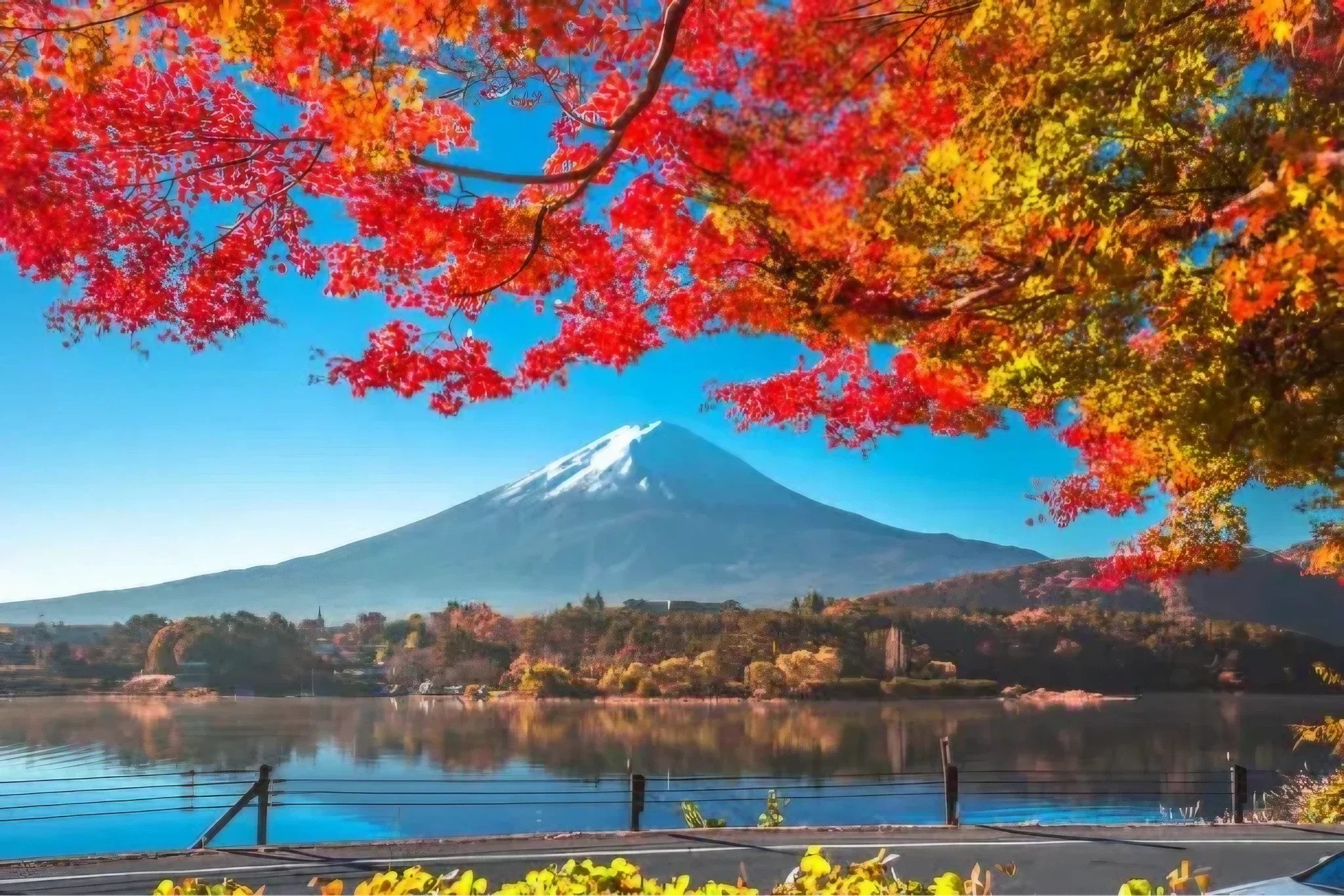
Japan’s iconic mountain is visible from Tokyo on clear days, but closer views require a trip to Hakone or the Five Lakes region:
Hakone: Loop route combining train, cable car, ropeway, and pirate ship across Lake Ashi—touristy but genuinely scenic. Hakone Free Pass (¥6,100 from Tokyo) [INSERT LINK HERE: Klook for discounted passes] covers all transport. Includes onsen (hot spring) access—try Tenzan Tohji-kyo (¥1,300) for outdoor baths with mountain views.
Best views: Early morning before clouds form (Mt. Fuji hides behind clouds 50% of days).
Small/Fun Activities: Lesser-Known Gems
Teamlab Borderless/Planets (Tokyo): Digital art installations where you walk through immersive light projections. Tickets ¥3,200-4,200, booking weeks ahead is recommended.
Nishiki Market (Kyoto): Narrow covered market selling Kyoto specialties—pickles, mochi, fresh tofu, matcha everything. Free to wander, budget ¥1,000-2,000 for tastings.
Cup Noodles Museum (Osaka/Yokohama): Surprisingly fun—design your custom instant ramen flavor and packaging. Entrance ¥500.
Onsen (hot spring bathing): Communal naked bathing seems intimidating but follows simple rules: wash thoroughly at stations before entering baths, small towel for modesty while walking (doesn’t enter water), no swimsuits. Tattoos traditionally prohibited (associated with yakuza), though some onsen now allow small tattoos or provide cover-up patches. Check individual facility policies.
Top accessible onsen: Oedo Onsen Monogatari (Tokyo), Kurama Onsen (near Kyoto), or any ryokan stay.
Capsule hotels: Even if staying elsewhere, try one night for the experience. 9 Hours chain offers sleek design; First Cabin has airplane-style “first class” capsules.
Pokemon/Nintendo/Studio Ghibli: Reserve months ahead for Ghibli Museum (¥1,000, lottery system). Nintendo Museum in Kyoto requires advance lottery entry. Pokemon Center Mega Tokyo needs no reservation—fun even for non-fans.
Tea ceremony: Beyond tourist shows, seek intimate settings. For small-group tea ceremonies in Kyoto machiya houses (¥4,000-8,000) teach preparation while explaining Zen philosophy.
Sumo tournament: If visiting during tournament seasons (January, May, September in Tokyo; March in Osaka; July in Nagoya; November in Fukuoka), buy tickets early. Upper seats (¥4,000-6,000) offer better views than ringside. Morning practice sessions at stables are free but require proper etiquette research.
Cooking classes: Learn to make ramen, sushi, or home-style Japanese cooking (¥8,000-15,000) include market visits and meals.
Karaoke: Not a performance—private rooms for friends. Big Echo and Karaoke-kan chains offer all-you-can-drink plans (¥2,000-3,000 for 2-3 hours). English song selections extensive.
Japan has four distinct seasons, each offering completely different experiences:
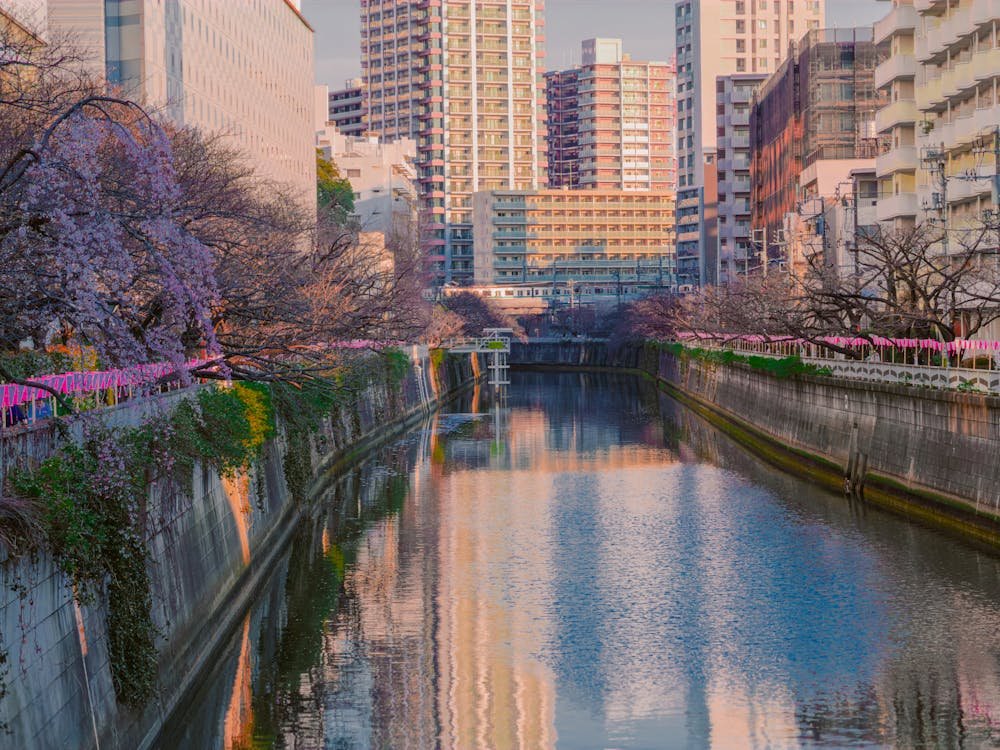
Best for: Cherry blossoms (late March-early April), pleasant temperatures, festivals
Pros:
Cons:
Timing: Late March-early April for Tokyo/Kyoto cherry blossoms; May for northern Japan (Tohoku, Hokkaido)
Best for: Festivals, mountains/highlands, Hokkaido
Pros:
Cons:
Strategy: If visiting summer, focus on Hokkaido, Japanese Alps, or accept heat and embrace festival culture.
Best for: Autumn foliage, comfortable weather, fewer crowds
Pros:
Cons:
My personal favorite: Early-mid November combines pleasant weather, beautiful scenery, manageable crowds.
Best for: Snow sports, winter illuminations, onsen, budget travel
Pros:
Cons:
Ideal for: Skiers heading to Hokkaido/Nagano, onsen enthusiasts, budget travelers avoiding crowds
First-time visitors: Late October-early November or late March-early April (if booking 6+ months ahead for accommodation). You’ll experience Japan’s signature seasonal beauty with best weather.
Budget-conscious: January-February or June-July (accept weather trade-offs for 30-40% savings).
Avoiding crowds: January-February, June, or early December.
After two trips totaling six weeks, I can say Japan delivers on its reputation while constantly surprising you. The country that invented conveyor belt sushi and karaoke also maintains 1,300-year-old wooden temples and hand-makes wagashi sweets using techniques passed through 15 generations. This isn’t manufactured “tradition for tourists”—it’s a living culture that has somehow maintained its identity while becoming aggressively modern.
Practically speaking, Japan is remarkably easy to visit despite the language barrier. Signage includes English in major cities, Google Maps navigation works flawlessly, and Japanese people genuinely want to help (expect bows and apologies if they can’t speak English). Train systems seem complex initially but become intuitive after a day or two.
Value-wise, you’re paying for world-class infrastructure, safety, cleanliness, and service standards that exceed anywhere else. A ¥900 ramen bowl gets you restaurant-quality food in 5 minutes. A ¥3,500 business hotel room is spotless with high-speed Wi-Fi and often includes breakfast. Public transportation runs on time measured in seconds rather than minutes.
The challenges are minor: navigating crowded trains during rush hour, deciphering restaurant menus (photos help), and occasionally struggling with cultural differences around tipping (don’t), shoes (remove them frequently), and noise (quieter is better).
Japan rewards those who dive in with open minds and modest expectations. You’ll return with stories about vending machines dispensing hot corn soup, random acts of kindness from strangers, and the realization that yes, toilets can be that advanced. More importantly, you’ll understand why so many travelers call Japan their favorite country—and start planning your return trip before the first one ends.