

$ 0.00
0
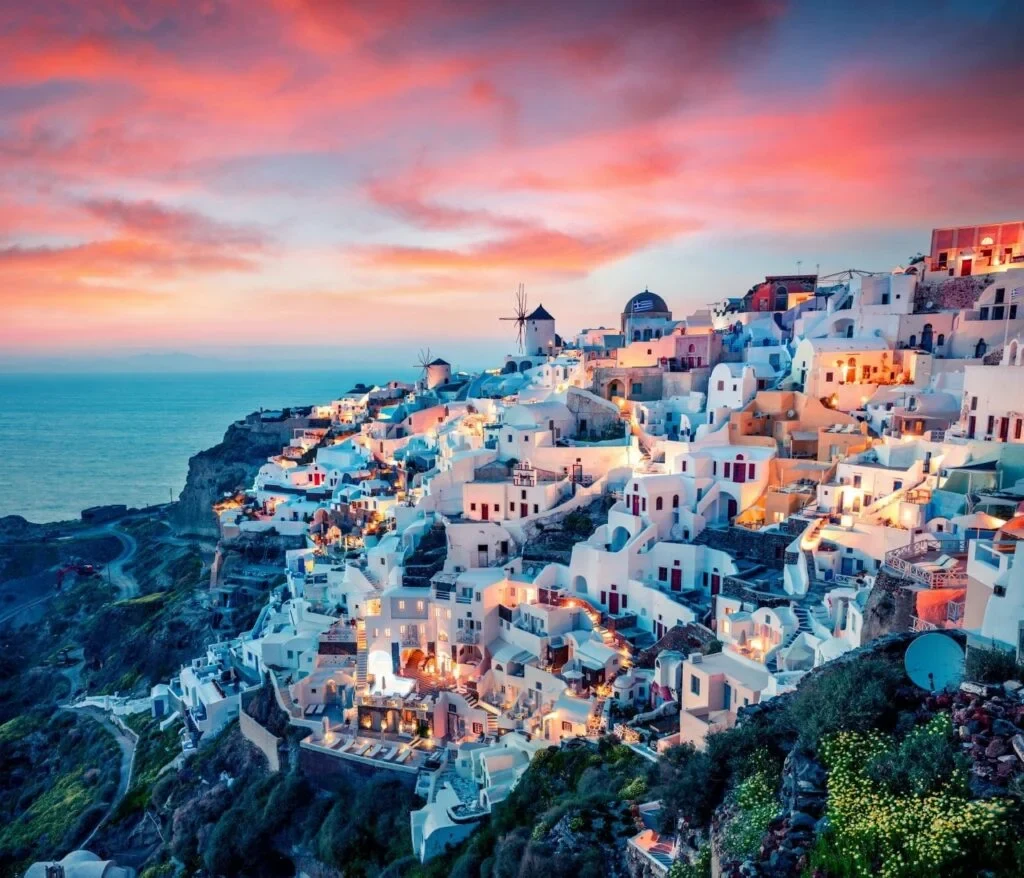
Greece delivers exactly what its Instagram reputation promises—and then some. Those impossibly blue-domed churches in Santorini? They’re real. The Acropolis towering over Athens? Even more impressive in person. The turquoise waters lapping at secluded beaches? Actually that color, no filter needed. But what surprised me most during my trip wasn’t the postcard-perfect scenery I’d anticipated—it was how affordable and accessible Greece remains compared to other Mediterranean destinations, how genuinely warm the locals are (especially when you attempt even basic Greek phrases), and how you can combine world-class ancient history with serious beach time without feeling like you’re compromising on either.
This guide covers everything I wish I’d known before booking my flight: the real costs, which islands deserve your limited time, how to navigate Greek ferries without losing your mind, and whether you actually need that overpriced hotel in Mykonos (spoiler: you don’t).
Greece occupies a unique sweet spot in European travel. It’s part ancient history museum, part beach paradise, part culinary destination—all wrapped up in a culture that genuinely values taking time to enjoy life. The pace is slower than Western Europe (sometimes frustratingly so if you’re used to German efficiency), but that’s part of the appeal.
Geography & Climate
Safety & Travel Insurance
Greece is overwhelmingly safe for travelers. Violent crime against tourists is rare, though pickpocketing in Athens (particularly around Monastiraki and on the Metro) requires the usual urban vigilance. The bigger risks are overzealous moped riding, too much sun, and questionable ferry schedules during off-season.
Do you need travel Insurance? Yes, and here’s why: Greece’s public healthcare is decent but understaffed, and private facilities expect upfront payment. More importantly, medical evacuation from remote islands can cost tens of thousands if you get seriously injured. I also saw someone miss a €500 non-refundable ferry connection because of a delayed flight—travel insurance covered the rebooking. WorldNomads offers flexible coverage that includes adventure activities, while SafetyWing works well for longer trips with monthly billing. Check if your credit card provides coverage before purchasing separately.
Visa Requirements
Connectivity
WiFi and cell coverage is widely available in hotels, cafes, and restaurants across all tourist areas, though speeds vary (don’t expect to upload 4K video from a Paros beach taverna). Cell coverage is excellent on major islands and mainland areas. I picked up a Vodafone Greece prepaid SIM at the Athens airport for €20 with 10GB data—worked perfectly across islands. EU travelers can use their regular plans under roaming agreements.
Getting There
Athens International Airport (ATH) handles the vast majority of international traffic and serves as the hub for domestic island-hopping. It’s modern, well-organized, and about 35 minutes from central Athens via the €10 metro or €38 taxi.
Thessaloniki (SKG) in northern Greece is the second international gateway, better positioned for exploring Macedonia and Mount Olympus, though with fewer connections.
Several islands have international airports receiving direct seasonal flights (mainly May-October): Santorini (JTR), Mykonos (JMK), Rhodes (RHO), Corfu (CFU), and Crete (Heraklion HER and Chania CHQ).
Airlines worth considering:
From North America, you’ll find direct flights from NYC (JFK), Newark, Philadelphia, Chicago, and Toronto on United, Delta, and American during summer; otherwise, you’ll connect through European hubs Expedia
Pro tip: Flying into Athens and out of a different island via a multi-city booking often costs barely more than a round-trip and saves you from backtracking. Kiwi.com specializes in creative routing options.
Getting Around Mexico
This is how you’ll spend significant time in Greece, and it’s simultaneously charming and logistically challenging.
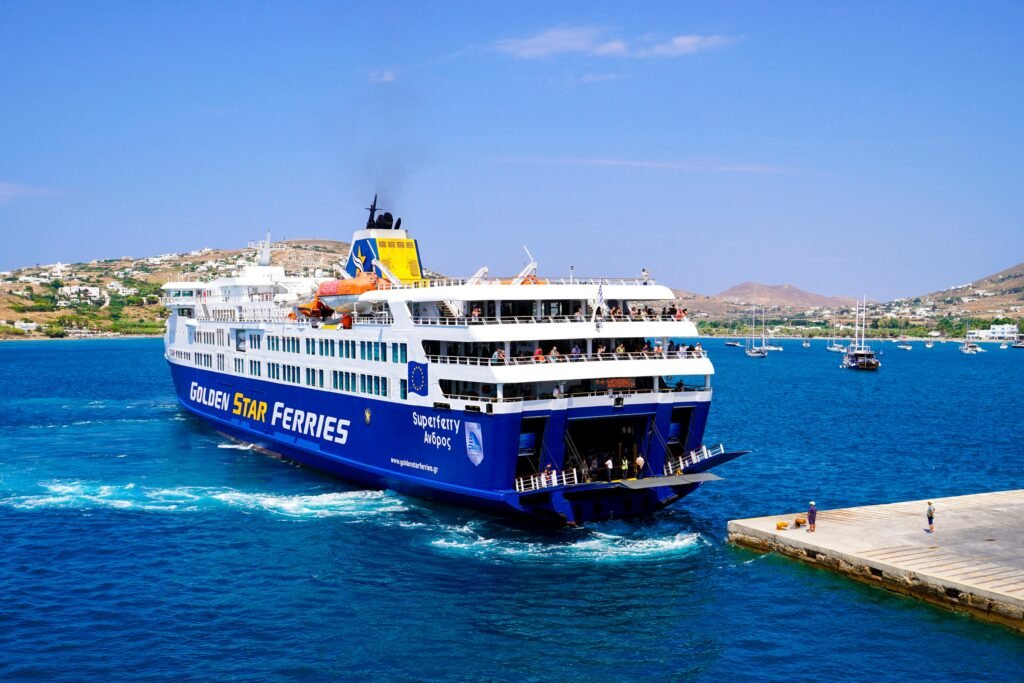
The ferry network connects Athens’ ports (Piraeus, Rafina, Lavrio) with the islands, plus inter-island routes. FerryHopper and Direct Ferries let you compare routes and prices. Book at least 2-3 days ahead in summer—tickets often sell out.
You’ve got two main ferry types: high-speed ferries (faster, pricier, more prone to cancellation in rough weather) versus slow ferries (cheaper, more scenic, more reliable). The slow ferry from Athens to Santorini takes 7-8 hours versus 5 hours on high-speed. I actually preferred the slow option for the deck time and views—there’s something meditative about watching islands drift by.
Real costs? Athens to Santorini runs €35-70 depending on speed and season; inter-island hops typically €15-45.
Reality check: Greek ferries run on “Greek time”. A 30-minute delay is normal; I experienced a 2-hour delay with zero explanation. Build buffer time before flights.
Aegean Airlines and Sky Express fly between Athens and major islands in 45-60 minutes for €40-90 if booked early. Worth it for longer distances (Athens to Crete, Rhodes) or if you’re tight on time. Ferry strikes occasionally happen—flights are backup insurance.
Essential for exploring Crete, Rhodes, Naxos, or the mainland properly; unnecessary expense on small islands like Santorini or Mykonos.
GetRentalCars aggregates local and international agencies, but Greek local companies like Autohellas and Abbycar often beat international chains on price. Expect to pay €25-50/day for a small car (manual transmission); automatics cost 30% more.
You’ll need a valid driver’s license from your country (International Driving Permit recommended but rarely checked), minimum age usually 21-23, and a credit card for deposit.
Greeks drive… creatively. Mountain roads are narrow and winding. Parking in island villages is chaotic. But the freedom to explore hidden beaches and mountain villages made it worthwhile.
For ride-hailing, Uber doesn’t operate in Greece. Beat (similar app) works in Athens and Thessaloniki. Elsewhere, you’re calling local taxis or booking through hotels.
Athens has an excellent, affordable metro system (€1.40 per ride, €4.50 day pass). Buy tickets at machines before boarding—enforcement is random but fines are €60.
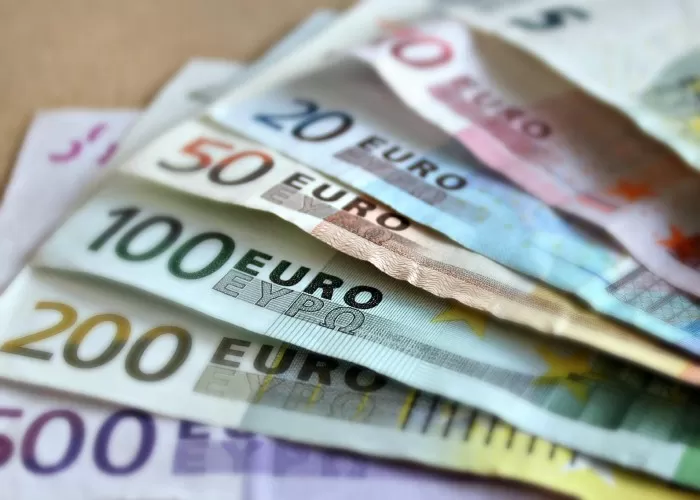
Greece remains one of Europe’s better values, though prices have crept up post-COVID, and Santorini/Mykonos exist in their own expensive universe.
Money-Saving Strategies
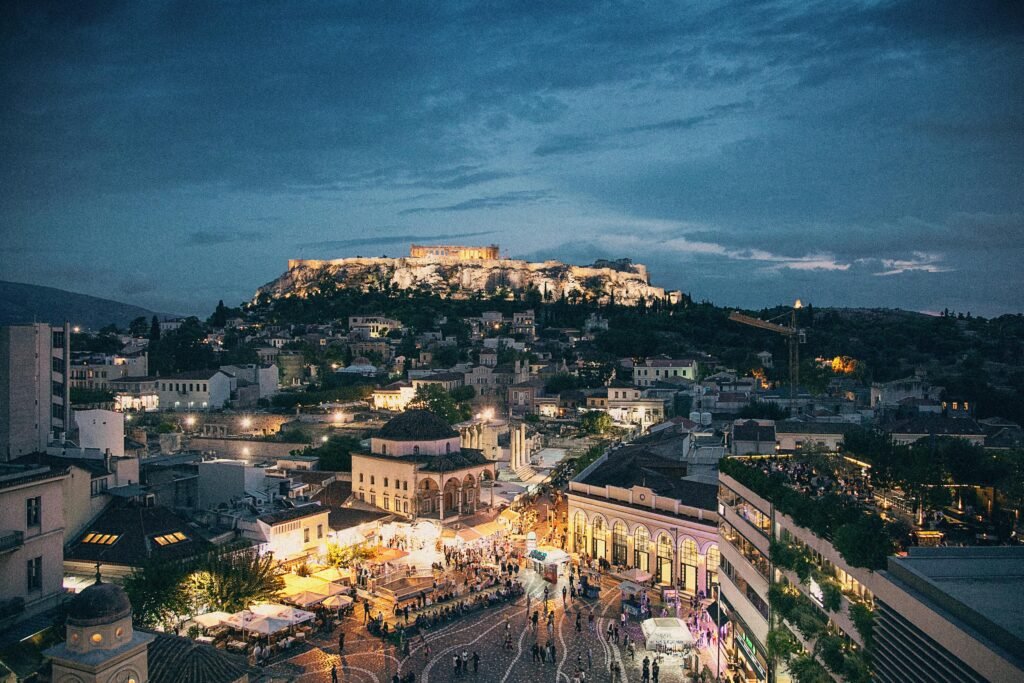
The Parthenon crowning the Acropolis is non-negotiable—yes, even with scaffolding and crowds. But here’s how to do it right: Buy the €30 combo ticket covering Acropolis, Ancient Agora, Roman Forum, Hadrian’s Library, and more—valid 5 days. Enter the Acropolis at 8am opening (seriously, set an alarm) before tour groups arrive and heat becomes oppressive. Spend 90 minutes there, then explore the Acropolis Museum across the street (€10, air-conditioned, brilliant). Walk down through Plaka neighborhood for lunch.
The Acropolis is crowded because it deserves to be—2,500-year-old temples that defined Western architecture genuinely inspire awe, even for skeptics.
GetYourGuide skip-the-line Acropolis tours OR Klook: Athens food tours
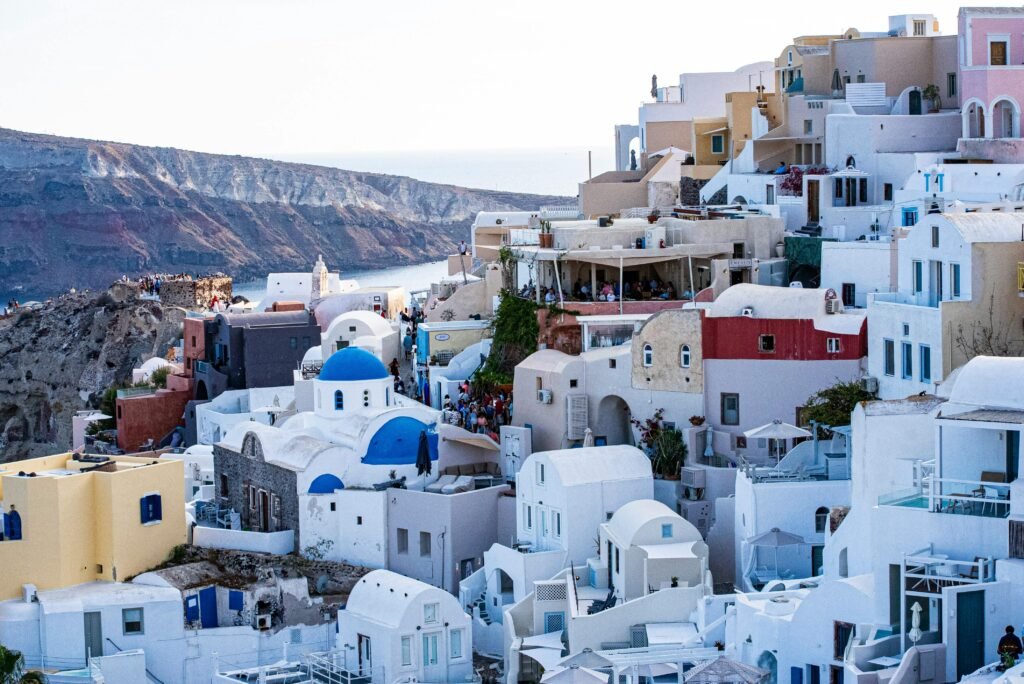
Oia delivers those iconic sunset views over blue-domed churches everyone promises. Yes, it’s touristed to the point of self-parody, with crowds fighting for sunset photo spots and prices inflated 200%. But walking those winding stairs, gazing at whitewashed buildings cascading down volcanic cliffs toward impossibly blue water… it hits differently in person.
Better approach: Stay in Fira (the main town—more authentic, half the price) or Imerovigli (quieter, stunning views). Visit Oia for sunset once, but watch other sunsets from your hotel or Akrotiri Lighthouse (free, fewer people, equally beautiful). Hike the Fira to Oia trail (6 miles, 2-3 hours, morning only due to heat) for the best views without crowds. Don’t skip Akrotiri archaeological site (€12)—it’s a Minoan Bronze Age city preserved in volcanic ash, absolutely fascinating.
Expedia Santorini hotels with caldera views
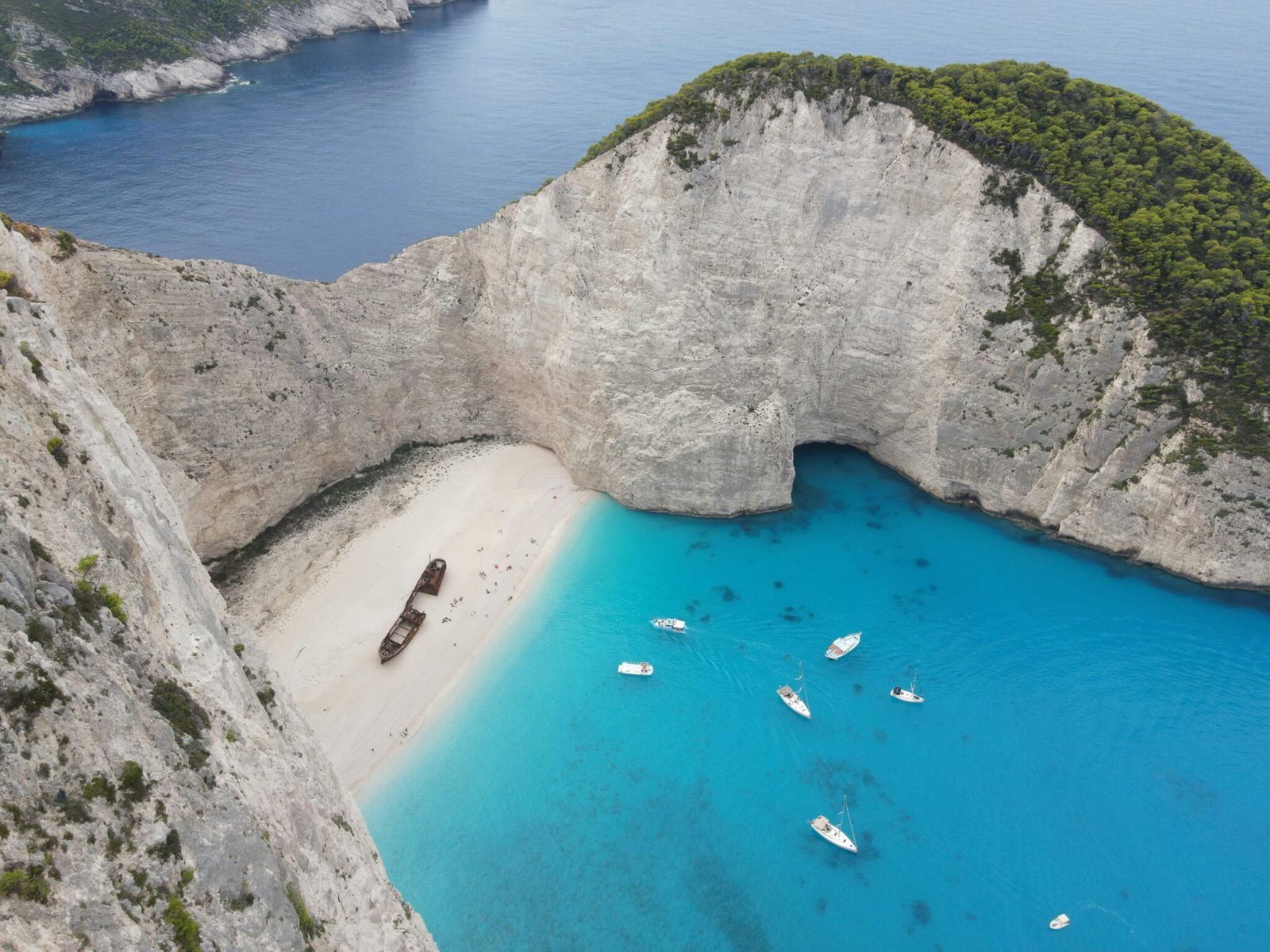
Greece’s beaches range from postcard-perfect to genuinely wild.
Reality check on Greek beaches: They often mean no shade (bring umbrella), rocky entries (water shoes helpful), long drives on rough roads, and limited facilities. But the water clarity and beauty justify the effort.
Six medieval Orthodox monasteries perched impossibly atop sandstone pillars in central Greece create one of the world’s most surreal landscapes. They’re 4-5 hours north of Athens (train to Kalambaka via Thessaloniki, or organized tour). Visit 2-3 monasteries (€3 each, modest dress required—cover shoulders/knees), hike between rock formations, photograph at sunset. I did a day trip from Athens Klook: Meteora day trip —long day but absolutely worth it. Staying overnight in Kalambaka lets you explore with fewer crowds and catch sunrise.
The ancient Greeks considered Delphi the center of the world, home of the Oracle who advised kings and generals. The ruins cascade down Mount Parnassus with stunning mountain/valley views. Spend 2-3 hours exploring the Temple of Apollo, ancient theater, stadium, and excellent museum (€12 combo ticket). Easy day trip from Athens (2.5 hours by bus) or overnight in Delphi town. GetYourGuide: Delphi tours from Athens
Cooking classes: Learning to make moussaka, tzatziki, and spanakopita from a Greek grandmother in her kitchen was a highlight. Multiple operators in Athens, Crete, and Santorini. Cost: €60-90 for 3-4 hours including meal.
Wine tasting on Santorini: The volcanic soil produces distinctive Assyrtiko wine. Visit boutique wineries like Santo Wines (stunning caldera views) or Venetsanos Winery. Self-drive to 3-4 wineries or book organized tour GetYourGuide wine tours. €15-25 per tasting.
Athens street art in Psiri/Exarcheia: Athens’ grittier neighborhoods feature incredible political murals and street art. Free walking tours showcase the art while explaining Greek political history. Or just wander Psiri in the late afternoon, then stay for dinner and nightlife.
Hike the Samaria Gorge, Crete: Europe’s longest gorge (16km) cuts through Crete’s White Mountains. Strenuous but spectacular full-day hike (5-7 hours), ending at the Libyan Sea. May-October only. Organized tours handle logistics or DIY via public bus from Chania (€7 each way). Entry €5.
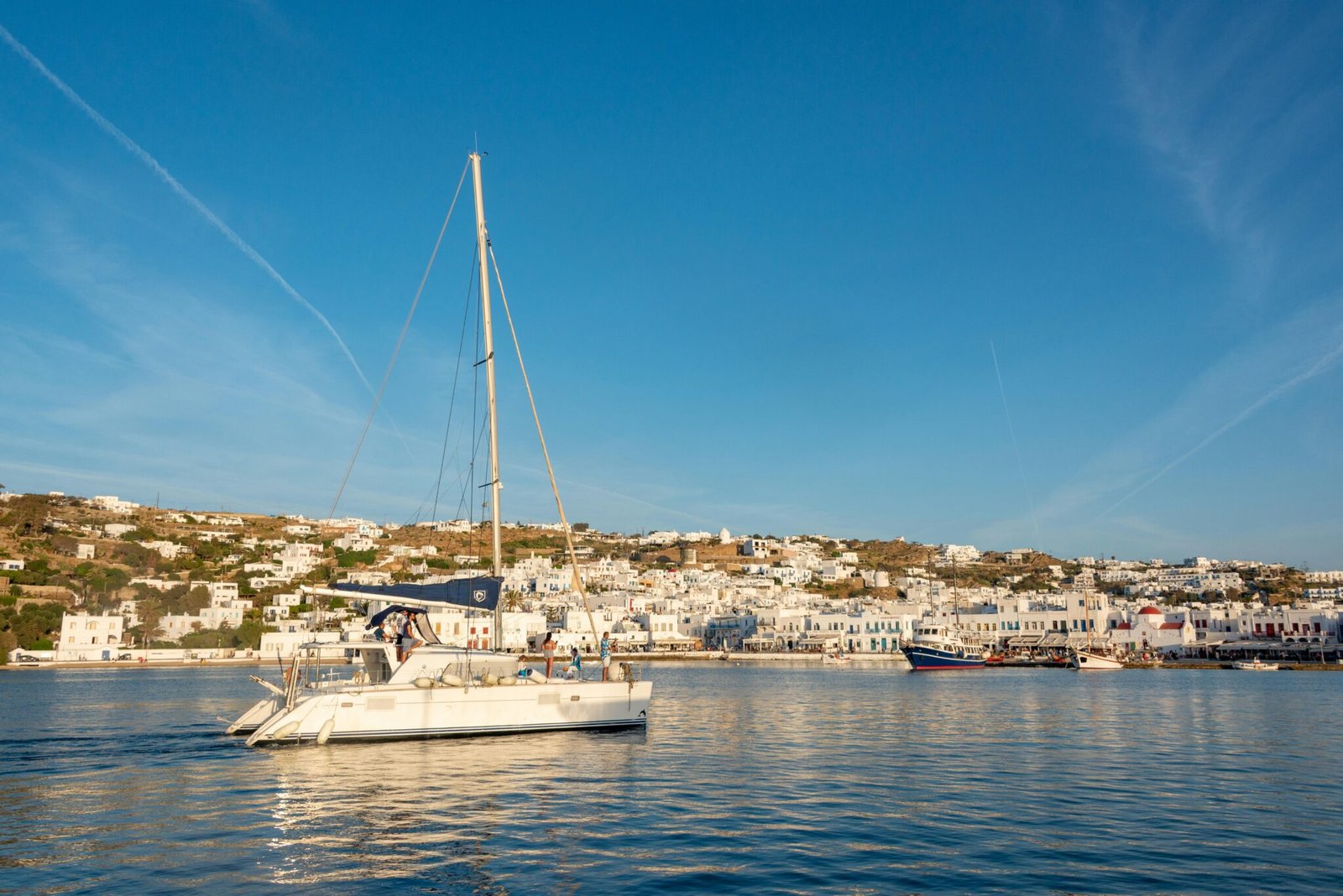
Sunset sailing in the Cyclades: Half-day or full-day sailing trips around Santorini, Mykonos, Paros typically include swimming stops, lunch/snacks, and sunset viewing. Touristy? Yes. Worth it? Absolutely. €80-120 per person. GetYourGuide: sailing tours
Skip overcrowded Santorini/Mykonos for these alternatives:
Attend a Greek festival (panigiri): Summer village festivals celebrating saints’ days feature live music, traditional dancing, endless food, and wine. Not tourist shows—actual community celebrations where locals welcome strangers. Ask hotel staff about upcoming festivals. Zero cost, maximum cultural immersion.
April-May (Spring): Wildflowers blooming, comfortable 65-75°F temperatures, fewer crowds, Easter celebrations (if timing aligns), lower prices. Downsides: Water too cold for extended swimming (60-65°F), some island businesses still closed, occasional rain. Best for: Hiking, archaeological sites, Athens/mainland exploration.
June-August (Summer): Guaranteed sunshine, perfect beach weather (75-85°F water), all businesses open, vibrant atmosphere, island-hopping at peak. Downsides: Extreme heat (90-100°F+), massive crowds especially Santorini/Mykonos, highest prices, Athens can be unbearable. Best for: Beach lovers, island life, accepting premium prices for peak season. Book accommodation 2-3 months ahead.
September-October (Fall): Still warm (70-80°F), sea temperature at annual peak (72-75°F), thinning crowds post-Labor Day, lower prices than summer, excellent weather reliability. Downsides: Shortening days, some businesses closing by late October, ferry schedules reducing. Best overall balance of weather, costs, and experience—my top recommendation.
November-March (Winter): Rock-bottom prices, zero crowds, authentic local life, skiing on Mount Parnassus. Downsides: Many island hotels/restaurants closed, limited ferry schedules, cool/rainy weather, beaches unswimmable. Best for: Athens and mainland cities, budget travelers, ski enthusiasts, solitude seekers.
Bottom line: Late September through mid-October offers the sweet spot—summer weather without summer crowds or prices. If you must go in summer, early June beats July-August.
Greece delivers exceptional value for what you experience: world-class history, stunning natural beauty, incredible food, and genuine warmth from locals who still seem to enjoy tourists (outside peak Santorini chaos). The combination of beach paradise and cultural depth is rare—you can spend mornings exploring 2,500-year-old temples and afternoons swimming in turquoise water without it feeling forced or touristy.
Don’t island-hop too aggressively. Three islands in two weeks is plenty; two is better. Ferry travel eats more time than you think.
Athens deserves 2-3 days minimum. Don’t just use it as a jumping-off point. The food scene, museums, and energy make it worthwhile.
Embrace “Greek time.” Things run slower. Shops close 2-5pm for siesta. Dinner starts at 9pm or later. Fighting this causes stress; accepting it brings peace.
Learn basic Greek phrases. “Kalimera” (good morning), “efharisto” (thank you), “parakalo” (please/you’re welcome). Greeks genuinely appreciate the effort and treat you noticeably better.
Bring cash. Many small tavernas, shops, and buses remain cash-only. ATMs are widespread but can run empty on small islands during peak season.
Book ferries in advance during summer. “We’ll figure it out when we get there” leads to disappointment when ferries sell out.
Explore beyond the Instagram spots. Santorini’s Oia is stunning; Santorini’s mountain villages are revelatory. Both matter.
Standing atop the Acropolis as the setting sun bathed ancient marble in golden light, I understood why Greece has captivated travelers for millennia. It’s not just the beauty or the history—it’s how the culture weaves them together with food, hospitality, and a philosophy that life should be savored, not rushed.
Greece works whether you’re a backpacker eating €3 gyros or staying in Santorini cave hotels. It rewards curiosity—the best meals came from asking locals where they eat, the most memorable moments from random conversations over wine, the hidden beaches from wrong turns that became right ones.
Pack sunscreen, download ferry apps Ferryhopper, book that initial accommodation Expedia.com, grab travel insurance SafetyWing, and go. Greece is waiting—impossibly blue water, perfect tomatoes, ancient stones, and warm people included.
Yamas! (Cheers!)