

$ 0.00
0
The moment I watched a scarlet macaw swoop across a canopy bridge while howls from unseen monkeys echoed through the rainforest, I understood why Costa Rica punches so far above its weight in the travel world. This Central American country roughly the size of West Virginia, contains 5% of the world’s biodiversity and has somehow mastered the art of accessible adventure tourism without completely selling its soul.
Costa Rica has built its reputation on pura vida (pure life), a philosophy that’s simultaneously a greeting, a goodbye, and a gentle reminder not to stress too much. And unlike many tourism slogans, this one actually permeates daily life here.
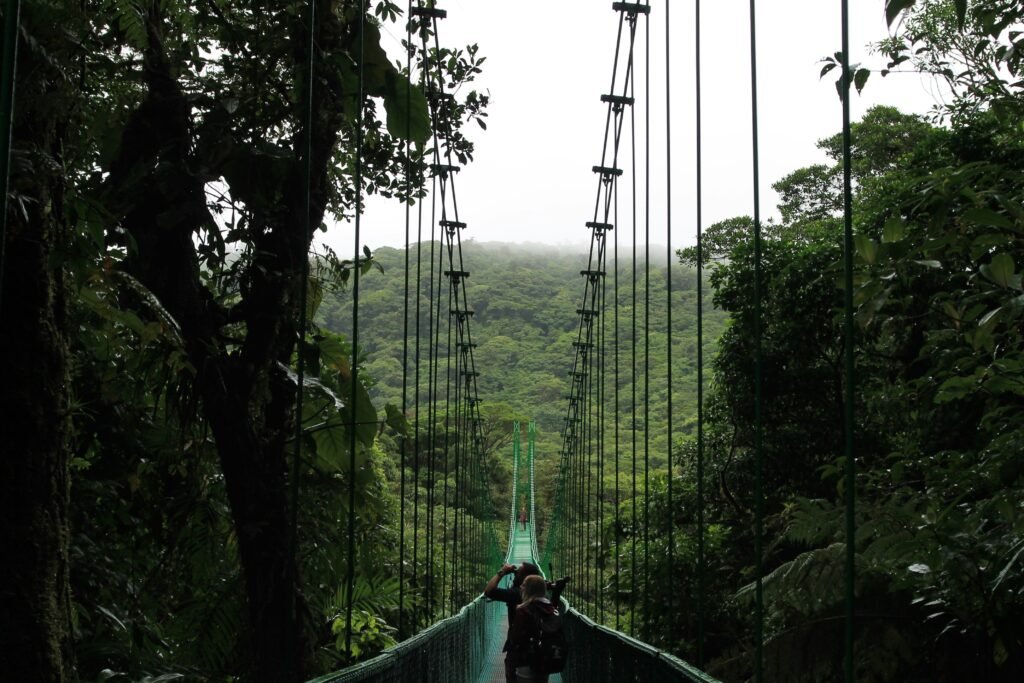
Costa Rica feels like nature’s greatest hits album compressed into 19,730 square miles. You’ve got cloud forests, volcanic peaks, Caribbean beaches, Pacific surf breaks, and steaming hot springs—often just a few hours’ drive from each other. The country abolished its military in 1948 and redirected those funds toward education and environmental protection, which explains both the unusually high English proficiency and the fact that over 25% of the land enjoys some form of protected status.
The geography breaks down roughly like this: A volcanic mountain range runs down the center like a spine, with rainforests blanketing the Caribbean side and a drier Pacific coast offering the classic beach-and-surf experience most travelers imagine. The Central Valley—where San José sits—enjoys eternal spring weather, while coastal areas swing between steamy wet seasons and gloriously sunny dry periods.
Is Costa Rica Safe?
Here’s the straight talk: Costa Rica is one of Central America’s safest destinations, but it’s not crime-free. Petty theft (pickpocketing, car break-ins, beach bag snatching) happens, especially in tourist-heavy areas like Manuel Antonio, Jacó, and downtown San José. Violent crime against tourists is rare but not unheard of.
Should you get travel insurance? Yes, absolutely, but mostly for medical reasons and adventure activity coverage. Costa Rica has excellent private hospitals, but medical care isn’t free for tourists, and emergency evacuations from remote areas cost thousands. I learned this watching a guy in Tamarindo get a nasty surfboard-to-face injury—his evacuation and treatment ran over $8,000.
World Nomads offers flexible coverage that includes adventure sports like zip-lining, white-water rafting, and surfing. SafetyWing works well for digital nomads planning extended stays.
Visa Requirements
US, Canadian, EU, UK, and Australian citizens get 90 days visa-free. You technically need proof of onward travel (flight out of Costa Rica within 90 days) and sufficient funds, though enforcement is inconsistent. I’ve been asked once out of two visits. Your passport needs at least six months validity remaining.
Connectivity
Wi-Fi is surprisingly good in most tourist areas, hotels, and restaurants. Cell coverage from Kolbi (ICE), Movistar, and Claro reaches most populated areas but gets spotty in remote rainforest lodges and some beach towns. I grabbed a tourist SIM from Kolbi at the airport for about $20-30 with 10GB data, which lasted two weeks with moderate usage.
Flights & Airports
You’ve got two international airport options:
Juan Santamaría International Airport (SJO) near San José handles most international traffic. Direct flights run from major US hubs (Miami, Houston, Atlanta, Los Angeles, New York), with American Airlines, United, Delta, JetBlue, Southwest, and Spirit all serving this route. Expect $300-600 roundtrip from the US, cheaper if you catch a sale.
Daniel Odiber Quirós International Airport (LIR) in Liberia serves the northwestern Pacific coast (Guanacaste region). It’s perfect if you’re heading to Tamarindo, Nosara, or the Nicoya Peninsula. Fewer flight options but potentially shorter drive times to beach destinations.
Expedia and Kiwi.com help compare routes. I’ve found Southwest often offers the best value from US cities they serve, and bags fly free—helpful when you’re packing snorkel gear.
Transportation Within Costa Rica
Renting a car gives you maximum freedom but comes with caveats. Roads range from excellent highways to river crossings that require 4WD. GPS is essential—addresses barely exist in rural areas. Budget $40-80/day for a compact car, $60-120/day for a 4WD, which you’ll want for places like Monteverde, most of the Nicoya Peninsula, and anywhere during rainy season.
Adobe Rent-a-Car and Vamos Rent-a-Car are reputable local companies with transparent pricing and good insurance. International chains GetrentalCars are also available but sometimes cost more.
Important insurance note: Your credit card coverage likely won’t satisfy Costa Rican law, which requires third-party liability coverage (roughly $12-18/day additional). Don’t skip this—police checkpoints are common.
Public buses are incredibly cheap ($1-15 for most routes) but slow and occasionally confusing. The San José to Puerto Viejo route takes 4-5 hours by bus versus 3 hours driving.
Shared shuttles like those from Interbus or Grayline split the difference: $40-60 per person but door-to-door service between popular destinations.
Uber and DiDi work in San José and some larger towns but are technically illegal (though widely used). Grab doesn’t operate here.
Daily Budget Breakdown

Money-Saving Strategies
Costa Rica uses colones (₡), but USD is widely accepted (you’ll get change in colones). ATMs dispense both currencies. Credit cards work most places except small sodas and rural areas.
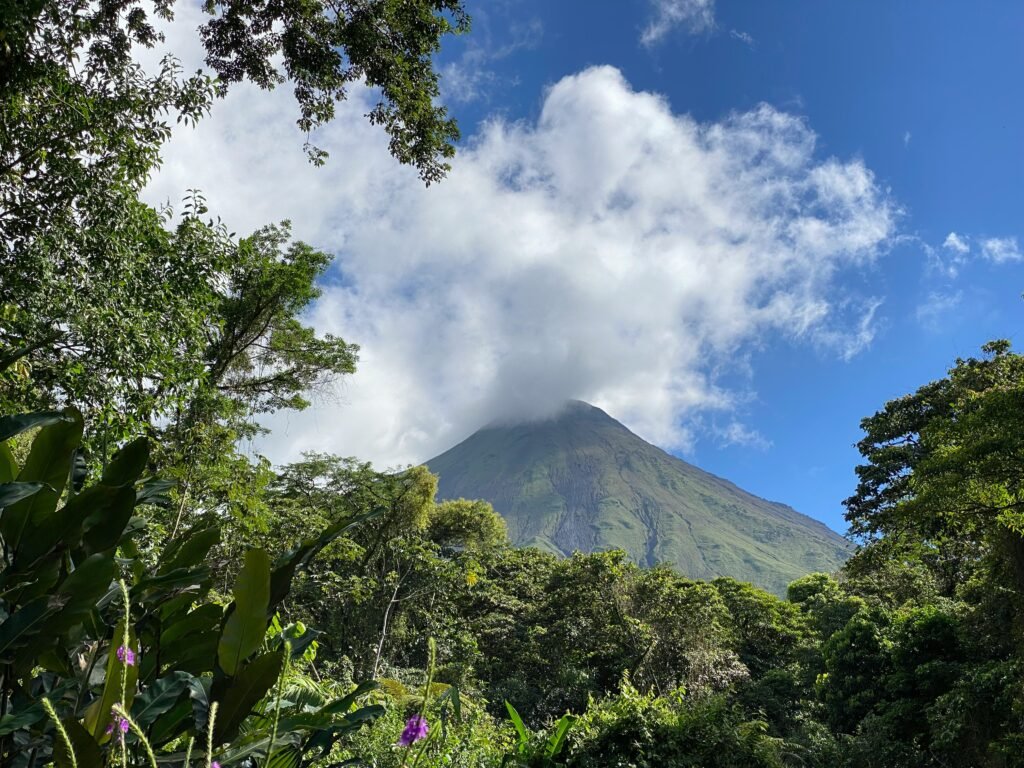
This nearly perfect cone-shaped volcano dominates the landscape around La Fortuna. While it’s been dormant since 2010 (no more lava shows), the area remains Costa Rica’s adventure capital.
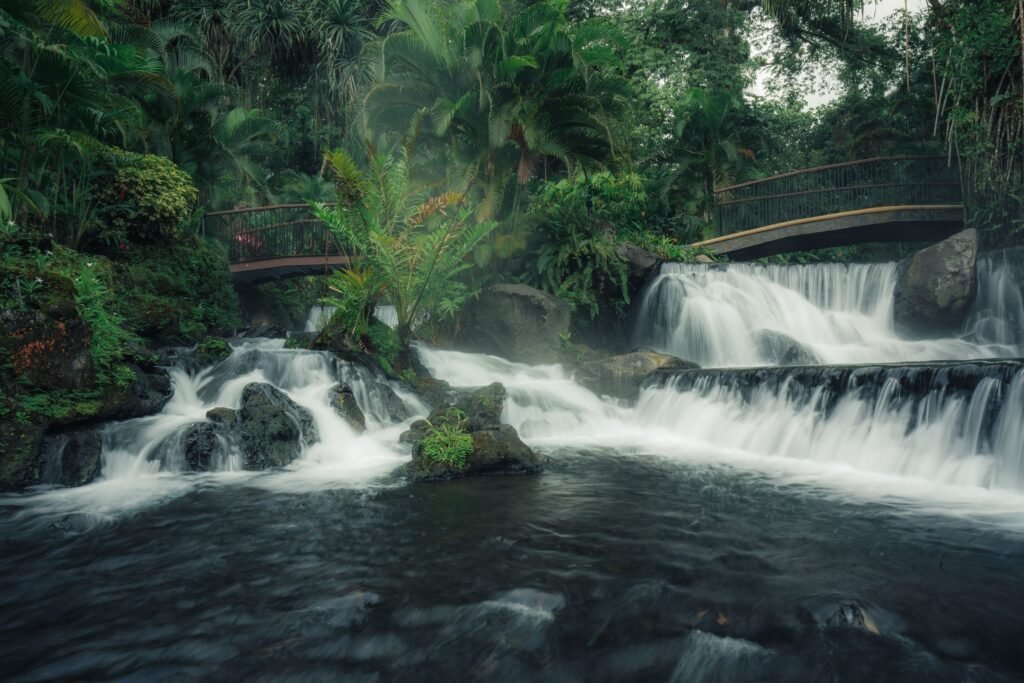
What to do: Hike trails in Arenal Volcano National Park ($15 entrance), soak in naturally heated hot springs at Tabacón ($$$ at ~$95) or cheaper options like Eco Termales ($38), rappel down waterfalls, or white-water raft the Balsa River (Class II-III).
The La Fortuna Waterfall costs $18 entry but requires 500 steps down (and back up). Worth it if you’re reasonably fit—you can swim in the pool beneath.
Getting there: 3.5 hours from San José by car, 3-4 hours by bus ($5).
Where to book: GetYourGuide and Klook both offer combo packages, though I found better prices booking the Mistico Hanging Bridges ($26) directly through their website.
The Main Attractions (And Why They’re Worth the Hype)
Walking through cloud forest feels like entering a fantasy novel—everything’s wrapped in moss, bromeliads sprout from every surface, and mist drifts through the canopy. Monteverde Cloud Forest Reserve protects one of the world’s most biodiverse ecosystems.
What to do: Guided night hikes to spot tarantulas, snakes, and sleeping birds ($25-40), the famous hanging bridges and canopy tours, and birdwatching (600+ species, including the resplendent quetzal).
The original canopy zipline was invented here, and operations like Selvatura (~$50) and 100% Aventura (~$45) offer genuine adrenaline-pumping rides, not tourist gimmicks.
Logistics: The road from La Fortuna is famously terrible—3 hours for 25 miles, though scenic around Lake Arenal. The road from San José is paved but windy (4 hours).
Where to stay: Expedia for options ranging from budget hostels to eco-lodges. The town of Santa Elena has more budget options than Monteverde itself.
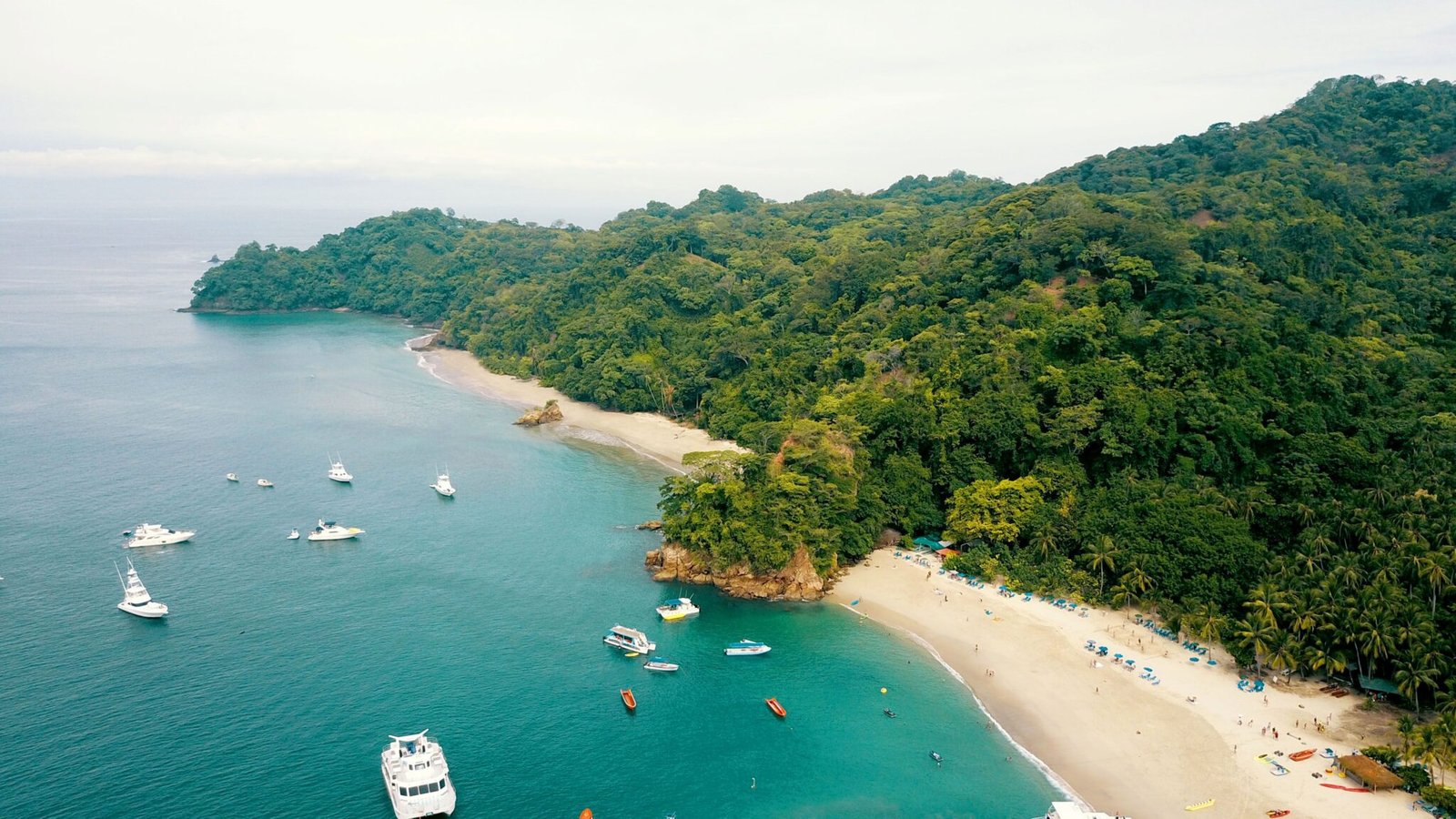
This tiny park (4 square miles) packs in pristine beaches, easy rainforest trails, and virtually guaranteed wildlife sightings—sloths, monkeys, iguanas, and countless birds. It’s Costa Rica’s most visited park, which means crowds during high season.
Pro tips:
The nearby town (also called Manuel Antonio) and Quepos offer tons of restaurants, nightlife, and tour operators. Ocean kayaking through mangroves and catamaran sunset cruises are popular add-ons.
Getting there: 3.5 hours from San José, direct buses available ($8-10).
The Caribbean side offers a completely different vibe—Afro-Caribbean culture, reggae beats, Caribbean cuisine (rice and beans cooked in coconut milk), and a decidedly laid-back atmosphere. Puerto Viejo is the backpacker hub, while Cahuita runs quieter and more family-friendly.
What to do: Surf at Salsa Brava (advanced only) or Cocles Beach (beginner-friendly), snorkel in Cahuita National Park (pay-what-you-want entrance on one side, $5 on the other), visit Jaguar Rescue Center ($20), or bike between beach towns.
The Manzanillo-Gandoca Wildlife Refuge at the southern end offers kayaking through mangroves and hiking to empty beaches.
Weather note: The Caribbean has a different rain pattern—tends to be drier September-October when the Pacific is wettest, but it can rain any time.
Getting there: 4-5 hours from San José by bus ($10-12), about 3.5 hours driving.
Tamarindo is the party beach—surf, nightlife, and tourist infrastructure. Love it or hate it depending on what you want.
Nosara attracts the yoga crowd with consistent surf and a wellness-focused atmosphere.
Santa Teresa/Mal País offers hipster beach vibes, great surf, and rapidly increasing development.
Uvita gives you Marino Ballena National Park with its whale-tail-shaped sandbar and actual whale watching (July-October and December-April).
All offer excellent surfing, with board rentals running $15-25/day and lessons $40-60 for 2 hours. GetYourGuide lists surf lessons and boat tours in these areas.
Smaller Experiences Worth Your Time
Pros: Sunny days, minimal rain, perfect beach weather, easiest road conditions
Cons: Highest prices (especially Christmas/New Year and Easter), crowded parks and beaches, very dry on the Pacific side by March-April
Best for: Beach holidays, guaranteed good weather, combining multiple regions
Pros: Lush landscapes, 20-40% cheaper accommodation, fewer crowds, better wildlife viewing
Cons: Afternoon downpours (usually 1-3pm onward), some roads impassable, Caribbean side can get seriously wet September-October
Reality check: “Rainy season” doesn’t mean all-day rain. Expect sunny mornings, afternoon thunderstorms, then clearing. You can absolutely travel during these months.
Best for: Budget travelers, photographers (dramatic skies and waterfalls), wildlife enthusiasts
The sweet spot—rain tapering off, prices not yet peak, everything lush and green.
My Recommendation
Visit late November through mid-December or late April into May. You’ll get good weather odds without peak-season prices and crowds. If you’re focused on the Caribbean coast, September-October actually works well (counter to Pacific coast patterns).

Here’s my honest take: Costa Rica delivers on its promises but has gotten noticeably more expensive and touristy in the past decade. You won’t find the undiscovered Central America of backpacker legend, but you will find a country that’s mastered sustainable tourism infrastructure, maintains incredible biodiversity, and makes adventure accessible to travelers of various skill levels.
The pura vida philosophy isn’t just marketing—I genuinely encountered friendlier, more relaxed people here than in many other tourist-heavy destinations. The country feels safe, organized, and genuinely proud of its natural heritage.
Costa Rica works best when you:
Essential first-timer tips:
Costa Rica won’t be everyone’s dream destination. If you want undiscovered authenticity and rock-bottom prices, look elsewhere in Central America. But if you want stunning nature, well-organized adventure tourism, friendly people, and the comfort of knowing medical care and infrastructure exist when you need them, Costa Rica hits that sweet spot beautifully.
The scarlet macaws still fly through those cloud forests, howler monkeys still wake you at dawn, and waves still break perfectly along both coasts. That’s the Costa Rica that earned its reputation—and despite the crowds and the costs, it’s still very much alive.
Pura vida isn’t just a catchphrase. It’s an invitation to slow down, appreciate the moment, and remember that some places earned their fame for good reason.