

$ 0.00
0
I still remember stepping off the plane in Cairo for the first time, hit by that unmistakable mix of warm desert air and the electric energy of a country where ancient history breathes through every stone. Egypt isn’t just a destination; it’s a journey through time itself, and honestly, no amount of documentaries or photos can prepare you for the real thing.
The Vibe and Geography
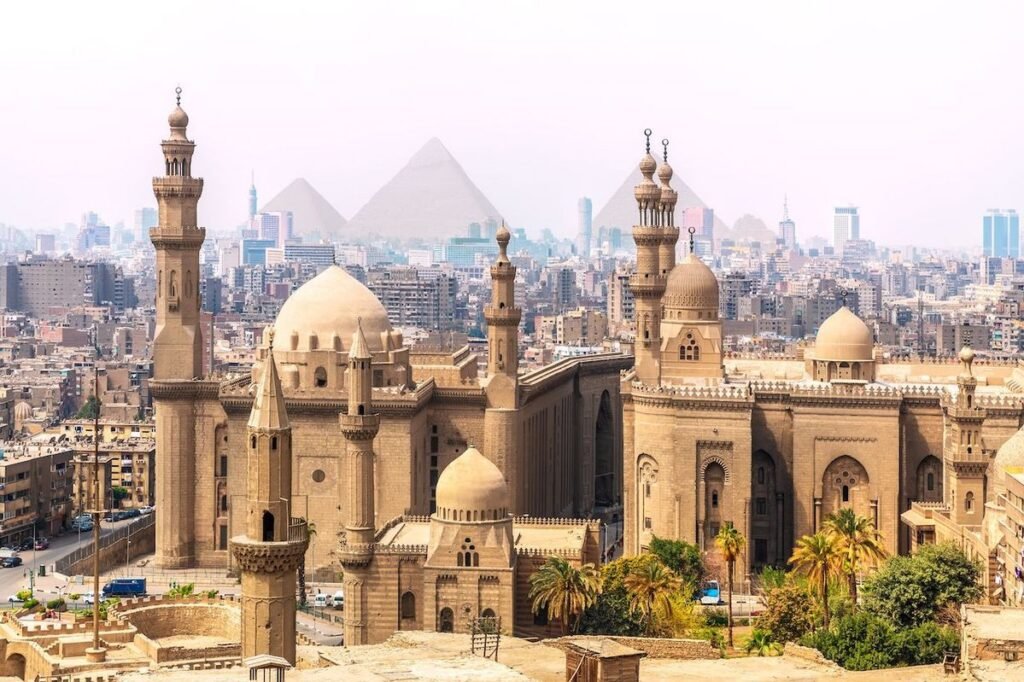
Egypt is intoxicating in the best possible way. Picture this: chaotic markets where vendors haggle over spices that have been traded for millennia, the surreal silence of the desert at sunset, and the constant backdrop of the mighty Nile cutting through golden sands like a lifeline. The country straddles northeastern Africa and the Sinai Peninsula in Asia, giving you this incredible blend of continental influences.
The geography here is dramatic – you’ve got the lush Nile Valley and Delta (where basically everyone lives), the Eastern and Western Deserts that stretch endlessly, and the Red Sea coast with some of the world’s most spectacular coral reefs. Most of Egypt is desert, which means you’re dealing with arid conditions pretty much everywhere except along the Nile.
Geography & Climate
Egyptian summers (June to August) are brutal – we’re talking 35-40°C (95-104°F) regularly, and in southern cities like Aswan and Luxor, it climbs even higher. Some people make the mistake of visiting Luxor around July, and honestly, exploring temples in that heat will feel like walking through an oven.
Winters (December to February) are mild and pleasant, especially in Cairo and Alexandria, though desert nights can get surprisingly chilly. The coastal areas along the Red Sea maintain comfortable temperatures year-round, which is why resort towns like Hurghada and Sharm el-Sheikh stay busy even in winter.
Safety Considerations
Visa Requirements
Here’s some good news: Egypt has made visa processes much easier. Most nationalities can get a visa on arrival at Egyptian airports for $25 USD. Even better, they’ve introduced an E-Visa system (www.visa2egypt.gov.eg) where you can apply online before traveling – I highly recommend this route as it saves time at immigration.
The standard tourist visa is valid for 30 days. Make sure your passport has at least six months validity from your entry date. Some nationalities can get visa-free entry, so check the current regulations for your specific country before booking.
Connectivity and Staying Online
Egypt’s internet infrastructure is decent in cities but can be spotty in remote areas. I always grab a local SIM card at the airport – carriers like Vodafone Egypt, Orange, and Etisalat offer tourist packages with data that’ll run you about $10-15 for a month. The coverage along the Nile Valley and in major cities is solid, though the Western Desert is another story.
Most hotels, cafes, and restaurants in tourist areas have WiFi, though speeds can be inconsistent. If you’re planning to work remotely or need reliable connectivity, consider getting a portable WiFi device or having backup mobile data.
Major Airports
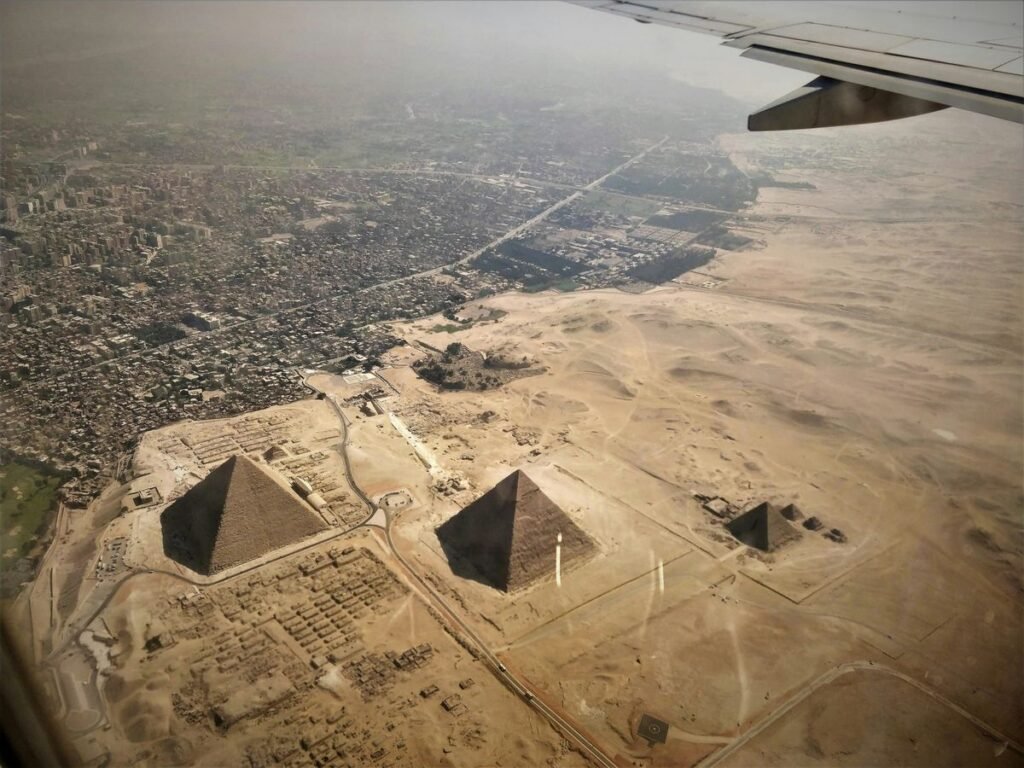
Cairo International Airport (CAI) is your main gateway and one of Africa’s busiest airports. It’s honestly a bit chaotic, but it’s functional. Terminal 3 handles most international flights and is relatively modern.
If you’re heading straight to the Red Sea resorts, Hurghada International Airport (HRG) and Sharm el-Sheikh International Airport (SSH) receive direct international flights from Europe and the Middle East. Luxor International Airport (LXR) and Aswan International Airport (ASW) are perfect if you’re planning to start your journey in Upper Egypt.
Finding the Best Flights
From Europe, you’ve got tons of options with Egypt’s national carrier EgyptAir, European airlines like Lufthansa, British Airways, and budget carriers like Wizz Air. From North America, you’ll typically connect through European or Middle Eastern hubs. I’ve found that booking through flight comparison sites gives you the best deals, especially if you’re flexible with dates.
EgyptAir also operates extensive domestic flights between Cairo, Luxor, Aswan, Hurghada, and Sharm el-Sheikh. These flights are reasonably priced and save you hours of overland travel. I booked a Cairo to Aswan flight once for about $80, and it was infinitely better than the 12-hour bus ride.
For Flights Feel free to check our Flights Page where you can browse & compare deals through different brands.
Transportation Within Egypt
You can book Train tickets through platforms like Trainline.
I would recommend platforms like CruiseDirect & Expedia for booking your Cruises.
If you want to rent a car, feel free to check out GetRentalCars
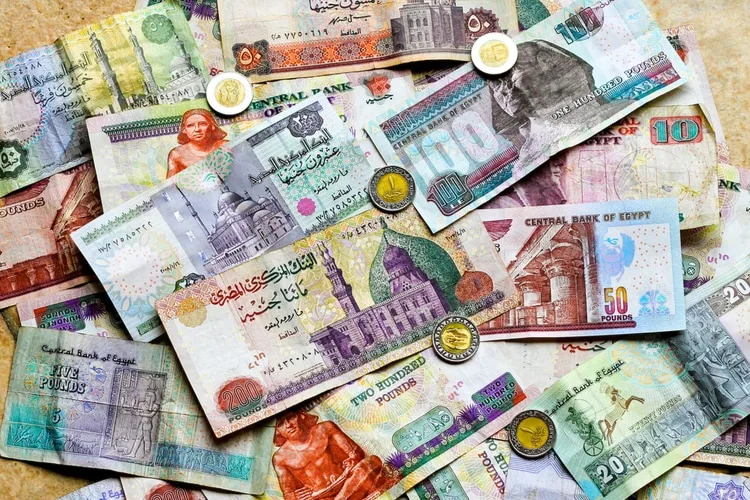
This is where Egypt shines for travelers. Compared to most international destinations, your money goes remarkably far here, though prices have increased in recent years.
Budget Breakdown
I’ve met backpackers who’ve traveled Egypt on even less, staying in hostels, eating kushari (the national dish) for $1-2, and taking slow trains everywhere.
This is where I usually land. You get comfortable hotels with pools, can splurge on nice dinners, take guided tours, and not stress about every pound.
Activities: Private guides, exclusive experiences
Egypt has incredible luxury options – think historic hotels like the Old Cataract in Aswan or the Mena House near the Pyramids.
Specific Costs to Expect
The Headline Acts (The Reasons Why Most People Visit)
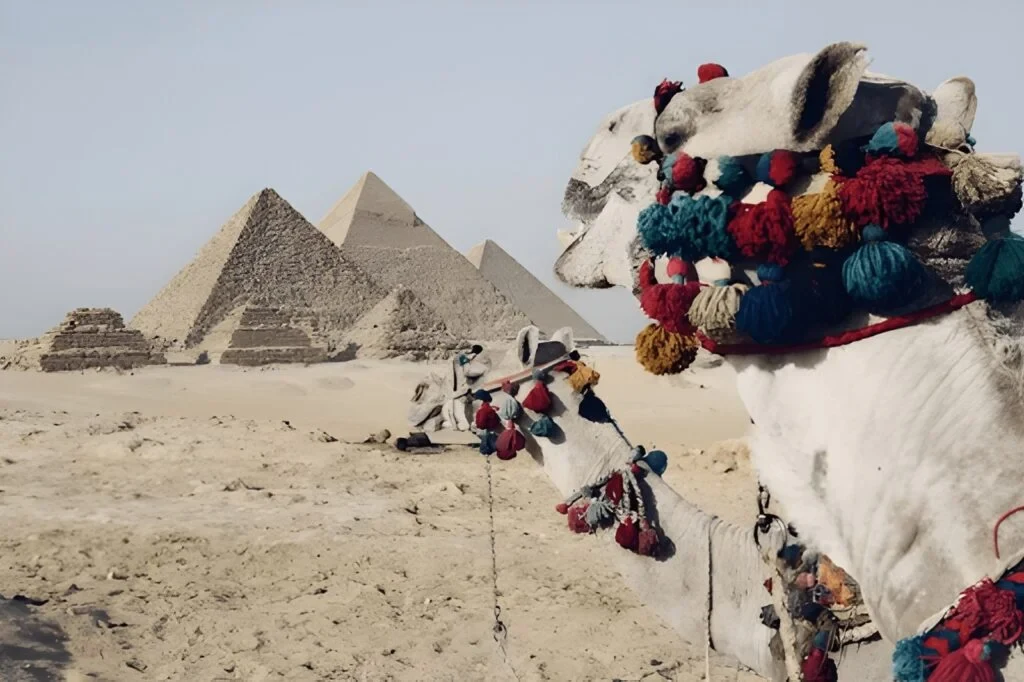
Let’s start with the obvious – the last remaining Wonder of the Ancient World. When I first visited Giza, I got chills seeing those pyramids rise from the desert. Yes, it’s touristy. Yes, you’ll deal with persistent camel ride vendors. But standing at the foot of the Great Pyramid, built 4,500 years ago with 2.3 million stone blocks, puts everything into perspective.
Go early morning to beat crowds and heat, or stay for the Sound and Light Show in the evening. The nearby Solar Boat Museum houses a reconstructed ancient Egyptian boat found in a pit beside the Great Pyramid – absolutely worth the extra ticket.
The Sphinx is smaller than most people expect but no less impressive. There’s something haunting about its worn face gazing eternally eastward.
[Affiliate Opportunity: Book guided tours, skip-the-line tickets, and combination packages through GetYourGuide, Viator, or TripAdvisor Experiences]
If Giza is Egypt’s calling card, Luxor is where you fall completely in love with ancient Egypt. The concentration of monuments here is unmatched anywhere on Earth. The East Bank has Karnak Temple – and honestly, words don’t do this place justice. I spent four hours wandering through the massive hypostyle hall with its 134 towering columns, and I could have stayed longer.
The West Bank houses the Valley of the Kings, is where the pharaohs were buried in hidden tombs decorated with vivid paintings that look like they were created yesterday, not 3,000 years ago. Tutankhamun’s tomb is here, along with dozens of others. The Valley of the Queens, Hatshepsut’s Temple carved into the cliffs, and the Colossi of Memnon are all on the West Bank too.
Rent a bicycle and explore the West Bank villages between monuments, it’s one of my favorite Egypt memories, cycling through sugarcane fields with ancient temples dotting the landscape.
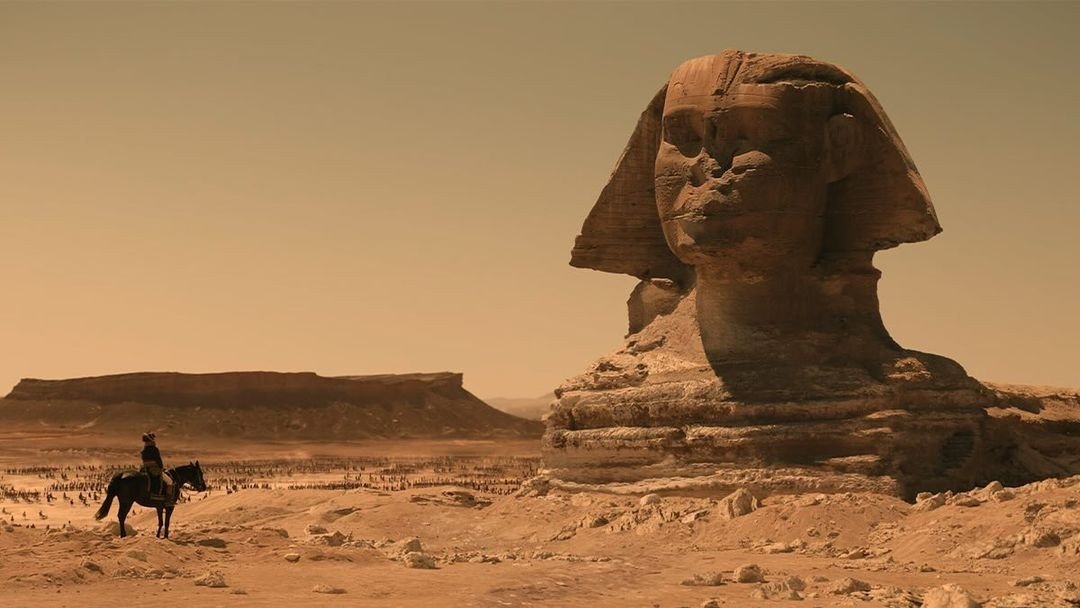
Taking a short flight or driving three hours south from Aswan brings you to Ramesses II’s masterpiece. Four colossal statues of the pharaoh guard the temple entrance, and inside, the sanctuary is aligned so that twice a year, sunlight illuminates the statues of the gods deep within.
The entire temple was cut into blocks and moved 200 meters in the 1960s to save it from Lake Nasser – a modern engineering marvel protecting an ancient one.
The old Egyptian Museum in Tahrir Square is gloriously chaotic – thousands of artifacts crammed into a colonial-era building. Tutankhamun’s treasures are the star attraction, and seeing his golden death mask in person is genuinely moving.
By the time you read this, the Grand Egyptian Museum near the Pyramids should be fully open. This massive new facility will house even more treasures and will be one of the world’s premier museums.
You can book your tickets through: Tiqets
Egypt isn’t just about pharaohs and pyramids. The Red Sea offers some of the world’s best diving. I got my diving certification in Dahab, a laid-back coastal town in Sinai, and spent a week exploring technicolor coral reefs teeming with fish, sharks, and even the occasional dolphin.
Sharm el-Sheikh and Hurghada are the more developed resort towns with hundreds of dive sites. The Blue Hole near Dahab is famous (and infamous – it’s a challenging dive), and Ras Mohammed National Park has pristine reefs.
Even if you don’t dive, snorkeling trips are fantastic and affordable. Some beaches have coral reefs right off shore.
Tip: Use GetYourGuide Or Klook for Diving courses, PADI certification programs, snorkeling tours, and beach resort packages
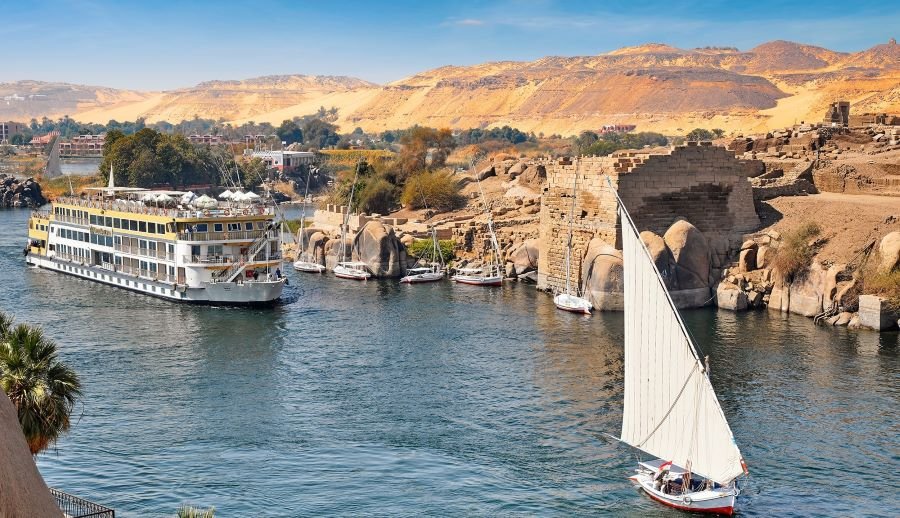
I mentioned this earlier, but it deserves expansion. Nile cruises are the civilized way to see Upper Egypt. Most cruises run between Luxor and Aswan (or vice versa) over 3-4 days, stopping at Edfu Temple (dedicated to Horus) and Kom Ombo Temple (a unique double temple).
Sitting on deck with a cold drink, watching feluccas sail past and fellahin working the fields as they have for centuries – it’s the Egypt you imagined.
Budget cruises start around $40/night per person, while luxury options exceed $300/night. Book during shoulder season for the best deals.
You can book cruises through travel platforms like CruiseDirect or Expedia
Beyond the Classics: Unique Experiences
This remote oasis near the Libyan border is Egypt’s hidden gem. I took a bus from Cairo (about 10 hours) and found myself in a different world – palm groves, natural springs, the ruins of the Oracle Temple where Alexander the Great sought prophecy, and the stunning Great Sand Sea.
Siwa has its own culture and language distinct from the rest of Egypt. Stay in an eco-lodge, swim in Cleopatra’s Bath, watch sunset from Shali Fortress, and go sandboarding on massive dunes. It’s Egypt unplugged.
The Western Desert holds surreal landscapes, and the White Desert is the most otherworldly. Chalk rock formations weathered into mushroom shapes and bizarre sculptures dot blindingly white desert sands. Most people do overnight camping trips from Bahariya Oasis – sleeping under absurdly starry skies surrounded by these alien formations ranks among my top travel memories ever.
Cairo’s Islamic quarter is a warren of medieval mosques, madrasas, and monuments. The Citadel offers panoramic city views and houses the beautiful Muhammad Ali Mosque. Wandering through Al-Muizz Street, one of the world’s oldest streets, transports you back centuries.
Khan el-Khalili bazaar is sensory overload – spices, perfumes, lanterns, jewelry, textiles, and endless shops selling everything imaginable. Yes, it’s touristy, but it’s also genuinely where locals shop are located. The surrounding coffee houses, like the famous El Fishawi (open since 1769), are perfect for watching the world go by over mint tea.
Egypt’s second city feels completely different from Cairo – Mediterranean, breezy, with a distinct European influence from its cosmopolitan past. The Bibliotheca Alexandrina is a stunning modern library honoring the ancient Library of Alexandria. Qaitbay Citadel sits where the Lighthouse of Alexandria (another ancient Wonder) once stood.
The corniche waterfront is perfect for sunset walks, and the seafood here is fantastic. Alexandria makes a great day trip or weekend escape from Cairo’s intensity.
Aswan is more relaxed than Luxor, with beautiful riverside scenery. Visit Nubian villages on the West Bank – houses painted in bright colors, welcoming locals, and a chance to experience Nubian culture, which has its own language and traditions.
Don’t miss Philae Temple on its island setting, and take a felucca ride around the islands at sunset. The Aswan Botanical Garden on Kitchener’s Island is a peaceful retreat.
Small, Fun, and Interesting Activities
The Red Sea resorts are actually pleasant in summer – hot but breezy, and the water is warm and perfect for diving.
Ramadan Considerations
If your visit coincides with Ramadan (dates shift earlier each year by about 11 days), be prepared for changes. Muslims fast from dawn to dusk, so many restaurants close during the day. Tourist restaurants generally stay open, but it feels disrespectful to eat on the street.
However, the evening iftar (breaking fast) is a feast, and there’s a special energy in the evenings. If you’re respectful and aware, visiting during Ramadan can offer unique cultural insights.
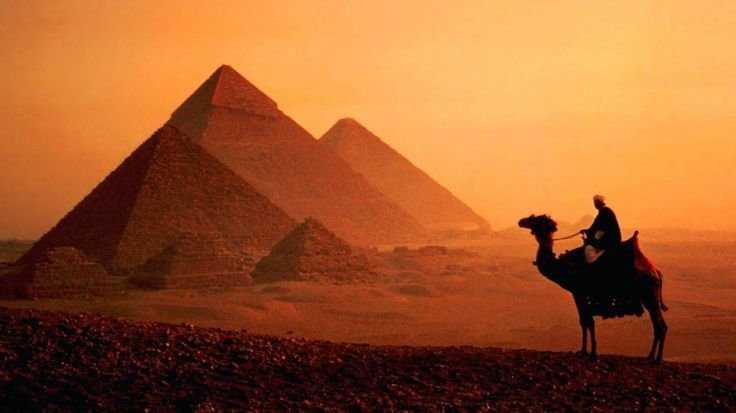
Standing in front of the Pyramids for the first time, watching sunrise from a hot air balloon over Luxor, haggling in a chaotic souk, sharing tea with Nubians in a painted village, floating on the Nile, diving pristine reefs – Egypt delivers moments that change you.
It’s not always easy. You’ll deal with hassle, things won’t run on time, you might get sick from the food, and the poverty can be confronting. Egypt demands patience and flexibility. But if you can roll with the chaos, it rewards you with experiences that will outlast any frustration.
What struck me most about Egypt isn’t just the obvious ancient grandeur – though that’s staggering – it’s the living continuity. People still fish the Nile with methods their ancestors used millennia ago. Bread is still made in traditional ovens. The call to prayer echoes across landscapes where gods were worshipped 5,000 years ago. Egypt isn’t just ancient history sealed behind glass; it’s history that breathes and lives and invites you to become part of its endless story.
Practical advice for your trip: Book your main accommodations and any Nile cruises in advance, especially for winter travel. Get a local SIM card immediately. Budget extra for tips and “baksheesh” – it oils the wheels of Egyptian society. Dress modestly, especially women. Learn a few Arabic phrases – even basic attempts are appreciated. Carry small bills always. Trust your gut about tours and guides, but also be open to serendipity.
Most importantly, approach Egypt with an open mind and realistic expectations. It’s not going to be like traveling in Europe or Southeast Asia. But if you’re willing to embrace the intensity, the noise, the heat, the hustle, and the absolute magic of walking in the footsteps of pharaohs, Egypt will give you some of the most extraordinary experiences of your traveling life.