

$ 0.00
0
New Zealand is extraordinary. Yes, it’s expensive. Yes, it’s far from almost everywhere. But having spent nearly three weeks exploring these islands, I’d do it again in a heartbeat. The landscapes alone – dramatic fjords, active volcanoes, alpine lakes, and pristine beaches justify the journey. Add in world-class adventure activities, welcoming locals, and a well-developed tourism infrastructure, and you’ve got one of the planet’s premier travel destinations.
The Vibe
New Zealand is that rare destination where you can literally ski in the morning and surf in the afternoon. Split between the North Island and South Island, this remote Pacific nation is roughly the size of the UK but with only 5 million people – meaning you’ll find plenty of wide-open spaces.
Geography & Climate
The geography here is honestly ridiculous (in the best way). We’re talking active volcanoes, fjords carved by ancient glaciers, geothermal hot springs, pristine beaches, and mountain ranges that put most others to shame. The North Island leans more subtropical with volcanic landscapes and Māori cultural sites, while the South Island brings the dramatic alpine scenery and jaw-dropping fjords.
Climate-wise, remember that seasons are flipped from the Northern Hemisphere. December to February is summer (warm and busy), while June to August is winter (perfect for skiing). The weather can be moody though, I experienced four seasons in one day more than once. Layer up, and always pack a rain jacket.
Safety & Travel Insurance
New Zealand is incredibly safe. It consistently ranks as one of the world’s safest countries for travelers. I felt comfortable hiking solo, exploring cities at night, and leaving my rental car unlocked (though don’t actually do that).
That said, travel insurance is absolutely essential-not because of crime, but because of activities. If you’re here, you’ll probably try adventure sports, go hiking, or explore remote areas. Medical care is excellent but expensive for tourists.
I personally use World Nomads for adventure coverage, and it saved my friend when she injured her knee while tramping in Fiordland. Many credit cards offer travel insurance, but check if they cover activities like skydiving, bungy jumping, or glacier hiking.
Visa Requirements
For most Western travelers (US, Canada, UK, EU, Australia), you’ll need an NZeTA (New Zealand Electronic Travel Authority) before you fly. It costs around NZD $23 if you apply via the app. The process took me about 15 minutes, and approval came through within 24 hours. This allows you to stay up to 90 days visa-free. There’s also a small International Visitor Conservation and Tourism Levy (IVL) of $35 NZD built into the process—think of it as contributing to maintaining those incredible hiking trails you’ll be using.
Connectivity
Flights & Airports
New Zealand has three main international airports:
Most international travelers fly into Auckland. I found the best deals using Skyscanner or Google Flights to compare prices. From the US West Coast, expect 12-13 hours direct. From Europe, you’re looking at 24+ hours with at least one stop, usually through Asia or the Middle East.
Airlines to consider:
For domestic flights between islands, Air New Zealand and Jetstar dominate. Book these through Expedia as you might get lucky with package deals. OR feel free to check our Flights Page for more options
Transportation Within New Zealand
Here’s where I’ll be blunt: you need to rent a car. Public transportation exists in cities, but New Zealand’s magic lies in remote places you can’t reach by bus.
Car Rentals:
I rented through GetRentalcars.com, which compared local and international companies. Prices run $40-80 USD per day for a small car. Consider these companies:
Important driving notes:
Campervans are hugely popular here. I saw hundreds of them everywhere. If you’re keen, check out Spaceship Campers, Jucy, or Escape Campervans. Book through Motorhome Republic to compare options. Just know that freedom camping (sleeping anywhere) has restrictions now—use designated campsites.
Public Transportation:
In cities, Auckland has buses and a basic train network. Wellington has buses and a cable car. Both have ride-hailing apps like Uber, though coverage is limited outside main centers.
InterCity and Mana Bus run coach services between major towns if you’re car-free. The TranzAlpine train from Christchurch to Greyfell is one of the world’s most scenic railway journeys—absolutely worth it.
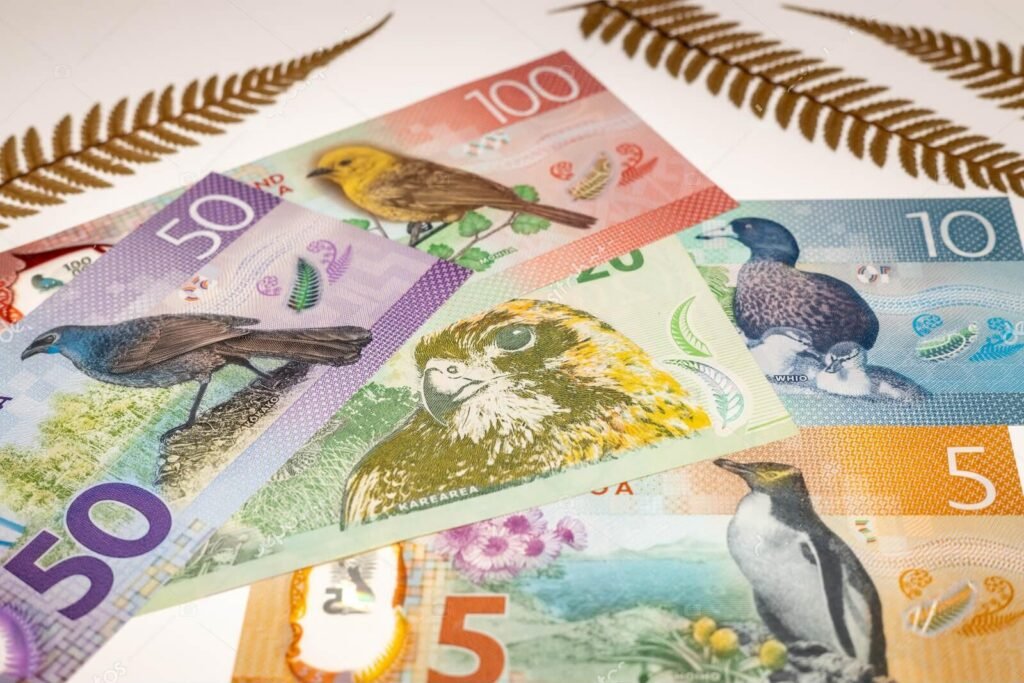
New Zealand isn’t cheap. It’s comparable to Australia or Western Europe. Here’s what I spent as a mid-range traveler:
Daily Budget Breakdown
Money-Saving Tips I Learned:
Book accommodations through Expedia Booking.com, Airbnb, or Hostelworld to compare prices and get member discounts.
The Main Attractions (And Why They’re Worth the Hype)
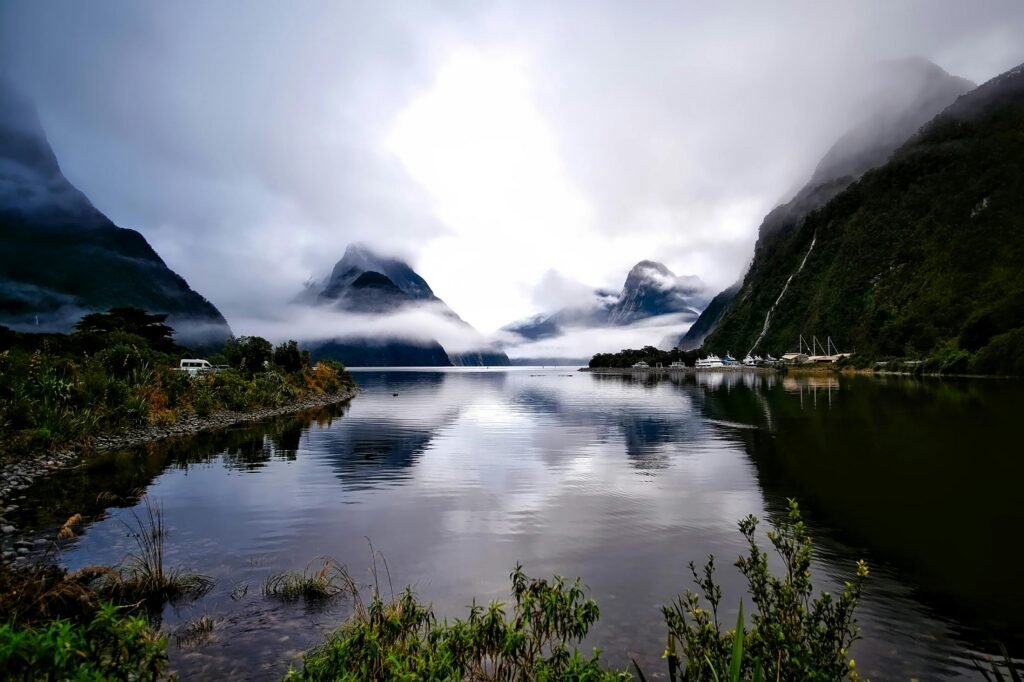
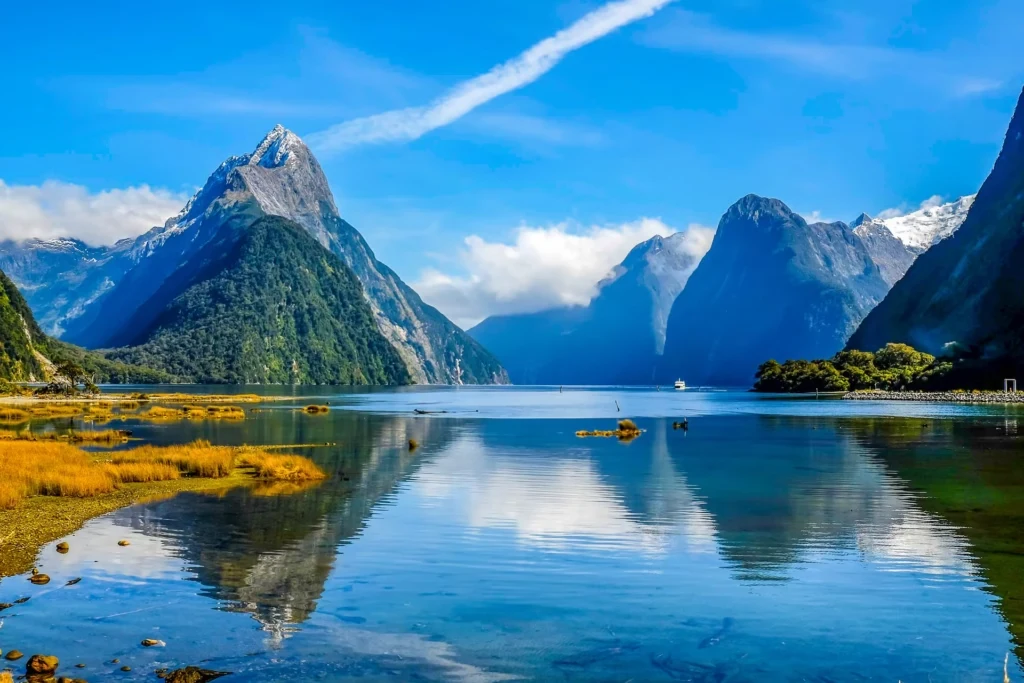
Everyone said “you MUST see Milford Sound,” and I almost skipped it thinking it’d be overrated. I was so wrong. This fjord, with waterfalls cascading thousands of feet down sheer cliff faces while dolphins swim alongside your boat, is genuinely spectacular. The drive from Te Anau is equally stunning.
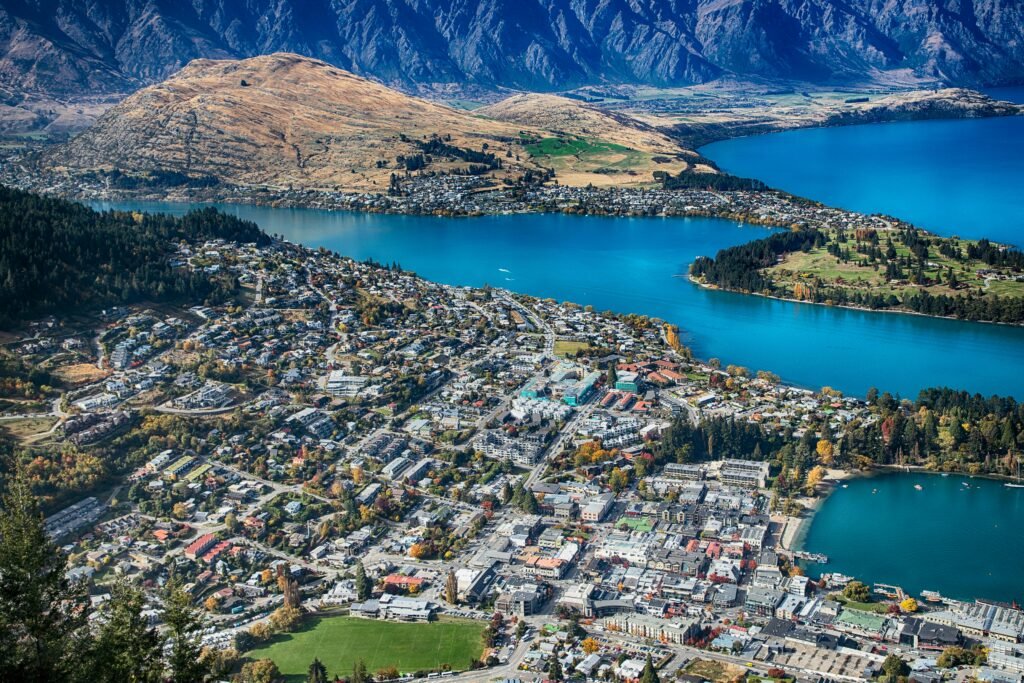
If adrenaline runs through your veins, Queenstown is your spiritual home
This is where I jumped out of a perfectly good airplane at 15,000 feet with NZONE Skydive. The rush of freefalling over Lake Wakatipu with the Remarkables mountain range below is… there are no words.
Must-do activities:
Even if you’re not an adrenaline junkie, Queenstown’s setting is gorgeous, the restaurant scene is excellent, and the vibe is infectious.
Often called New Zealand’s best day hike, and I completely agree.
This 19.4km trek across volcanic terrain took me about 7-8 hours, and every step revealed something new—emerald lakes, steaming vents, Moon-like craters, and views of Mt. Doom (yes, from Lord of the Rings). It’s challenging but absolutely achievable with decent fitness.
Logistics:
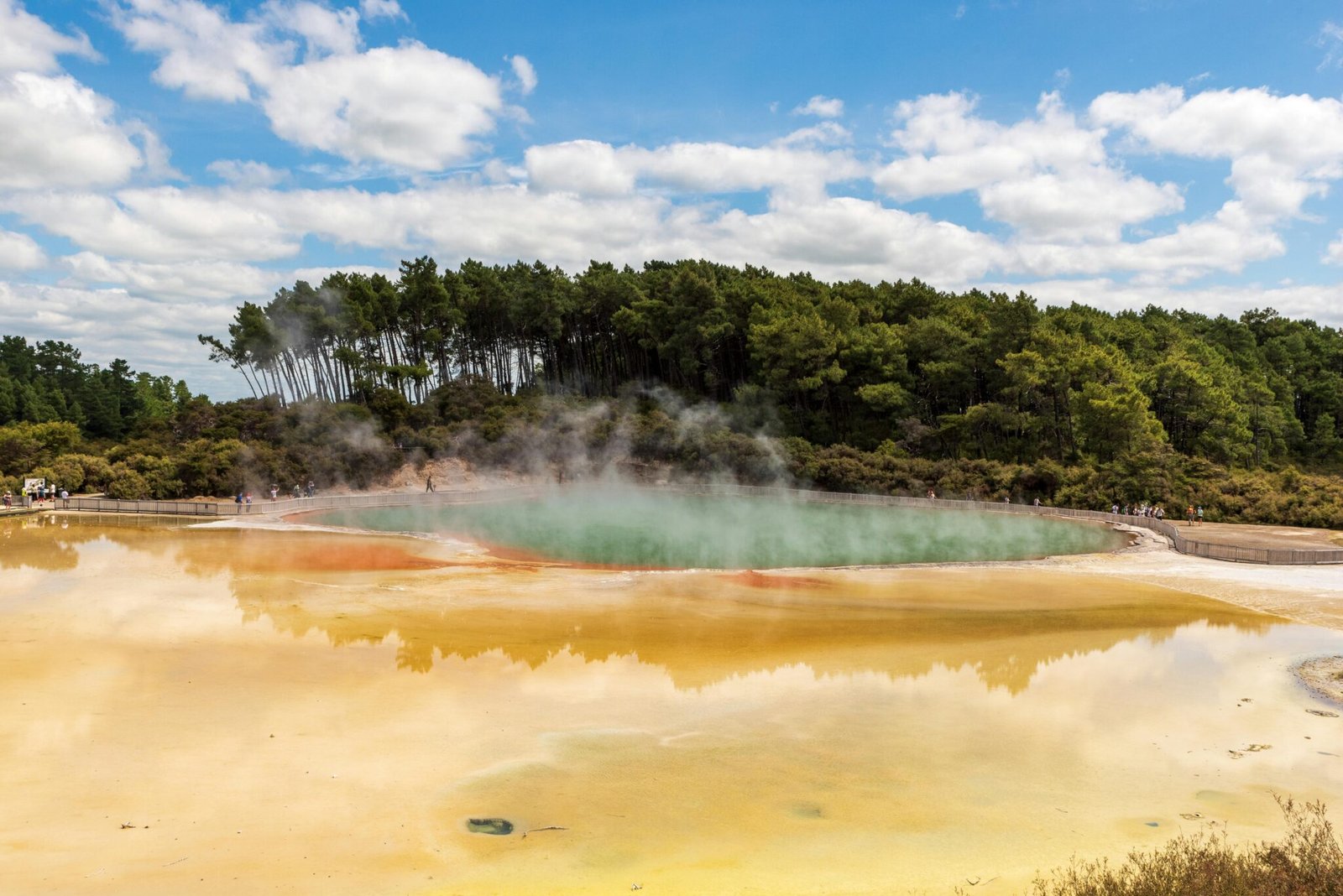
Rotorua smells like rotten eggs (sulfur), but you get used to it. This geothermal area is unlike anywhere else I’ve visited. Mud pools bubble, geysers erupt, and you can soak in natural hot springs.
Top experiences:
As a LOTR fan, visiting Hobbiton near Matamata was surreal. The set is permanently maintained with gorgeous hobbit holes built into hillsides, the Green Dragon Inn, and lush gardens. The tour (about 2 hours) is pricey but worth every cent.
Book through GetYourGuide or Klook for tours from Auckland or Rotorua.
Other LOTR locations worth visiting:
This coastal paradise on the South Island’s northern tip was my personal favorite. Golden beaches, turquoise water, and coastal hiking trails that let you walk an hour between gorgeous bays.
I kayaked here with Abel Tasman Kayaks, paddling alongside seals and through crystal-clear waters. You can also do multi-day hikes with water taxis dropping you at different points pure magic.
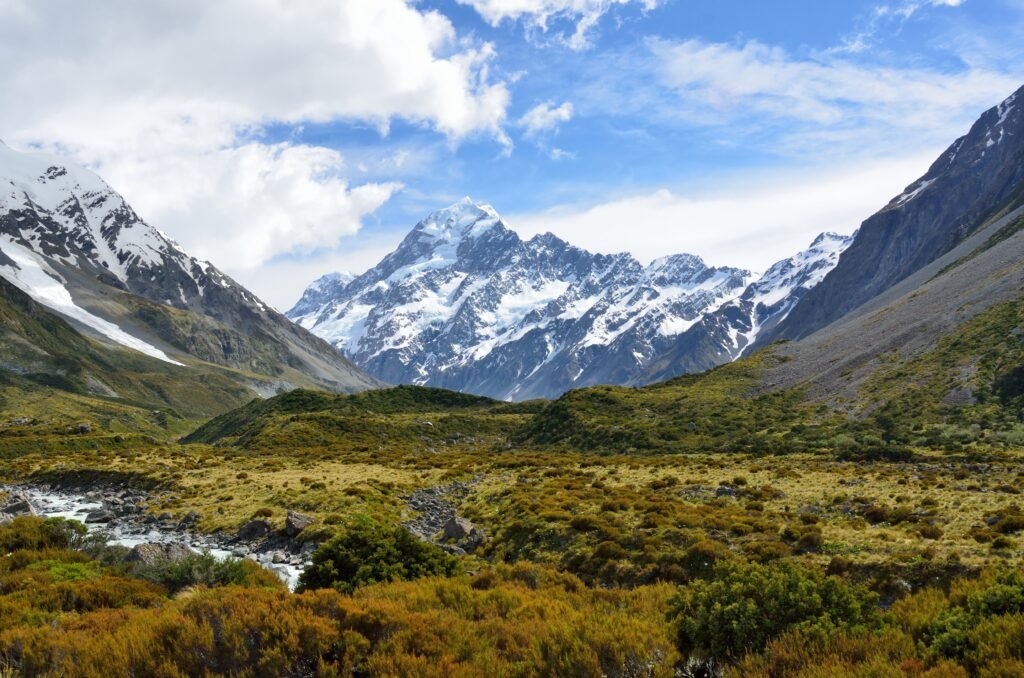
New Zealand’s highest mountain (3,724m) dominates this park. Even as a non-climber, you will get mesmerized. The Hooker Valley Track (3-4 hours return) takes you to a glacier lake with icebergs floating in it. Unreal.
Stay at the Hermitage Hotel or the nearby village. Night skies here are incredible, it’s a Dark Sky Reserve.
These glaciers descend from the Southern Alps almost to sea level a rare phenomenon. I did a helicopter hike with Franz Josef Glacier Guides (book through Viator), landing on the glacier and walking through blue ice caves. Pricey ($400-500 NZD) but absolutely bucket-list worthy.
New Zealand’s capital is compact, cultured, and cool. The Te Papa Museum (free!) is world-class. Ride the cable car, explore Cuba Street’s cafes, and if you’re a film nerd, tour Weta Workshop where LOTR props and effects were created.
Up north, this subtropical area has 144 islands, dolphins, and gorgeous beaches. I took a dolphin-watching cruise and swam with wild bottlenose dolphins, a highlight of the entire trip. The town of Paihia is the base for most activities.
Smaller, Quirky, and Fun Activities
Cathedral Cove (Coromandel Peninsula) – Walk 45 minutes to this stunning rock archway and beach. Go early to avoid crowds.
Waitomo Glowworm Caves – Float through underground caves lit by thousands of glowworms. Magical and slightly eerie. Book black water rafting if you want adventure.
Moeraki Boulders – Perfectly spherical boulders scattered on a beach. Weird and wonderful. Totally free.
Penguin spotting – See little blue penguins at Oamaru at dusk. Adorable.
Wine tasting in Marlborough – World-class Sauvignon Blanc. I’m not even a wine person, but these vineyards are beautiful and the tastings are fun.
Pancake Rocks (Punakaiki) – Layered limestone formations that look exactly like stacked pancakes. Visit at high tide when waves surge through blowholes.
Hot Water Beach (Coromandel) – Dig your own hot pool in the sand at low tide. Bring a spade!
Stargazing at Lake Tekapo – Another Dark Sky Reserve. The Church of the Good Shepherd here is one of the most photographed spots in NZ.
Whitewater rafting – Rotorua’s rivers offer everything from gentle floats to grade 5 rapids. Book through Viator or directly with Kaituna Cascades.
Cultural Experiences
Don’t leave without experiencing Māori culture. I attended a traditional hangi feast and cultural performance at Tamaki Māori Village in Rotorua. The food (cooked underground), haka performances, and storytelling gave me deep appreciation for New Zealand’s indigenous heritage.
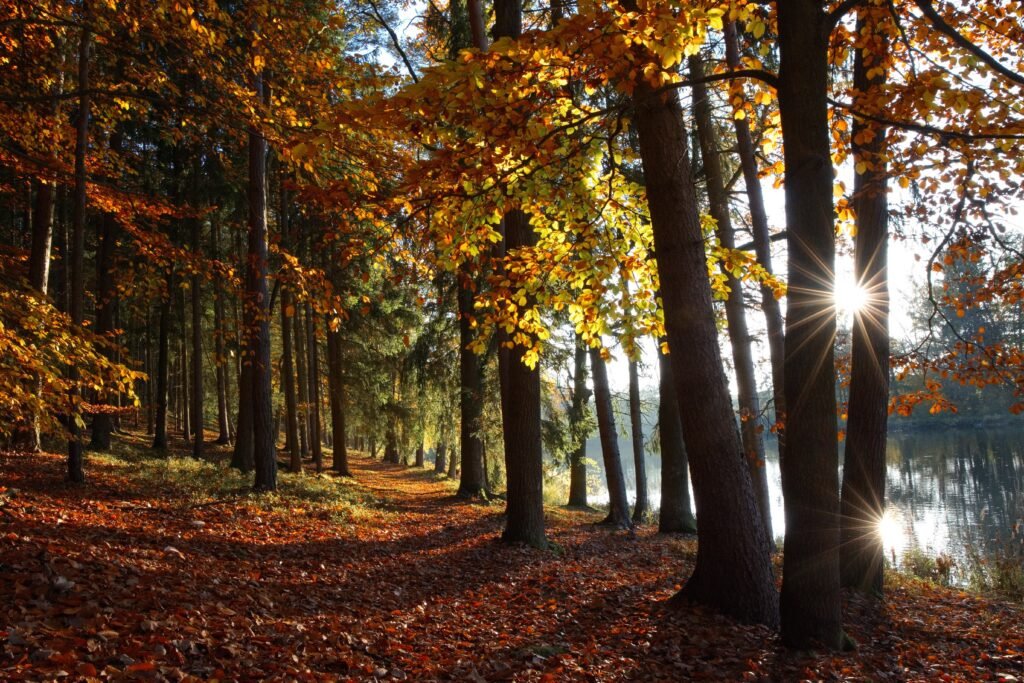
Timing your visit makes a huge difference. Here’s my honest assessment:
Pros:
Cons:
My take: Great if you want guaranteed good weather and don’t mind crowds. Book everything well in advance.
Bold: This was when I visited, and I’d choose it again in a heartbeat.
Pros:
Cons:
My take: The sweet spot for value and experience. April is particularly lovely.
Pros:
Cons:
My take: Perfect if you’re here to ski or don’t mind limiting your activities. Not ideal for first-timers wanting the full experience.
Pros:
Cons:
My take: Hit-or-miss weather, but if you get lucky with sunny days, it’s magical.
Bottom line: For the best all-around experience, visit in March-April or October-November. You’ll save money, avoid crowds, and still have excellent weather.
Sitting here writing this, scrolling through my photos from New Zealand, I’m hit with that familiar pang of wanderlust. Yes, it’s far. Yes, it’s expensive. Yes, you’ll probably eat instant noodles for a few months to save up for it.
But is it worth it? Absolutely, 100%, without question.
There’s something about this place that gets under your skin-maybe it’s the way mountains rise impossibly steep from mirror-like lakes, or how you can drive for an hour seeing nothing but sheep and scenery, or the warm Kiwi hospitality that makes you feel welcome everywhere you go.
The diversity packed into these two islands is remarkable. You can experience geothermal wonders, pristine beaches, dramatic fjords, wine regions, adventure sports, and rich cultural heritage all in one trip. Every single day brought something new and extraordinary.
1. Give yourself time. Don’t try to see everything in 10 days. Two weeks minimum, three is better. I did 18 days (excluding the flights) and still had to skip things.
2. Pick one island or accept you’ll miss stuff. Trying to thoroughly explore both islands in under three weeks means too much driving and not enough experiencing.
3. Don’t over-plan. I met travelers who’d scheduled every hour and were stressed when weather or circumstances changed plans. Build in flexibility.
4. Talk to locals. Kiwis are friendly and their recommendations led me to some of my best experiences.
5. Get off the beaten path. Rent that car, drive those scenic routes, stop at random lookout points. Some of my favorite moments weren’t at famous attractions but on quiet roads with nobody else around.
6. Respect the environment. New Zealand’s natural beauty is its treasure. Stick to marked trails, carry out all rubbish, and follow Leave No Trace principles.
7. Try everything. Even if you’re scared (I was before skydiving), push yourself. You’re already halfway around the world—make it count.
New Zealand changed how I see travel. It reminded me that our planet still has wild, beautiful places that can make you feel tiny and enormous at the same time. It’s a place that rewards the adventurous, welcomes the curious, and humbles everyone who visits.
If you’re reading this and wondering whether to book that flight—do it. Save up, plan smart, and go. Years from now, you won’t remember the money you spent. You’ll remember standing at the edge of Milford Sound as mist rolls off the peaks, or the rush of jumping from that bungy platform, or that perfect flat white in a Wellington cafe, or the silence of a glacier valley.
New Zealand is waiting, and trust me—it’s even better than you’re imagining.
SAFE TRAVELS, and feel free to reach out if you have questions. Kia ora! (That’s Māori for hello/goodbye/be well—you’ll hear it everywhere!)