

$ 0.00
0
The first time I watched the sun set over the Hajar Mountains while sipping Arabic coffee in a centuries-old fort, I finally understood what the UAE actually is, not just the Instagram famous skyscrapers everyone expects, but a fascinating collision of Bedouin heritage, cutting-edge futurism, and surprising natural beauty. Yes, you’ll find those gravity-defying towers in Dubai, but you’ll also discover ancient souks where frankincense smoke drifts through alleyways, pristine beaches with turquoise water rivaling the Maldives, and desert landscapes so otherworldly they’ve doubled for Mars in movies.
Most travelers fall into one of two camps: those who think the UAE is nothing but shopping malls and artificial attractions, or those who’ve never looked past Dubai. Both are missing the bigger picture. I’ve visited twice now, and each trip revealed layers I didn’t expect from the cultural depth of Sharjah’s museums to the adventure playground of Ras Al Khaimah’s mountains, to Abu Dhabi’s surprising commitment to art and conservation.
This guide will help you navigate the practicalities of visiting this complex federation while discovering experiences that go beyond the tourist brochures.
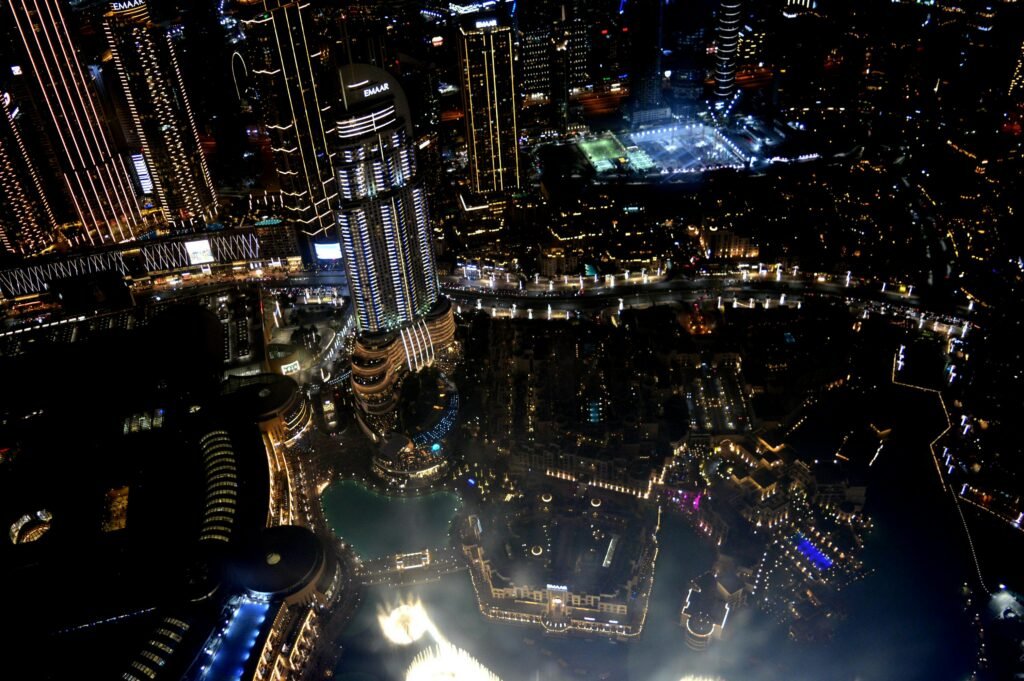
The United Arab Emirates is a federation of seven emirates along the Arabian Gulf, each with its own ruler and distinct personality. Dubai is the showman, Abu Dhabi the sophisticated capital, Sharjah the cultural keeper, and the smaller northern emirates (Ras Al Khaimah, Fujairah, Umm Al Quwain, Ajman) offer quieter, more traditional experiences.
The Vibe
Expect contrasts. Serious contrasts. You’ll find women in abayas shopping alongside tourists in shorts , gleaming supercars parked next to pickup trucks loaded with dates, and skyscrapers rising from desert that was empty forty years ago. The UAE has modernized at breakneck speed, but Emirati culture rooted in Bedouin hospitality and Islamic traditions remains strong beneath the cosmopolitan surface.
The atmosphere feels safe, orderly, and highly efficient. Everything runs on time. Rules are enforced. The population is overwhelmingly expat (around 90%), creating a genuinely international environment where you’ll hear dozens of languages daily.
Geography & Climate
The UAE sits on the southeastern Arabian Peninsula, bordered by Oman and Saudi Arabia. You’ve got 650 kilometers of coastline, vast desert interior (the Empty Quarter extends into the south), and the dramatic Hajar Mountains running through the eastern emirates into Oman.
Summers (June-September) are brutally hot—we’re talking 40-50°C (104-122°F) with humidity that makes Dubai feel like a sauna. Do not make a mistake of visiting between these months, I did it once. Never again. Winters (November-March) are gorgeous: 20-30°C (68-86°F), sunny skies, perfect beach weather.
Safety & Travel Insurance
The UAE is one of the safest destinations globally. Violent crime is virtually non-existent. I’ve walked alone at night in Dubai and Abu Dhabi without a second thought. I recommend getting a travel insurance. Not for the reasons you might expect. That said, it is good to have travel insurance no matter what country you visit
Medical care is excellent but expensive. A simple emergency room visit can easily cost $500-1,000 USD, and if you need hospitalization, you’re looking at tens of thousands. Private healthcare is the norm, and facilities won’t treat you without proof of payment ability.
Beyond medical coverage, insurance protects against:
I recommend SafetyWing for longer trips or World Nomads for better adventure sports coverage. Many credit cards offer travel insurance, but verify it covers the UAE specifically and includes medical evacuation.
Visa Requirements
This is refreshingly simple for most visitors. Citizens from over 70 countries (including US, UK, EU, Canada, Australia) receive a free 30-day visa on arrival. Seriously, you just show up. Your passport needs six months validity remaining.
Longer stays require visa extensions (available for a fee) or visa runs to neighboring Oman, a popular option that turns into a nice road trip. Check the UAE’s Federal Authority for Identity and Citizenship website for your specific nationality’s requirements.
Connectivity
Wi-Fi is everywhere and generally excellent. Hotels, malls, cafes, even many beaches offer free connection. For cellular, you have two main providers: Etisalat and du. Tourist SIM cards start around 100 AED ($27 USD) for 5GB data and work perfectly. I grabbed mine at Dubai Airport immediately after customs.
Fair warning: VoIP services like WhatsApp calling and FaceTime are officially restricted (though WhatsApp messaging works). In practice, enforcement varies, but don’t rely on these for critical calls.
Flights & Airports
Dubai International (DXB) is the big player, one of the world’s busiest airports and a major international hub.Abu Dhabi International (AUH) is smaller but growing, with excellent connections through Etihad Airways. Sharjah has its own international airport (SHJ) popular with budget carriers, and Ras Al Khaimah (RKT) handles some international flights.
From North America, expect 12-16 hour direct flights from major cities. Europe is closer at 6-8 hours. Asia is a quick hop of 3-6 hours, making the UAE a popular stopover destination.
Airlines to consider:
For booking, I always start with Expedia OR Kiwi.com for budget options Emirates often has flash sales worth catching.
Transportation Within the UAE
Between Emirates:
Within Cities:
Driving considerations: Roads are excellent, signage is clear, but driving culture is aggressive. Speed cameras are everywhere—they will catch you. Fines are steep. That desert road trip is tempting, but know that wadi driving (dry riverbeds) requires 4WD skills and appropriate vehicles.
The UAE has a reputation for being expensive. It can be, but it doesn’t have to. Here’s what daily costs look like:
Daily Budget Breakdown
Budget tips:
This is the sweet spot for experiencing the UAE comfortably without breaking the bank.
The UAE excels at luxury. If this is your range, you’ll be very happy.
Money-Saving Strategies
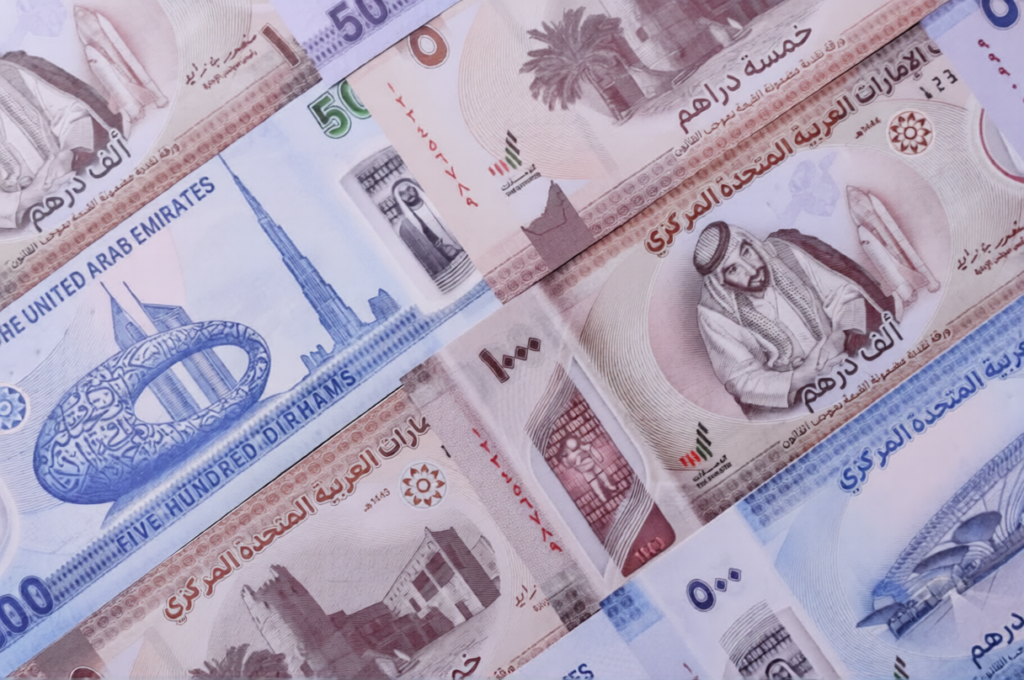
The UAE Dirham (AED) is pegged to the US dollar at about 3.67 AED per USD. Exchange rates at airports are terrible; withdraw cash from ATMs instead or use credit cards (widely accepted).
Time your visit: Summer prices drop significantly—hotels discount 40-60% in July-August. Yes, it’s hot, but everything is air-conditioned, and pools/beaches are still usable early morning and evening.
Look beyond Dubai: Abu Dhabi, Sharjah, and Fujairah offer similar experiences at 30-50% lower costs.
Friday brunch: If you’re going to splurge once, do it on a Friday brunch. For 250-450 AED ($70-125), you get unlimited food and drinks (including alcohol) for 3-4 hours. It’s a UAE institution.
Major Highlights: The Bucket-List Experiences
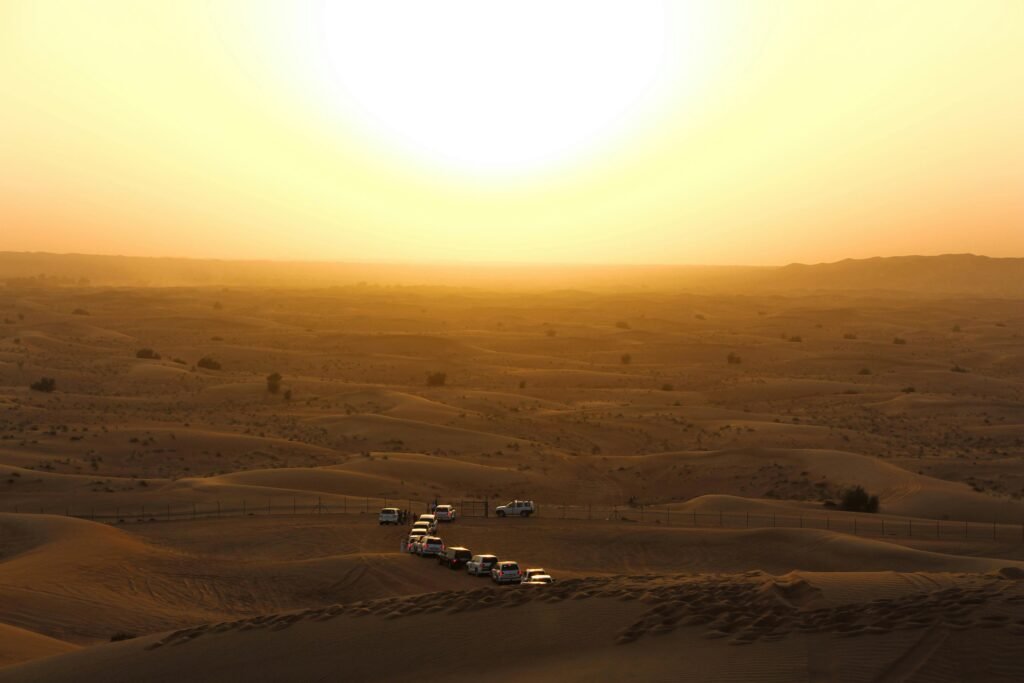
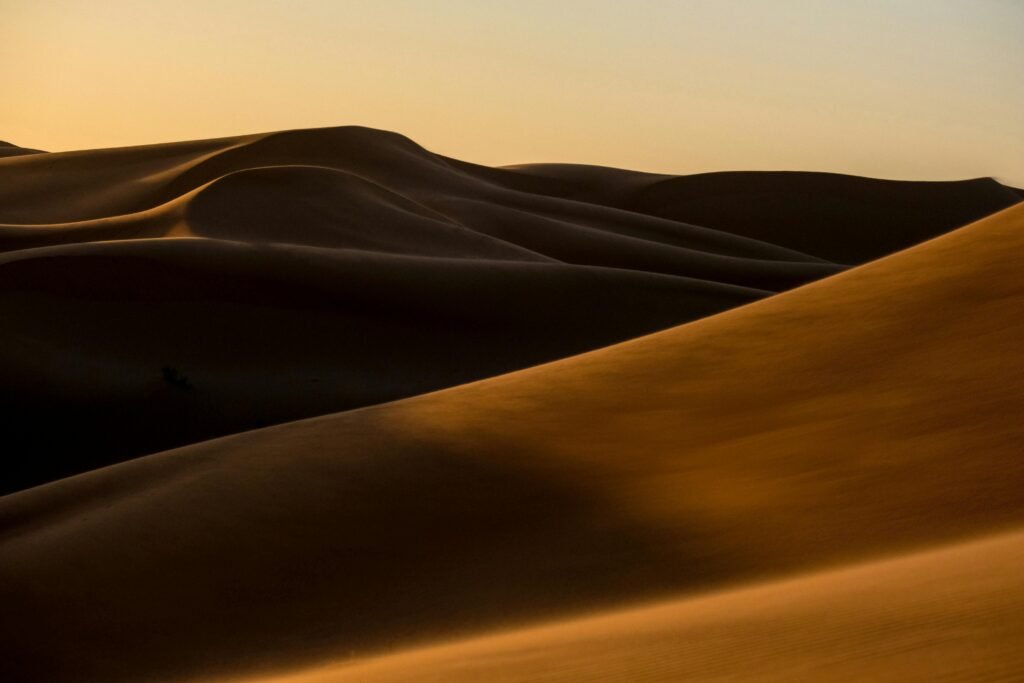
This is the number one must-do, and I’m not exaggerating. The Arabian Desert is hauntingly beautiful, and a proper safari combines adrenaline with cultural immersion.
What it involves: 4WD dune bashing (basically a roller coaster over sand dunes), camel riding, sandboarding, sunset watching from the dunes, then evening at a Bedouin-style camp with traditional dinner, henna painting, falconry displays, and entertainment.
Logistics: Tours range from budget group experiences (150-250 AED/$40-70) to private luxury safaris (1,500+ AED/$400+). Most pick up from Dubai/Abu Dhabi hotels around 3 PM and return by 9 PM.
Where to book: GetYourGuide and Viator both offer verified operators. I went with Platinum Heritage for a more authentic, eco-focused experience—smaller groups, vintage Land Rovers, conservation-focused approach. Pricier but worth it.
Insider tip: Morning desert safaris exist and are less crowded, but you will miss the spectacular sunset that makes this experience truly magical.
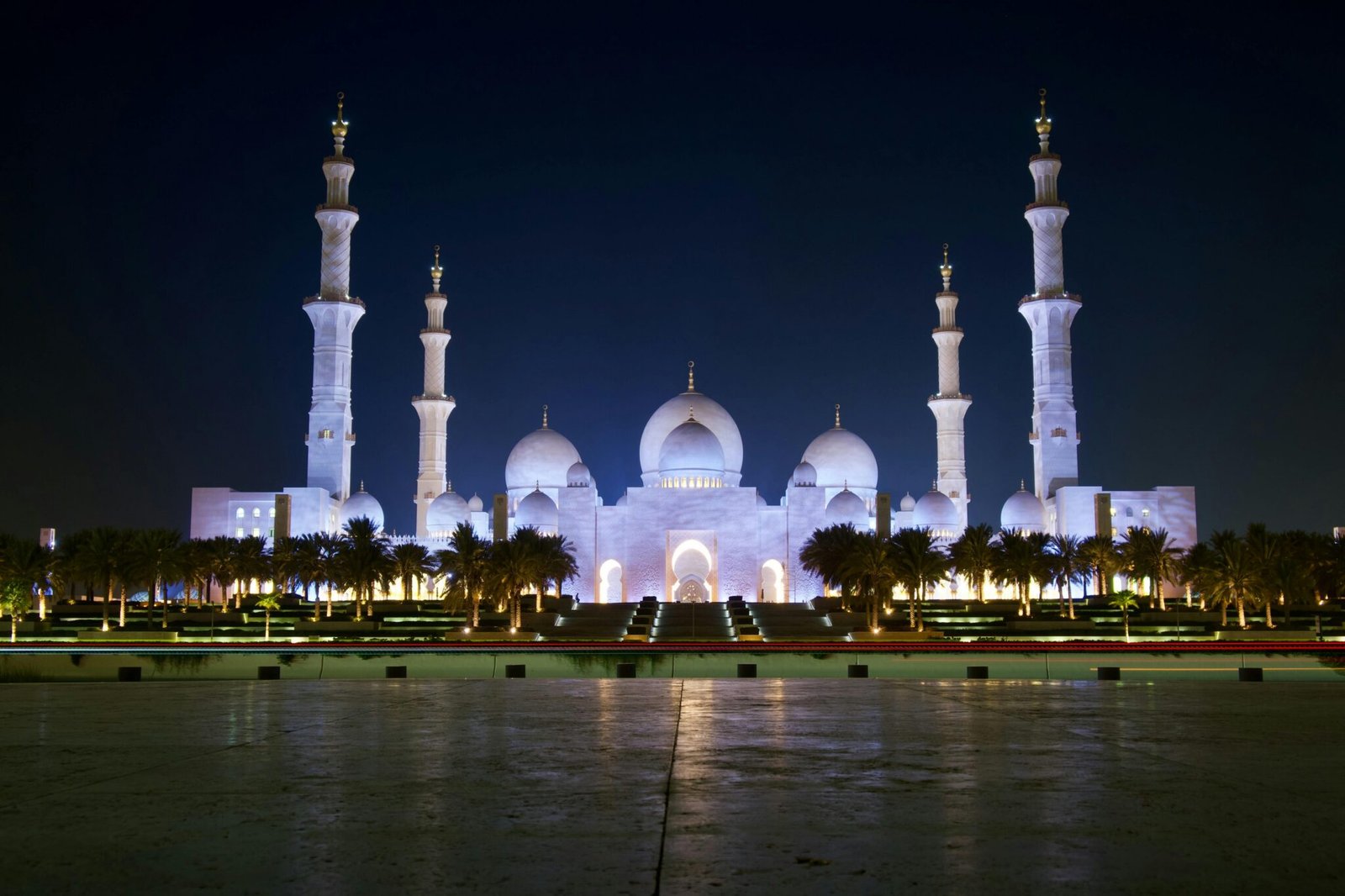
This is the most stunning building I’ve seen in the UAE—and I’m including all of Dubai’s architectural marvels. The mosque accommodates over 40,000 worshippers, features 82 domes, and is decorated with 28 types of marble inlaid with semi-precious stones.
Logistics:
Best time: Evening visits when the mosque is illuminated are breathtaking, but morning light is best for photography.
Getting there: Taxi from Abu Dhabi costs 40-60 AED. If driving from Dubai, it’s a 90-minute trip.
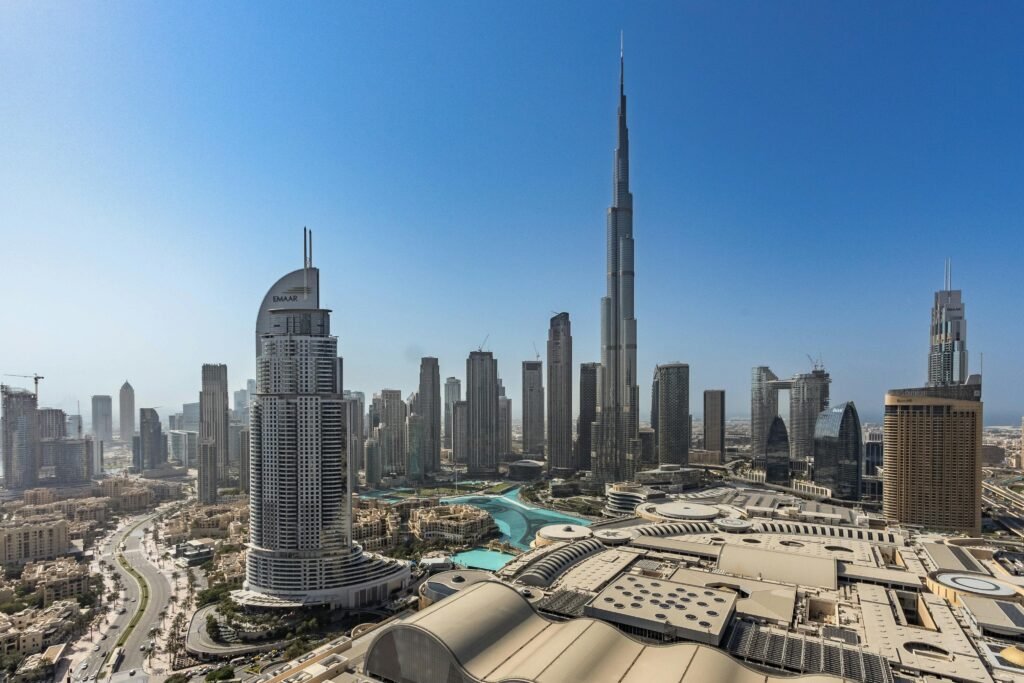
Yes, it’s touristy. Yes, you’ve seen it in a million photos. But standing on the 148th floor of the world’s tallest building (828 meters/2,717 feet) genuinely delivers. On clear days, you can see across the entire emirate and into the desert beyond.
Money-saving tip: Go at off-peak times (early morning or late night) for cheapest tickets and smallest crowds.
While you’re in the area, walk around the Dubai Fountain (free, performs every 30 minutes), explore Dubai Mall (seriously enormous—240,000 square meters), and stroll through Dubai Opera district.
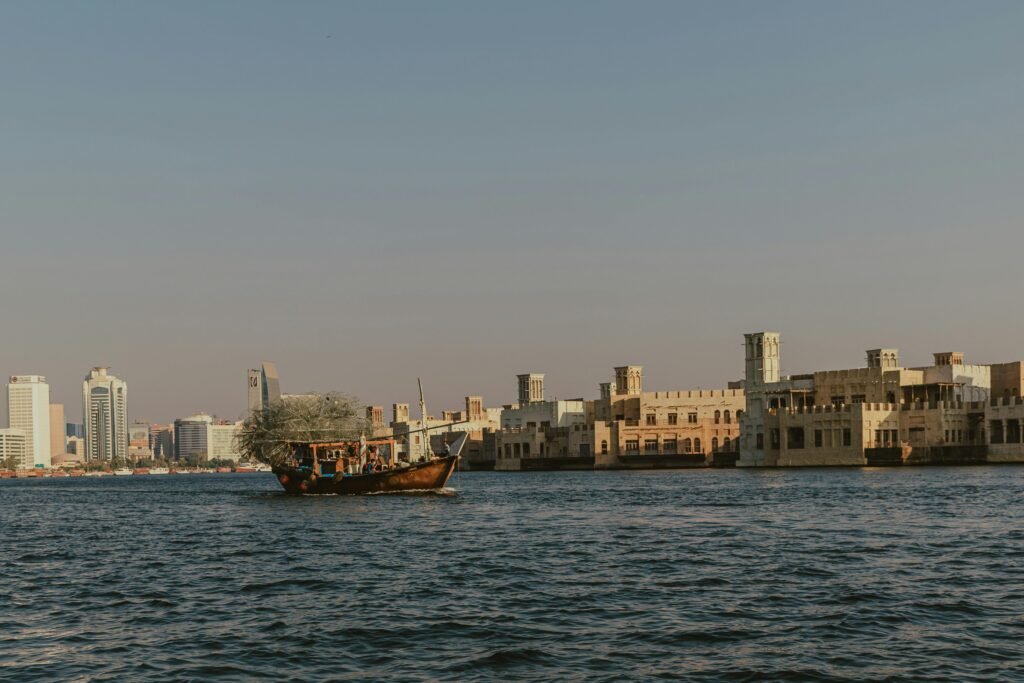
This is where you’ll find actual old Dubai—a refreshing contrast to the futuristic skyline. The Al Fahidi Historical Neighbourhood (formerly Bastakiya) dates back to the 1890s, with traditional wind-tower architecture, narrow lanes, art galleries, and cafes.
What to do:
Time needed: Half day minimum. I spent a full day here on my second visit and still didn’t see everything.
Getting there: Metro to Al Fahidi station, 5-minute walk.
For the adventurous, the Liwa Oasis region offers the most dramatic desert scenery in the UAE—we’re talking Sahara-scale sand dunes, some reaching 300 meters high. This is the northern edge of the Rub’ al Khali (Empty Quarter), the world’s largest sand desert.
This isn’t touristy like the Dubai desert safaris. It’s raw, empty, and genuinely remote exactly what I was craving after the sensory overload of Dubai.
Small & Fun Activities: The Hidden Gems
Kite Beach, Dubai: Free public beach with water sports rentals, food trucks, and the best view of Burj Al Arab. Perfect for sunset. Completely different vibe from the resort beach clubs.
Hatta Mountain Villages: A 90-minute drive from Dubai into the Hajar Mountains brings you to turquoise Hatta Dam, traditional mountain villages, and hiking trails. You can kayak the reservoir or mountain bike through wadis. Hatta Wadi Hub rents all equipment.
Fujairah Beaches: The east coast has the best snorkeling and diving in the UAE. Snoopy Island (named for its shape) is an easy snorkel spot with sea turtles. GetYourGuide offers diving packages from Dubai including transport.
Al Qudra Lakes: Free desert oasis an hour from Dubai, popular with cyclists and photographers. I went at sunrise and saw flamingos, oryx, and hundreds of other birds. Completely unexpected.
Jebel Hafeet, Al Ain: The UAE’s highest peak (1,249m) has a spectacular winding mountain road and 360-degree views from the top. The nearby Al Ain oasis and camel market add cultural flavor. This makes a great day trip from Abu Dhabi (90 minutes).
Friday Camel Races: Free entertainment at racetracks like Al Marmoom (Dubai) or Al Wathba (Abu Dhabi). Races happen Friday mornings during cooler months. Surreal experience watching robotic jockeys controlled by trainers in SUVs racing alongside.
Sharjah Arts Foundation: The UAE’s cultural capital has fantastic free galleries, heritage areas, and the Sharjah Art Museum. No shopping malls, no glitz—just genuine cultural experiences.
Alserkal Avenue, Dubai: Contemporary art galleries in converted industrial warehouses. Free to explore, and there’s a great coffee culture here. First Saturday of each month features special events.
Cultural Experiences Worth Having
Arabic Coffee Ceremony: Many heritage sites and cultural centers offer traditional coffee service with dates. The Sheikh Mohammed Centre for Cultural Understanding in Dubai does excellent programs explaining Emirati culture and Islam.
Emirati Home Dining: Programs like those at the Sheikh Mohammed Centre arrange meals in Emirati homes. You’ll learn about local food, customs, and daily life. Book ahead.
Falconry Displays: Falcons hold deep cultural significance here. Several heritage villages offer displays, or visit the Abu Dhabi Falcon Hospital for tours showing these prized birds receiving medical care.
Pearl Diving Heritage: In coastal towns like Ras Al Khaimah, museums preserve the pearl diving tradition that was the UAE’s economic backbone before oil.
Weather: Gorgeous. 20-30°C (68-86°F) daytime, cooler evenings. Occasional rain possible but rare.
Exclusive Tours For Get Your Guide
Pros:
Cons:
Best for: First-time visitors, beach lovers, outdoor enthusiasts, families
Events:
Weather: Getting warm. 30-38°C (86-100°F). Still manageable with pool breaks.
Pros:
Cons:
Best for: Budget travelers, couples, those wanting to avoid crowds
Weather: Punishingly hot. 40-50°C (104-122°F) with high humidity on the coast. Interior desert is drier but even hotter.
Pros:
Cons:
Best for: Shopaholics, indoor activity lovers, luxury seekers on a budget, those who don’t mind heat
Reality check: I visited in August. It’s doable if you adjust expectations—plan indoor activities midday, outdoor activities only in early morning or late evening, and embrace the pool/beach club culture. But first-timers should really aim for winter.
Here’s my honest take: The UAE isn’t for everyone, but it offers something genuinely unique in the travel world a place where ancient Bedouin culture meets science fiction futures, where you can ride camels in the morning and dine in Michelin-starred restaurants at night, where the desert’s harsh beauty sits alongside some of the world’s most ambitious architecture.
Yes, parts feel artificial. Yes, the consumerism can be overwhelming. But beneath the glitz, there’s real substance. The hospitality is genuine, the safety is unparalleled, and the diversity is fascinating—where else can you meet people from 200+ nationalities in a single day?
The UAE delivers best value for:
It’s less ideal for:
Respect the culture: This isn’t a police state, but it’s a conservative Muslim country. Dress modestly in public areas . No public displays of affection. No public intoxication. Follow these basics and you’ll have zero issues.
Download Careem before arrival: It’s the Uber of the Middle East and often cheaper with better coverage.
Friday timing: The Muslim holy day means different hours for attractions and restaurants. Some places close entirely; others open after afternoon prayers. Plan accordingly.
Ramadan considerations: If visiting during the fasting month, eating/drinking in public during daylight is illegal. Hotels will have designated areas, but outdoor activities and restaurant availability are limited. That said, evening iftar feasts are spectacular cultural experiences.
Split your time: Don’t just do Dubai. Add Abu Dhabi (2 days minimum) for culture and the mosque. Consider Ras Al Khaimah or Fujairah for mountains and beaches. The emirates are small, you can see multiple in a week.
Book desert safaris and Burj Khalifa in advance: Walk-up prices are higher, and peak times sell out.
Summer strategy: If visiting in summer, book beach resorts with good pools rather than city hotels. You’ll be in water more than you think.
Transport planning: For Dubai only, use metro and ride-hailing. For multi-emirate exploration, rent a car through GetRentalCars.com. The flexibility is worth it.
Accommodation booking: Expedia has the best selection for hotels. Airbnb works well for longer stays or if you want apartment space with kitchens to save on meals.
The UAE surprised me both times I visited. It’s easy to be skeptical of a place that built so much so fast, but there’s something genuinely impressive about what’s been achieved here—and something deeply human in the hospitality you’ll encounter once you look past the Instagram facade.
Whether you come for the architecture, the desert, the safety, or just a comfortable introduction to the Middle East, you’ll leave with stories that don’t fit the stereotypes. That’s exactly what good travel should do.
Now stop reading and start booking. The desert is waiting, the call to prayer will soon echo across the souks, and somewhere in Dubai, a new building is reaching even higher into that impossibly blue Arabian sky.
SAFE TRAVELS!!