

$ 0.00
0
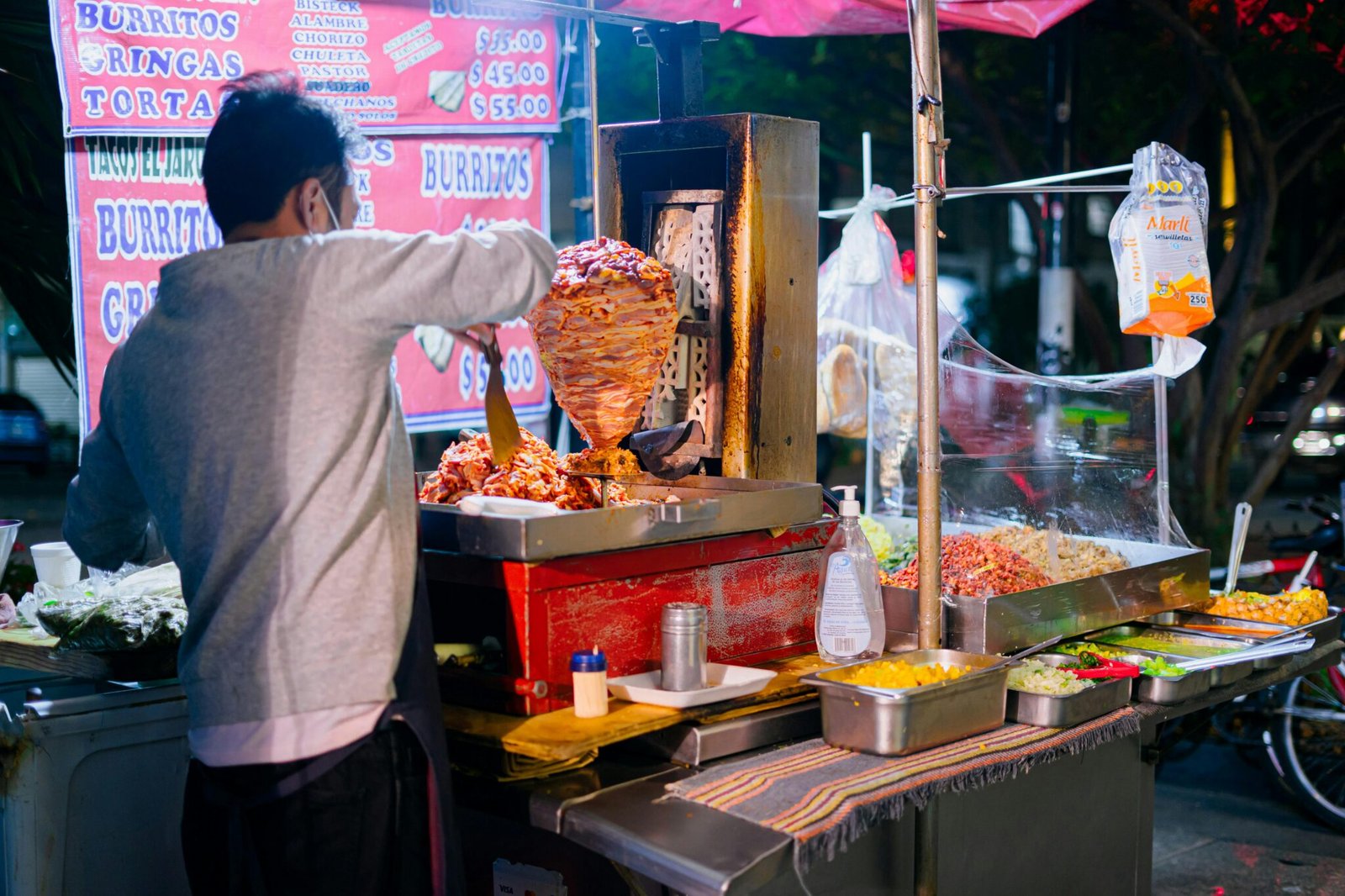
The moment you bite into your first taco from a street cart in Mexico City—the kind where the abuela has been perfecting her recipe for 40 years—you realize everything you thought you knew about Mexican food was wrong. That’s Mexico in a nutshell: a country that consistently exceeds expectations, blending ancient civilizations, colonial charm, pristine beaches, and some of the world’s most vibrant cuisine into one incredibly diverse destination.
I’ve visited Mexico twice now, and each trip revealed completely different sides of this massive country. My first journey focused on the Yucatán Peninsula’s turquoise cenotes and Mayan ruins, while my second took me through the colorful colonial cities and food markets of central Mexico. What surprised me most? How affordable it is, how safe I felt in tourist areas, and how much ground there is to cover—Mexico is almost three times the size of Texas.
Why Mexico Should Be on Your Radar
Mexico offers something most destinations can’t: accessibility for North Americans (a 2-4 hour flight from most US cities), incredible value for money, year-round sunshine in many regions, and enough diversity to satisfy beach lovers, history buffs, foodies, and adventure seekers alike.
The country spans two coastlines—the Pacific and Caribbean—plus mountainous highlands, colonial cities perched at 7,000+ feet, sprawling metropolises, and some of the Western Hemisphere’s most important archaeological sites. You can literally snorkel the world’s second-largest barrier reef in the morning and explore ancient Mayan pyramids by afternoon.
The Vibe
Mexico pulses with energy. Markets overflow with colorful produce and handmade crafts, street food vendors operate on nearly every corner, music echoes from plazas, and families gather in public spaces well into the evening. Mexicans are generally warm, family-oriented, and genuinely helpful to travelers—especially if you attempt even basic Spanish.
The culture revolves around food, family, and celebration. Expect leisurely meal times, businesses that close for siesta (particularly in smaller towns), and a more relaxed approach to punctuality than you might be used to.
Geography & Climate
Mexico’s geography is incredibly varied:
The country has two primary seasons: the dry season (November-April) and rainy season (May-October). Even during rainy season, showers typically arrive in late afternoon and clear quickly.
Safety & Travel Insurance
This is the question everyone asks, so here’s my honest assessment: Mexico has safety concerns, but they’re highly regional and mostly don’t affect tourists who stick to established routes.
Tourist destinations like Cancún, Playa del Carmen, Tulum, Oaxaca, Guanajuato, San Miguel de Allende, and Puerto Vallarta are generally safe. I walked around these areas at night, used ATMs, and never felt threatened. The Mexican government heavily protects tourist zones because tourism represents a massive portion of their economy.
That said, travel insurance is absolutely necessary for Mexico—not primarily because of crime, but because medical care for foreigners is expensive, flight cancellations are more common, and adventure activities carry inherent risks.
I use SafetyWing for most trips ($45-50/month) or World Nomads when I’m doing more extreme activities. Both cover emergency medical, trip interruption, and lost belongings.
Common-sense safety tips:
Visa Requirements
US and Canadian citizens don’t need a visa for tourist visits up to 180 days. You’ll receive a tourist card (FMM) on your flight or at the border—keep this safe as you’ll need to return it when you leave.
Requirements:
European, Australian, and UK citizens also receive visa-free entry for tourism.
Upon arrival, immigration stamps your FMM with the number of days you’re allowed to stay (usually the full 180, but sometimes less—politely ask for más días if they give you fewer than you need).
Connectivity
Wi-Fi is widely available in hotels, restaurants, cafes, and even many plazas in Mexico. The quality ranges from excellent in tourist areas to spotty in remote locations.
For cellular service, I recommend purchasing a local SIM card upon arrival if your phone is unlocked. Telcel offers the best coverage nationwide, with tourist SIM packages starting around $15-20 USD for 2-3GB of data. You can buy these at the airport or any OXXO convenience store (Mexico’s version of 7-Eleven—you’ll see them everywhere).
Alternatively, international plans from US carriers like T-Mobile and Google Fi include Mexico coverage, though speeds may be throttled.
Getting There
Mexico’s main international gateways include:
Mexico City (MEX): The country’s largest hub, served by every major airline
Cancún (CUN): Primary entry point for Caribbean beach destinations
Guadalajara (GDL): Second-largest city, gateway to tequila country
Los Cabos (SJD): Popular for West Coast beach resorts
Puerto Vallarta (PVR): Pacific beach destination
Monterrey (MTY): Northern business hub
From the US, you’ll find direct flights from most major cities. Budget carriers like Southwest, Spirit, and Frontier often have incredible deals (I’ve seen round-trips from Houston to Cancún for under $200).
From Canada, Air Canada, WestJet, and various charter airlines serve Mexican beach destinations, especially during winter.
From Europe, Aeromexico, Lufthansa, Air France, and Iberia offer connections through major hubs.
Pro tip: Use Expedia or Kiwi.com to compare prices across dates and airports. Flying mid-week (Tuesday/Wednesday) typically costs 20-30% less than weekend departures.
Getting Around Mexico
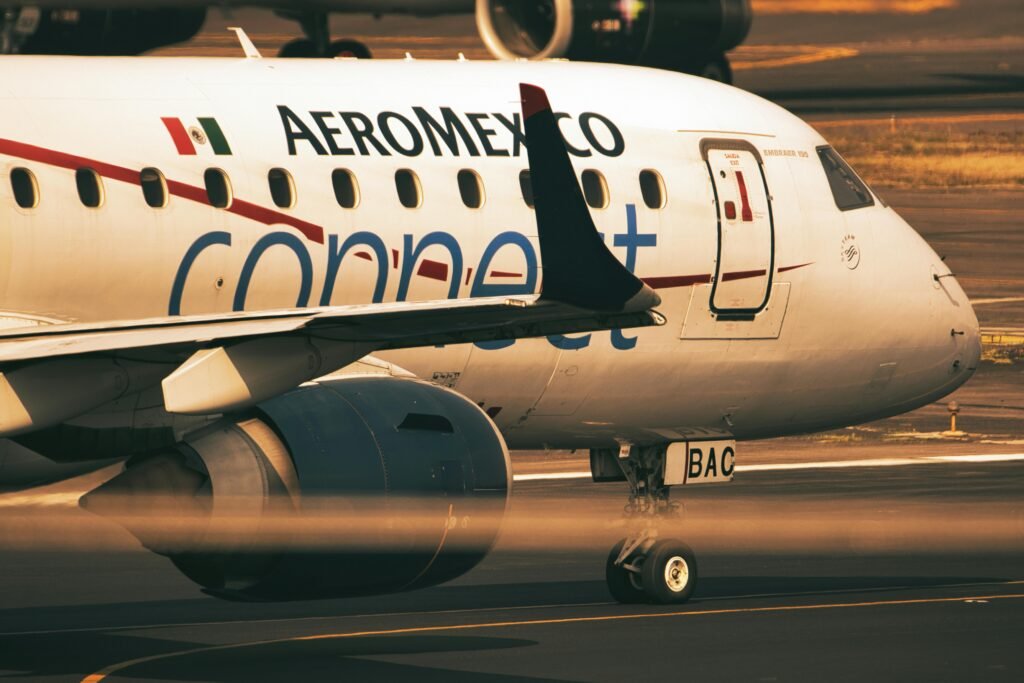
For a country this large, domestic flights make sense for covering long distances. Aeromexico is the flag carrier with the most routes, while budget airlines Volaris and Viva Aerobus offer rock-bottom fares (I paid $35 for Mexico City to Oaxaca).
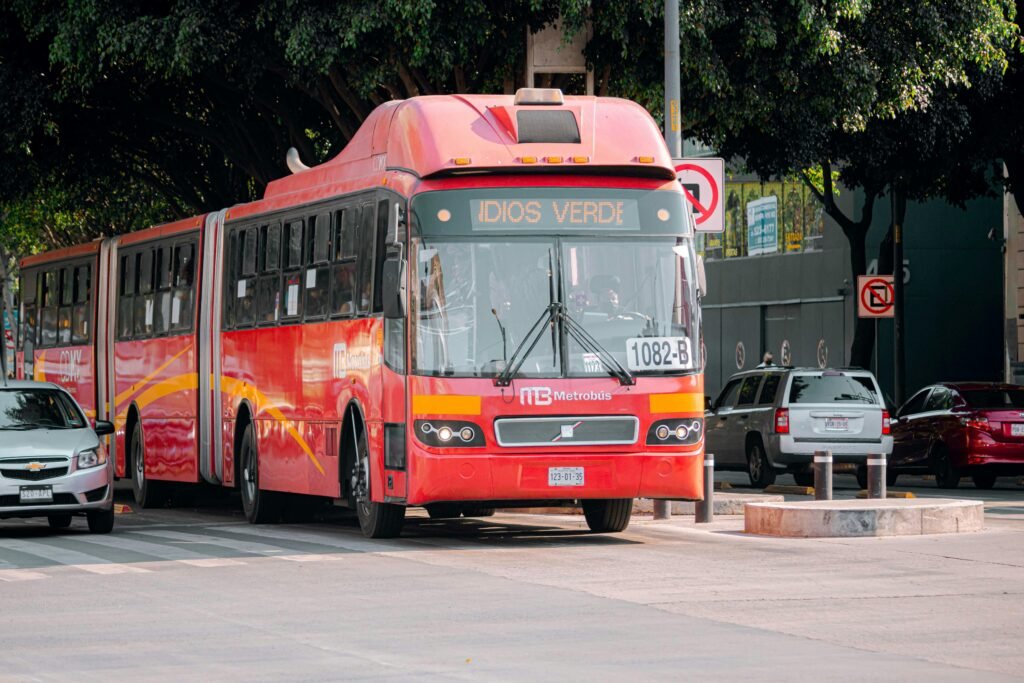
Mexico’s bus system is excellent—often more comfortable than flights and significantly cheaper. First-class buses (Primera Clase) feature reclining seats, air conditioning, bathrooms, and sometimes meals/entertainment. Companies like ADO, ETN, and Primera Plus operate routes nationwide.
Example fares:
Book tickets at BusBud or directly through company websites.
Having a car unlocks Mexico’s smaller towns and hidden beaches. International companies like Avis, Hertz, and Budget operate here, alongside local companies.
Critical rental car tips:
I recommend renting through GetRentalCars, which compares local and international companies and clearly breaks down insurance requirements.
Uber operates in most major Mexican cities and is safer and more reliable than street taxis. Didi (a Chinese app) also works in many locations and sometimes offers better prices.
In tourist areas like Cancún or Los Cabos, you’ll also find colectivos (shared vans) that run fixed routes for $1-2 USD.
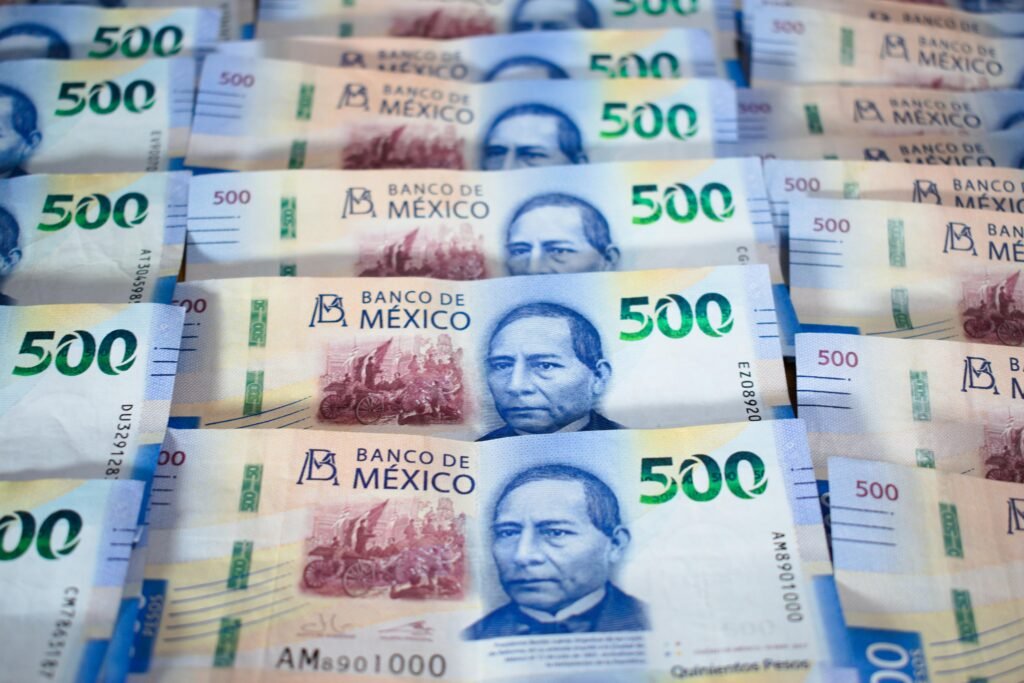
Mexico remains one of the world’s best-value destinations, especially for North Americans. Here’s what to expect per person, per day:
Money-Saving Strategies
Major Highlights: Why People Actually Visit
Mexico protects some of the Americas’ most spectacular archaeological sites. While you could spend weeks visiting them all, these are the must-sees:
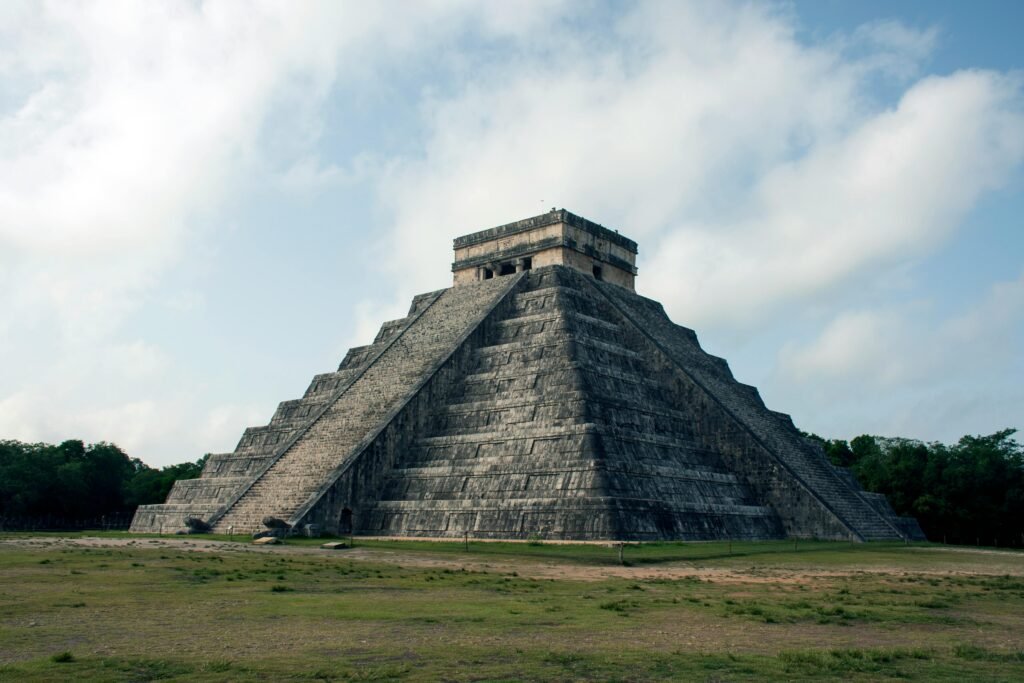
Chichén Itzá (Yucatán): The iconic El Castillo pyramid is one of the New Seven Wonders of the World. The site spans 740 acres and includes the Sacred Cenote, Great Ball Court, and Temple of Warriors. Go early (gates open at 8am) to beat tour buses and heat. Entry: 480 pesos (~$27 USD). Located 120 miles from Cancún (2.5 hours).
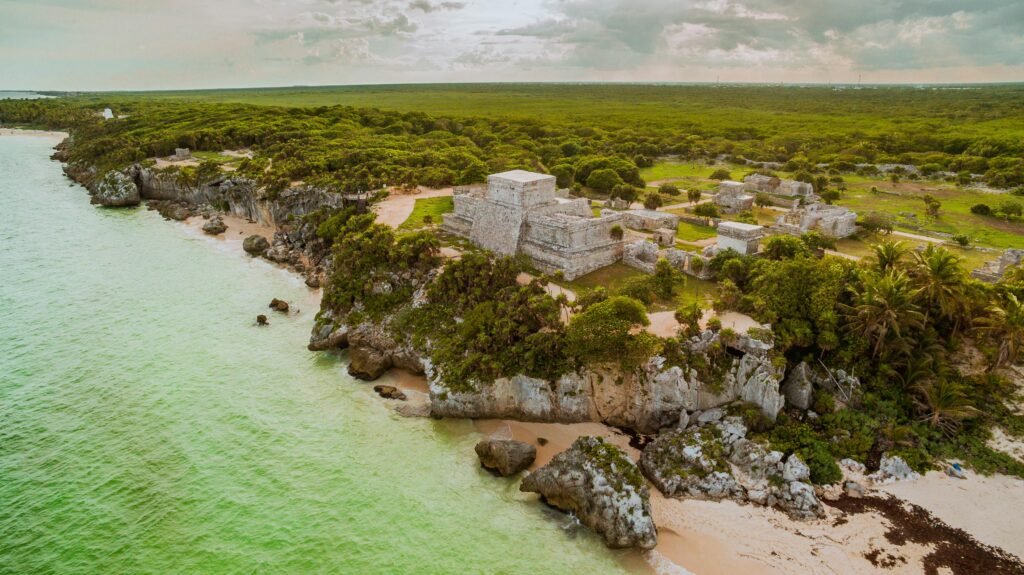
Tulum (Quintana Roo): The only major Mayan site built on the coast, featuring temples perched on cliffs above turquoise Caribbean waters. Smaller than Chichén Itzá but arguably more photogenic. Arrive when it opens at 8am. Entry: 80 pesos (~$4.50 USD). The beach below is accessible and perfect for a post-ruins swim.
Palenque (Chiapas): Deep in the jungle, these ruins feel like an adventure to reach. The Temple of Inscriptions contains hieroglyphic texts that helped scholars crack the Mayan code. Howler monkeys provide the soundtrack. Entry: 80 pesos (~$4.50 USD), but the journey from San Cristóbal de las Casas takes 5 hours.
You can book tours through GetYourGuide or Klook, but I prefer renting a car or taking public buses to visit independently—it’s much cheaper and you can stay as long as you want.
These natural sinkholes filled with crystal-clear freshwater are unique to the Yucatán Peninsula. There are thousands, ranging from open-air pools to underground caves.
Cenote Ik Kil near Chichén Itzá: Open-air with vines cascading down 85 feet to the water. Popular but stunning. Entry: 150 pesos (~$8 USD)
Gran Cenote near Tulum: Excellent for snorkeling, with turtles and incredible light beams. Entry: 500 pesos (~$28 USD)
Cenote Suytun near Valladolid: Features a circular opening that creates a natural spotlight—incredibly photogenic. Entry: 150 pesos (~$8 USD)
Wear biodegradable sunscreen only, as chemicals damage these fragile ecosystems. Many cenotes provide life jackets and lockers.
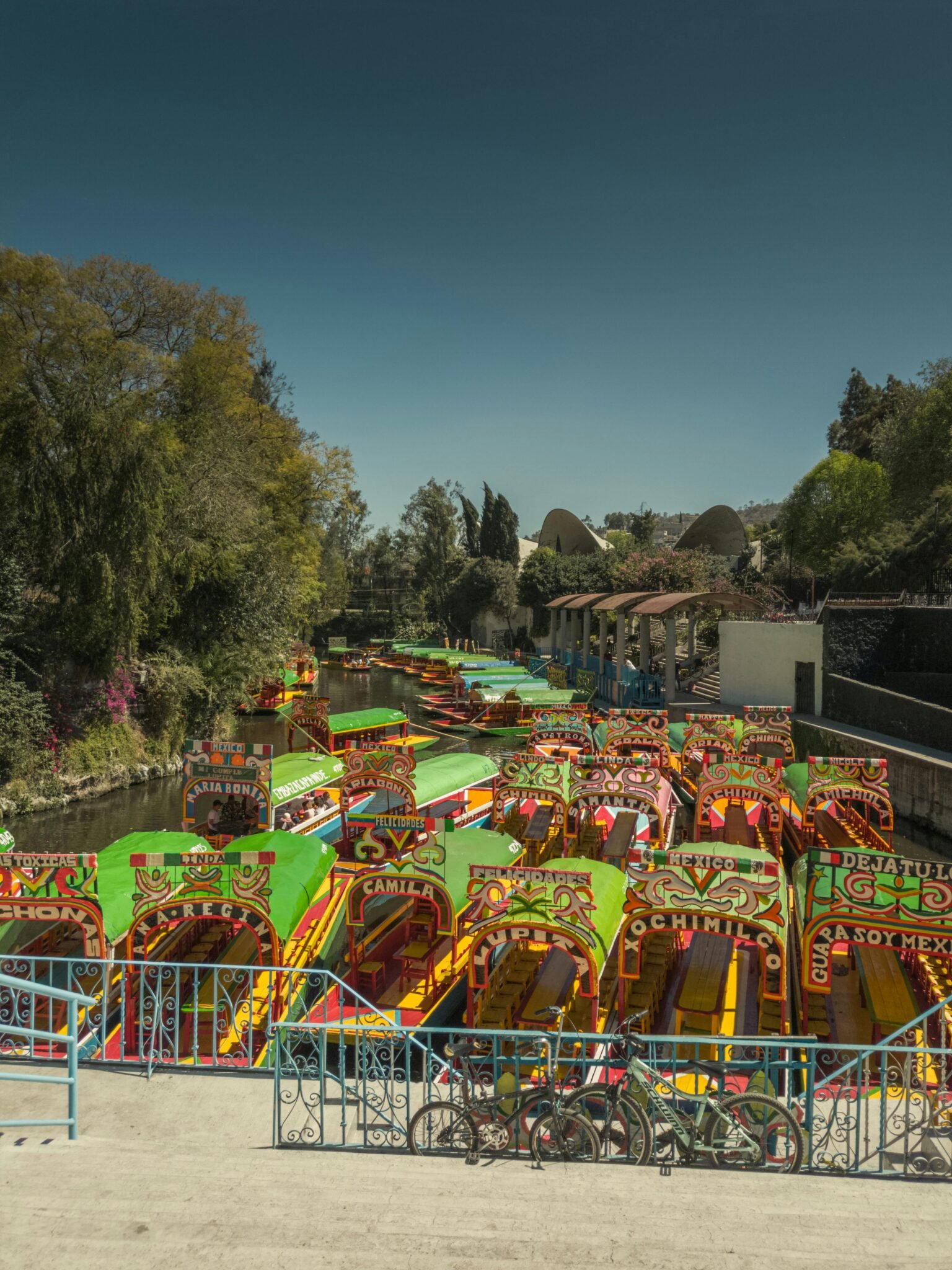
Mexico City (CDMX) is one of the world’s great capitals—a sprawling metropolis of 22 million people offering world-class museums, cutting-edge restaurants, and vibrant neighborhoods.
Don’t miss:
Stay in neighborhoods like Roma Norte, Condesa, or Coyoacán rather than the tourist-heavy Centro Histórico. Book through Airbnb for great value.
Caribbean side (Quintana Roo):
Pacific side:
The Caribbean side has calmer, clearer water ideal for snorkeling. The Pacific has bigger waves, better surfing, and more dramatic sunsets.
The world’s second-largest barrier reef stretches along Mexico’s Caribbean coast. Cozumel offers the best diving in Mexico, with crystal-clear visibility and abundant marine life including sea turtles, rays, and nurse sharks.
A two-tank dive costs $70-100 USD through shops like Scuba Tony or Aldora Divers. Snorkeling trips run $40-60 USD and visit similar areas.
Book diving/snorkeling tours through GetYourGuide or local dive shops (often cheaper when booked directly).
Small & Fun Activities: Local Experiences Worth Having
Learning to make authentic mole, fresh tortillas, or proper salsa from a local cook is time and money well spent. Classes in Oaxaca and Mexico City cost $50-80 USD and include market tours plus a feast at the end. Book through Klook
Millions of monarch butterflies winter in the forests west of Mexico City. The Monarch Butterfly Biosphere Reserve near Angangueo offers the surreal experience of being surrounded by orange clouds of butterflies. Entry: 60 pesos (~$3.50 USD).
If you visit during late October/early November, experience Mexico’s most important holiday. Oaxaca and Pátzcuaro (Michoacán) host the most authentic celebrations, with elaborate altars, cemetery vigils, and street festivals.
Adventure seekers can hike to the rim of Nevado de Toluca (a dormant volcano with two crater lakes) or tackle Iztaccíhuatl or Popocatépetl (requires guides and technical skills). Near Puebla, La Malinche offers a challenging but non-technical summit at 14,636 feet.
Mexico’s size means there’s literally no bad time to visit somewhere in the country, but timing matters for specific regions.
Pros:
Cons:
Best for: First-time visitors, beach holidays, outdoor activities, diving
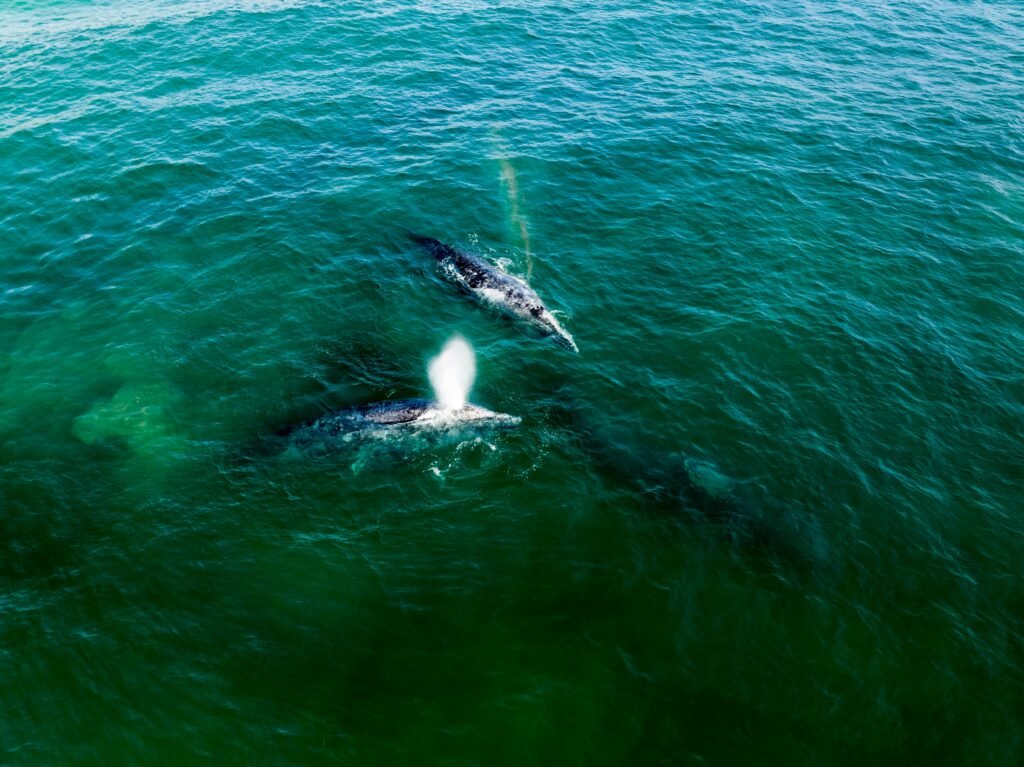
Pros:
Cons:
Best for: Budget travelers, cultural experiences in cities, avoiding crowds
The sweet spot: Decent weather, manageable crowds, and good value. May and September get some rain but not the heavy downpours of July-August. June can be hot but accommodation prices drop significantly.
My recommendation: November or April offers the best balance—excellent weather across most of the country, crowds thinning out after Christmas or before spring break, and reasonable prices. For Mexico City and highland cities, any time November-April is perfect.
Absolutely, and then some. Mexico delivers exceptional value, incredible diversity, and genuinely warm hospitality. Whether you have a week for beaches and ruins or a month to explore colonial cities and cuisine, you’ll find enough to fill your itinerary.
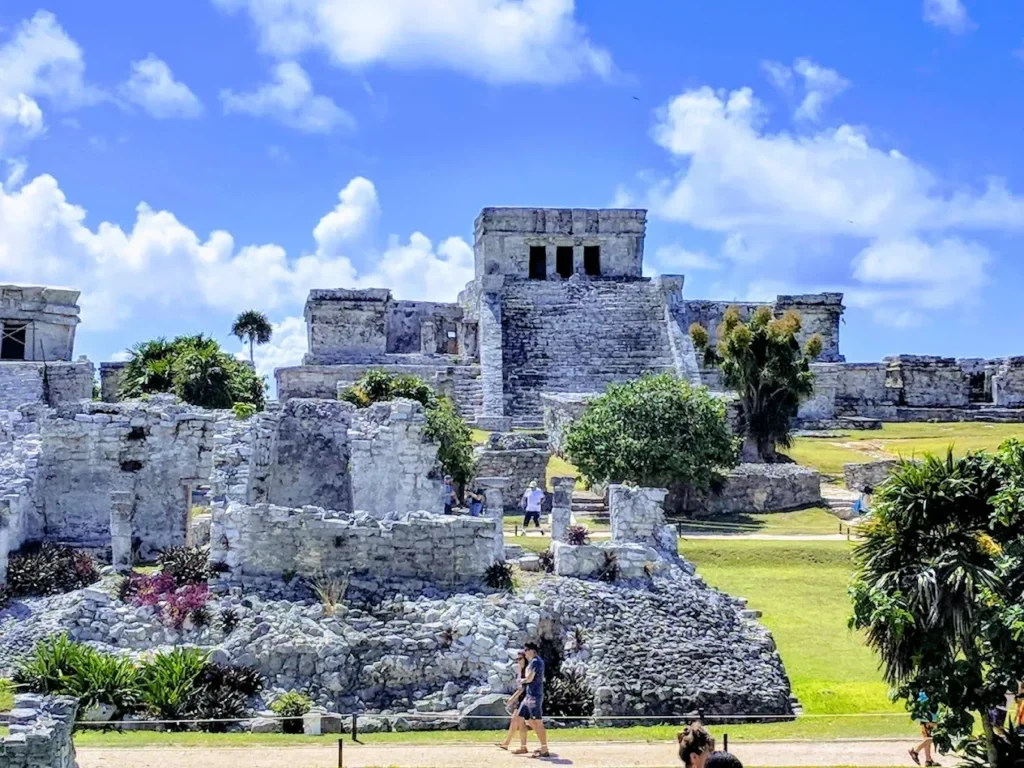
The Mexico you’ll discover bears little resemblance to all-inclusive resort stereotypes. It’s a country where ancient pyramids emerge from jungle canopy, where family recipes have been perfected over generations, where strangers invite you to join their celebrations, and where your dollar stretches further than almost anywhere else.
Start planning, book that flight, and prepare for a country that will almost certainly exceed your expectations. Mexico has a way of turning first-time visitors into repeat travelers—I’m already planning my third trip.
¡Buen viaje!