

$ 0.00
0
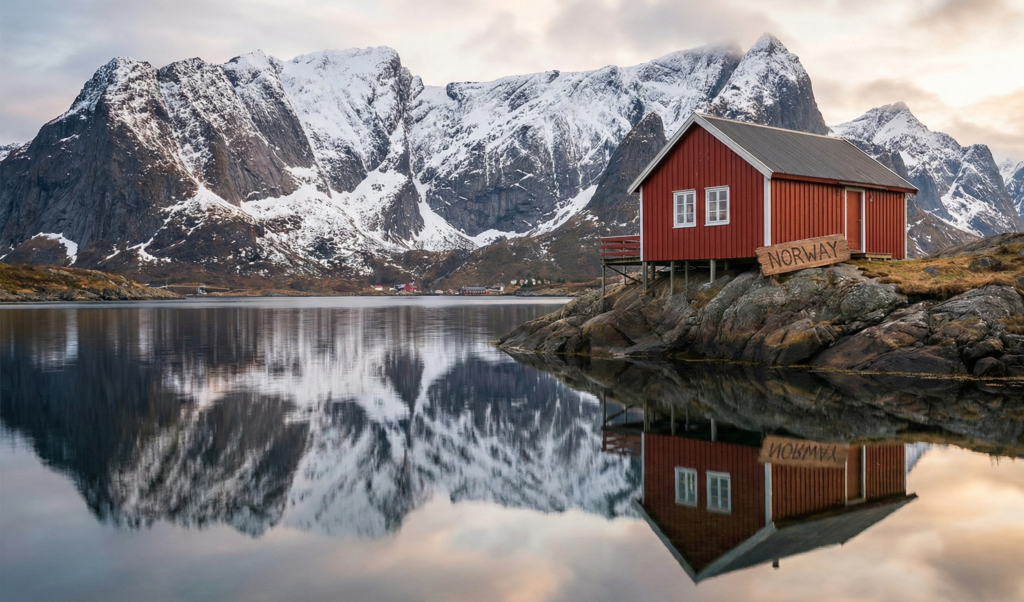
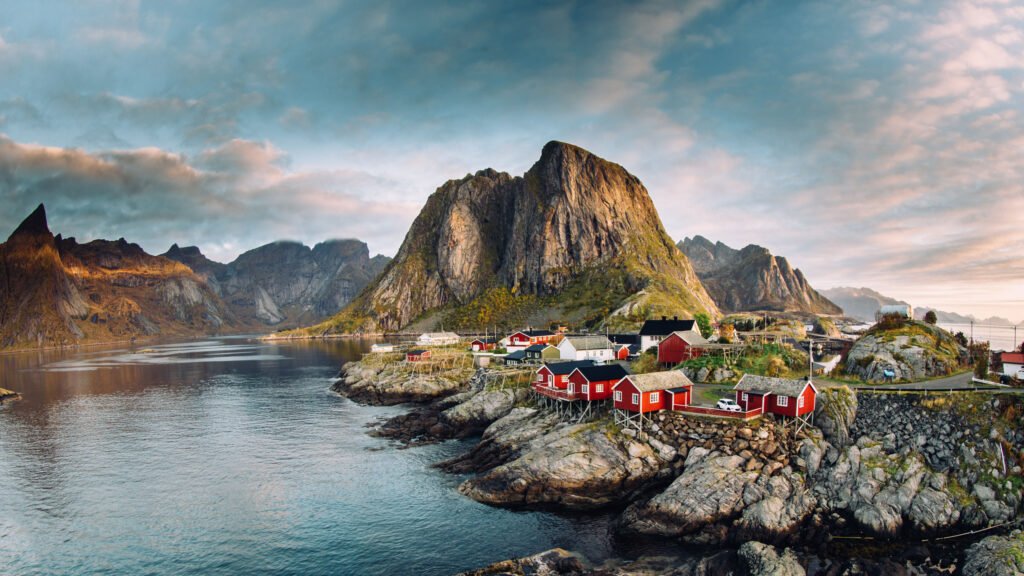
If you’ve ever found yourself doom-scrolling through Instagram travel reels, you’ve likely seen it: a red wooden cabin perched on a jagged rock, reflected in water so still it looks like glass, with a backdrop of snow-capped mountains that seem to touch the heavens. That is Norway.
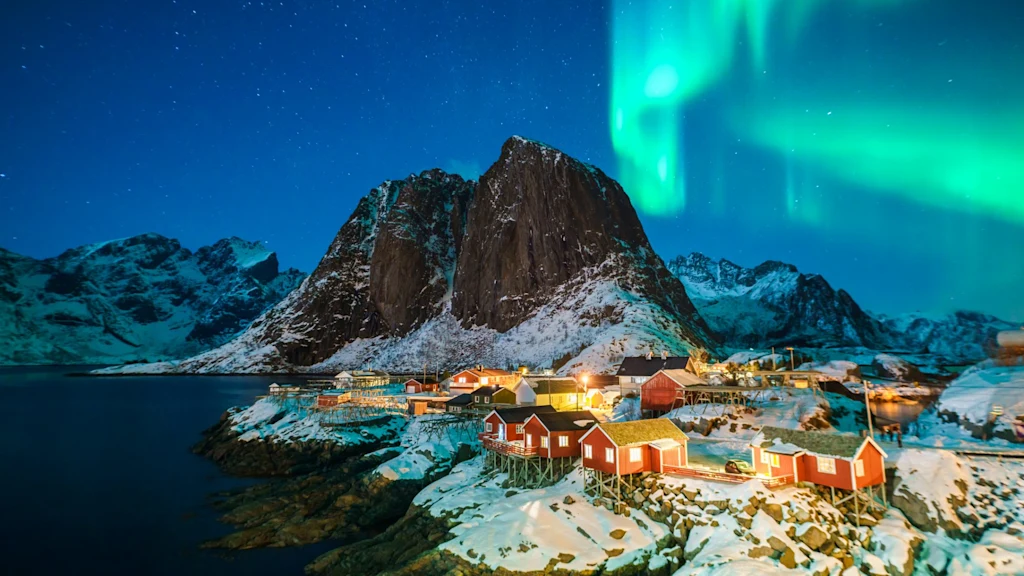
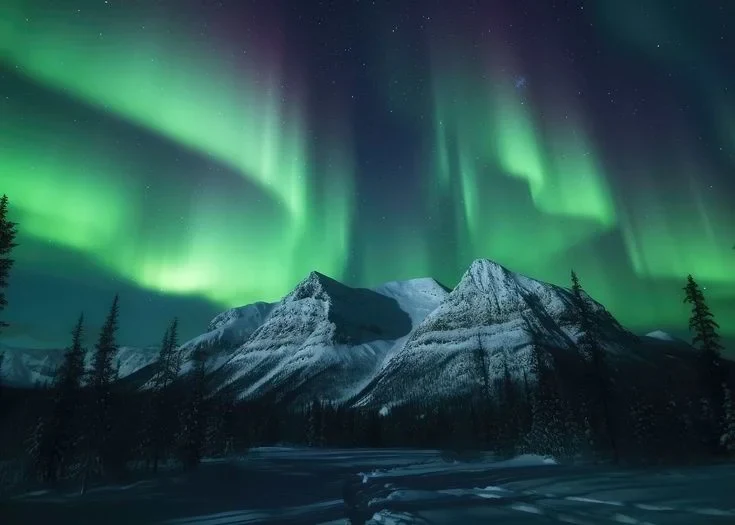
The first time I watched the Northern Lights dance over a frozen Norwegian fjord while sitting in a hot tub, I understood why Norway consistently ranks as one of the world’s most beautiful countries. But I’ll be honest—I almost didn’t come. The reputation for eye-watering prices had me questioning whether Norway was worth the splurge. Spoiler alert: it absolutely is, but only if you plan smartly.
Norway isn’t just expensive scenery. It’s a country where dramatic natural landscapes meet surprisingly efficient infrastructure, where you can hike to glaciers in the morning and explore Viking history in the afternoon, where midnight sun in summer gives way to aurora-filled winter skies. The challenge isn’t finding incredible things to do—it’s navigating the logistics and costs without draining your entire travel fund.
This guide breaks down everything I learned from two trips to Norway (one summer, one winter) about making the most of your Norwegian adventure without selling a kidney to pay for it.
The Vibe
Norway feels refreshingly functional. Public transportation runs on time. Trails are well-marked. People speak excellent English. There’s a quiet confidence to the place—Norwegians don’t need to show off because they know what they’ve got. The culture values nature, equality, and quality of life over flashiness.
Don’t expect loud, chaotic energy. Norwegian cities are calm, orderly, and close their restaurants early (seriously, if you want dinner, plan for 7 PM, not 10 PM). What you should expect is easy access to absolutely stunning wilderness, even from major cities. In Bergen, you’re 10 minutes from hiking trails. In Tromsø, you can see the Northern Lights from the harbor.
Geography & Climate
Norway stretches over 1,750 kilometers from south to north, creating wildly different climates and experiences. The southern coast enjoys relatively mild weather. The far north, where Tromsø sits, experiences polar nights in winter (no sun) and midnight sun in summer (no darkness).
The Gulf Stream keeps coastal temperatures surprisingly moderate, but that also means rain—Bergen gets over 200 rainy days annually. Inland areas and the north are drier but colder. Summer temperatures range from 15-25°C (59-77°F) in most tourist areas. Winter drops to -5 to 5°C (23-41°F) along the coast, much colder inland and in the north.
Pack layers. Always. I made the mistake of assuming “summer” meant leaving my warm jacket at home. Even in July, mornings on the fjords are chilly.
Safety & Travel Insurance
Norway is one of the safest countries on Earth. Crime rates are exceptionally low. The biggest risks are nature-related: hiking accidents, weather changes, or wildlife encounters (though attacks are extremely rare).
Should you get travel insurance? Yes, and here’s why: Medical care in Norway is expensive for non-EU visitors. A hospital visit can easily cost $500-2,000+. If you need a helicopter rescue from a hiking trail (which happens more than you’d think), you could be looking at $5,000-10,000. Weather frequently disrupts flights, especially in winter, and travel insurance covers those delays and cancellations.
I recommend World Nomads for comprehensive coverage including adventure activities, or SafetyWing if you’re a digital nomad or longer-term traveler. Both cover hiking, Northern Lights tours, and winter activities that many basic policies exclude.
If you’re from the EU, bring your European Health Insurance Card (EHIC), but still consider supplemental coverage for activities and trip cancellation.
Visa Requirements
Norway is part of the Schengen Area but not the EU. Citizens of the US, Canada, Australia, New Zealand, and UK can visit visa-free for up to 90 days within any 180-day period. You’ll need a passport valid for at least three months beyond your planned departure.
EU/EEA citizens can enter with just a national ID card and stay indefinitely.
Other nationalities should check if they need a Schengen visa, which you’ll apply for through the Norwegian embassy/consulate in your country, typically 2-3 months before travel.
Norway’s cell coverage is excellent, even in remote areas (though far northern regions and some mountain valleys lose signal). The major carriers are Telenor, Telia, and Ice.
Free Wi-Fi is available in most hotels, cafes, and even many public spaces. However, if you’re driving through the fjords or hiking, you’ll want mobile data. I picked up a Telenor prepaid SIM at the airport for around 300 NOK ($28) with 10GB data, which lasted my entire two-week trip.
EU visitors can use their regular mobile plans thanks to roaming agreements. Others should either get a local SIM or use Airlao OR Saily for an affordable eSIM before you arrive.
Norway’s primary international gateway is Oslo Airport (OSL), about 50 km north of the capital. It’s the hub for Norwegian Air and SAS Scandinavian Airlines, with direct flights from major European cities, New York, Los Angeles, and several Asian hubs.
Bergen Airport (BGO) is your second option, ideal if you’re heading straight for the fjords. It has fewer international flights but connects well through Oslo, Copenhagen, and Amsterdam.
Tromsø Airport (TOS) in the Arctic north mostly requires a connection through Oslo but is essential if Northern Lights are your priority.
For flight booking, I always start with Expedia.com to compare options. Budget airlines like Norwegian Air and Wizz Air offer surprisingly cheap routes from Europe (I’ve seen Oslo from London for under $50), but watch for baggage fees—they add up fast.
From North America, expect $400-900 round-trip depending on season. SAS often has the most convenient schedules, while Icelandair offers good deals with a stopover in Reykjavik.
This is where logistics get interesting. Norway’s size means you need to plan transportation carefully.
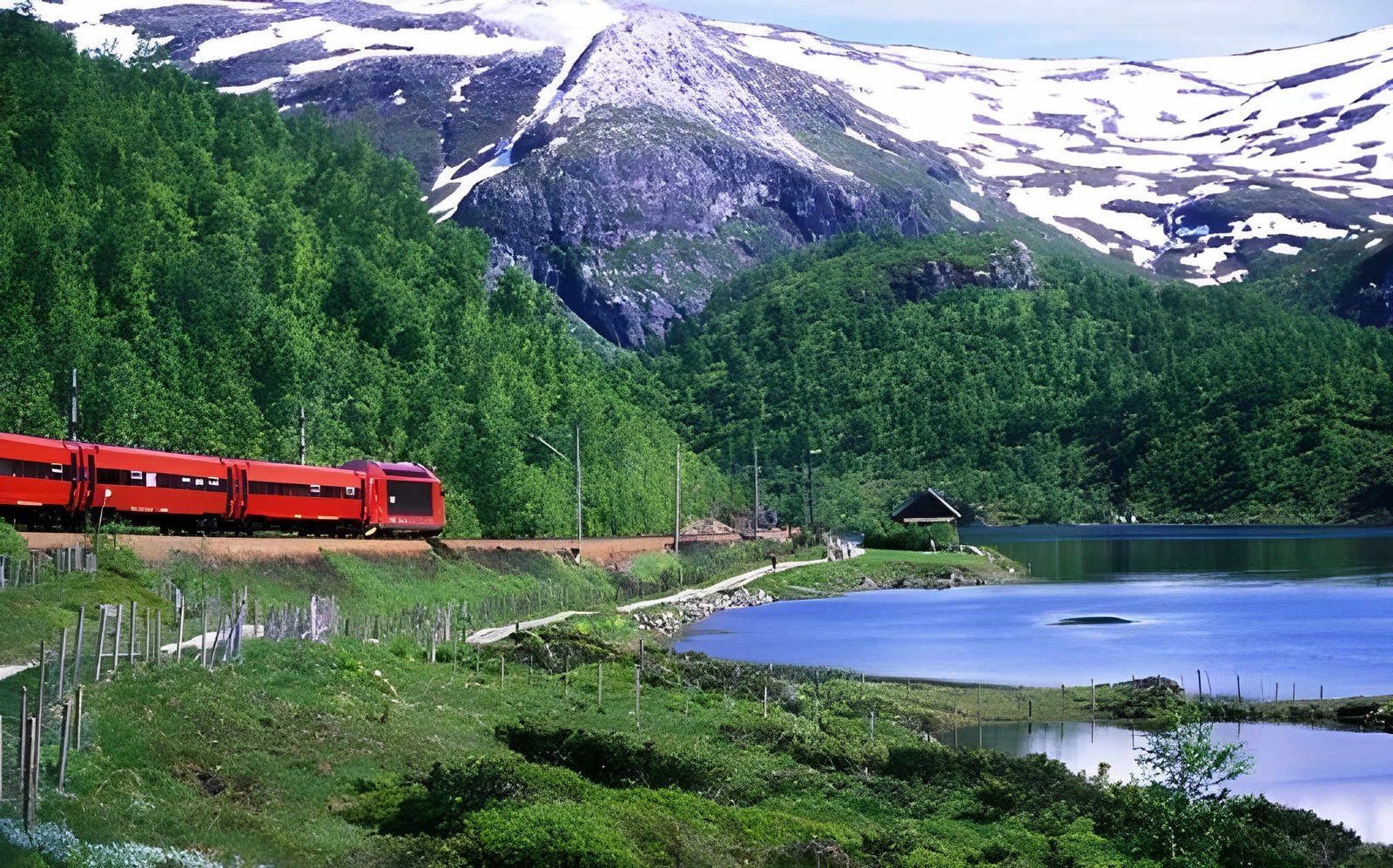
Trains: Norway’s rail network is limited but spectacular. The Bergen Railway connecting Oslo and Bergen is one of Europe’s most scenic train journeys (7 hours through mountains and fjords). The Flåm Railway is a stunning branch line. Book through Vy Norwegian Railways in advance for better prices—expect 500-900 NOK ($47-85) for Oslo-Bergen.
Rental Cars: For fjord exploration, a car gives you unbeatable freedom. Roads are well-maintained, and Norwegian drivers are courteous. I rented through GetRentalCars in Bergen and found good value compared to the international giants. Expect $60-100 per day for a compact car, more in summer. Remember: ferries connect many fjord roads (budget 100-300 NOK per crossing), and tolls are automatic (the rental company bills you later).
Buses: Nor-Way Bussekspress connects cities affordably. Oslo to Bergen by bus costs around 400 NOK ($38) versus 900 NOK by train, though it’s less comfortable.
Domestic Flights: Given Norway’s length, flying between regions makes sense. Norwegian Air has extensive domestic routes. Oslo to Tromsø is 1h50m by air versus 24+ hours by train/bus. Flights run $80-200 if booked in advance.
Ride-Hailing: Uber operates in Oslo but is expensive. Bolt is slightly cheaper. Taxis are regulated and pricey—expect 150-300 NOK ($14-28) for short city rides.
Campervans: For summer road trips, renting a campervan through Indie Campers or Campanda lets you combine transportation and accommodation. Prices start around $100-150 per day, and you can camp for free in most wilderness areas thanks to Norway’s allemannsretten (right to roam).
Let’s address the elephant in the room: Norway is expensive. But “expensive” varies wildly depending on your choices.
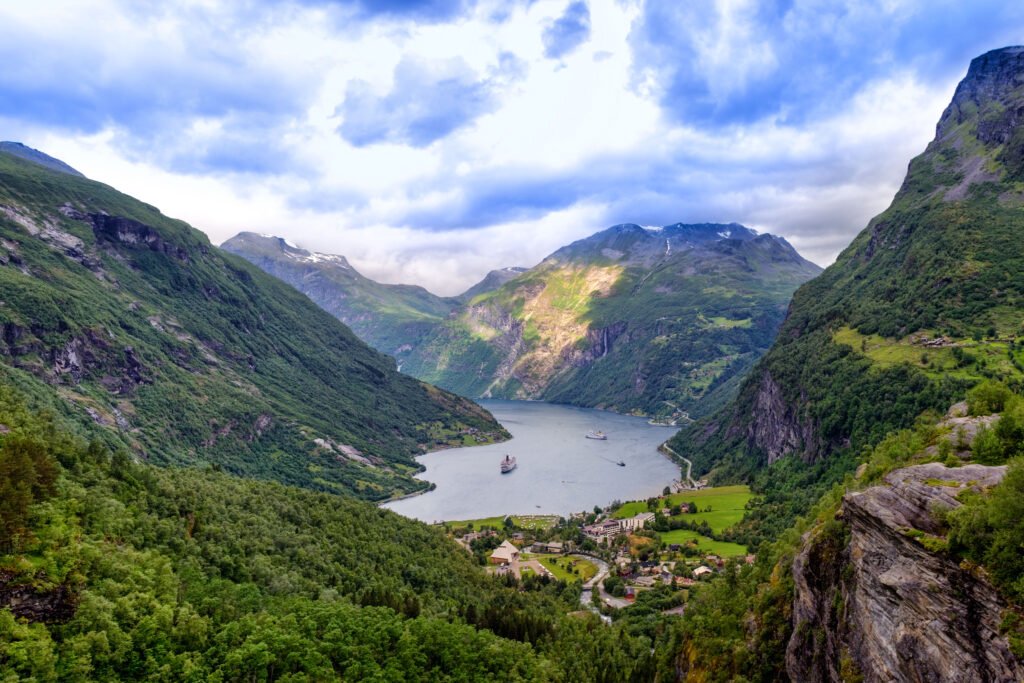
This is the reason most people visit Norway. These deep valleys carved by ancient glaciers and flooded by the sea create landscapes that don’t look real.
Geirangerfjord and Nærøyfjord (both UNESCO sites) are the most famous, but I personally preferred the Sognefjord region around Flåm and Balestrand—equally stunning with fewer tour buses.
How to experience them: You can drive, cruise, kayak, or hike. I booked a fjord cruise through GetYourGuide from Flåm (around 400 NOK / $38 for 2 hours). More adventurous? Rent kayaks in Balestrand and paddle yourself—surreal and peaceful.
The Flåm Railway from Myrdal to Flåm drops 863 meters through 20 tunnels with waterfalls at every turn. Book through Klook.com or combine it with the Norway in a Nutshell tour package, which includes trains, buses, and ferry (1,000-2,000 NOK / $95-190 depending on route).
When to go: June-August for guaranteed good weather, though expect crowds. May and September are beautiful with fewer people.
Seeing the aurora borealis was on my bucket list for years, and Tromsø delivered. This Arctic city is one of Earth’s best aurora-viewing locations, with sightings possible from late September through late March.
Reality check: The Northern Lights are a natural phenomenon. You might see them spectacularly on night one, or you might have cloudy skies for a week. Booking a tour increases your chances because guides chase clear skies.
I used Klook to book a small-group tour (900-1,200 NOK / $85-114). The guide drove us two hours to a clear-sky location, served hot chocolate, and took professional photos (your phone won’t capture them well).
Budget option: Stay several nights and watch for auroras yourself using forecast apps like Norway Lights or My Aurora Forecast. If they’re strong enough, you’ll see them right from Tromsø.
Combine aurora hunting with dog sledding, snowmobiling, or whale watching (November-January) for a full Arctic experience. Book these through GetYourGuide or Klook.
Norway’s allemannsretten (freedom to roam) means you can hike almost anywhere freely. The trails are well-marked and beautifully maintained.
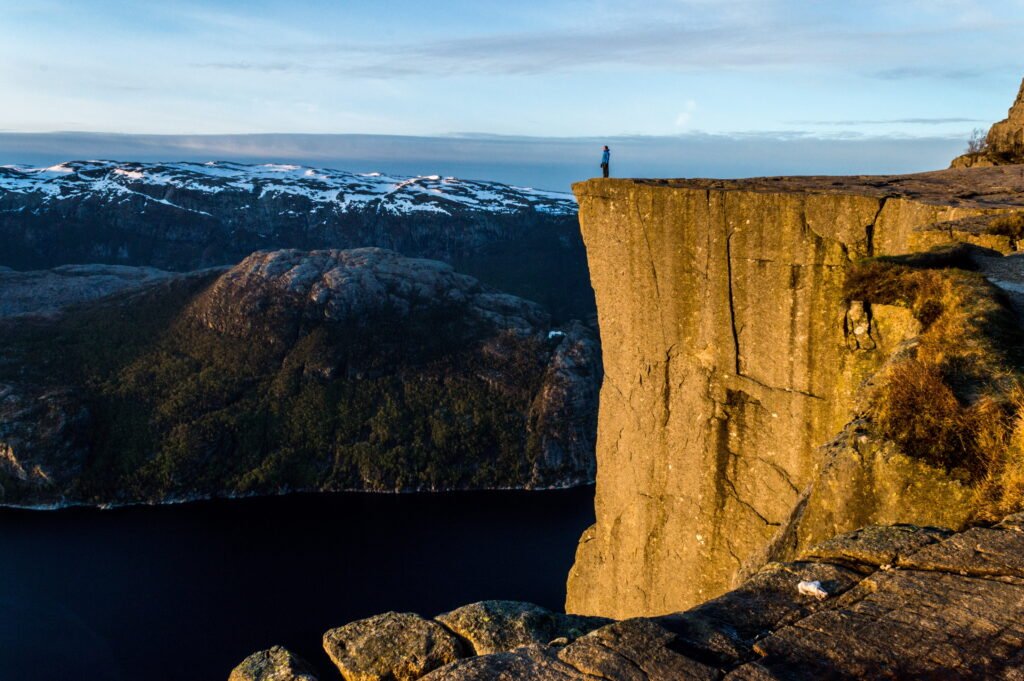
Preikestolen (Pulpit Rock): This flat-topped cliff 604 meters above Lysefjorden is Norway’s most photographed hiking destination. The round-trip hike takes 4-6 hours, rated moderate. Start early to beat crowds (or hike in evening light). Access from Stavanger via bus + ferry.
Trolltunga (Troll’s Tongue): The dramatic rock formation jutting out 700 meters above lake Ringedalsvatnet. This is a serious 22-28km round-trip hike taking 10-14 hours. Only attempt in good weather (June-September) with proper gear.
Romsdalseggen Ridge: My personal favorite, less crowded than Preikestolen but equally spectacular. An 11km ridge walk with 360-degree mountain views near Åndalsnes. Moderate difficulty, 6-8 hours.
Hiking gear: You don’t need specialized equipment for most trails, but good boots, rain gear, and layers are essential.
Bergen feels like a storybook town with its Bryggen wharf of colorful wooden buildings (UNESCO site), fish market, and seven mountains surrounding it. Ride the Fløibanen funicular (100 NOK / $9.50 round-trip) to Mount Fløyen for sunset views over the city and fjords, or hike up free.
Bergen works as both a destination and a base for fjord exploration. I stayed three nights using and found a charming guesthouse in the city center for 800 NOK ($76) per night.
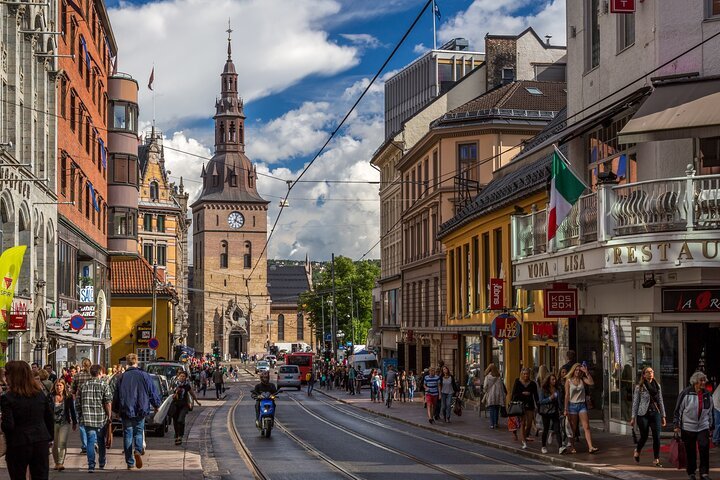
Norway’s capital often gets overlooked, but I found it worth 2-3 days. The Viking Ship Museum houses actual preserved Viking vessels from the 9th century (100 NOK / $9.50). The Vigeland Sculpture Park is free and surreal—over 200 bronze and granite human sculptures.
Don’t miss the Oslo Opera House—walk on the sloping roof for harbor views. For a splurge, try Maaemo (three Michelin stars) or enjoy more affordable New Nordic cuisine at Mathallen food hall.
The Oslo Pass (445-745 NOK / $42-71 for 24-72 hours) includes public transport and museum entry—worth it if you’re hitting multiple attractions.
Hunt for midnight sun: In Tromsø and areas above the Arctic Circle, the sun doesn’t set from late May to late July. Hiking at midnight under golden light is otherworldly and strangely energizing.
Try brown cheese (brunost): This sweet, caramel-colored cheese tastes nothing like regular cheese. Norwegians slice it thin over waffles. Love it or hate it, but try it.
Coastal ferry (Hurtigruten): These working ferries deliver mail and supplies along Norway’s entire coast while carrying passengers. Even a short segment like Bergen to Ålesund (from 1,200 NOK / $114) showcases incredible coastal scenery.
Visit a stave church: Norway’s medieval wooden churches are unique to Scandinavia. Urnes (UNESCO site) and Borgund are particularly well-preserved. Typically 80-100 NOK ($8-10) entry.
Sami culture in the north: Near Tromsø and Karasjok, you can visit Sami camps, learn about indigenous reindeer herding, and stay in traditional lavvu tents.
Go foraging: Norwegians have deep traditions of foraging berries and mushrooms. Join a guided foraging tour near Oslo or Bergen (from 600 NOK / $57).
Atlantic Road: This 8km stretch of road between Kristiansund and Molde spans several islands via dramatic bridges. Perfect for a scenic drive or bike ride.
Soak in hot tubs under Northern Lights: Many northern Norway hotels and tour operators include outdoor hot tub time during aurora tours. The combination of cold Arctic air, hot water, and dancing green lights overhead is unforgettable.
Norway offers completely different experiences by season. Choose based on what you value most.
Pros:
Cons:
Best for: First-time visitors, families, hikers wanting to tackle challenging trails like Trolltunga
Pros:
Cons:
Best for: Budget travelers, photographers, people who hate crowds
This is my pick for best overall time—you get the Norway experience without the peak season drawbacks.
Pros:
Cons:
Best for: Aurora hunters, winter sports enthusiasts, those seeking Arctic experiences
These are genuine off-season months. Weather is unpredictable, many seasonal attractions close, but prices drop significantly. Only recommended for very budget-conscious travelers or those with specific interests (like October Northern Lights without the coldest weather).
My specific recommendation: Late May or early September offers the sweet spot of good weather, manageable crowds, and reasonable prices. If Northern Lights are your priority, late February or early March combines aurora season with increasing daylight.
Here’s my honest take after two trips and many drained bank accounts: Norway is expensive, but the experience-per-dollar ratio is higher than the sticker shock suggests.
Unlike some pricey destinations where you’re paying for exclusivity or luxury service, Norway charges premium prices because of high living standards, wages, and taxes. What you get in return is exceptional infrastructure, safety, cleanliness, and access to some of Earth’s most spectacular natural scenery without it being ruined by overdevelopment.
The fjords genuinely look like nowhere else on the planet. The Northern Lights really are as magical as you’ve imagined. The hiking trails really are that well-maintained and accessible. And yes, you really can drink water straight from mountain streams.
Is it worth going into debt? No. But is it worth saving for and planning carefully? Absolutely.
Norway won’t be your cheapest trip, but it might be your most memorable. There’s something about standing on a cliff edge above a fjord, or watching auroras swirl above a frozen lake, that makes you understand why Norwegians consistently rank among the world’s happiest people. They’ve figured out that some things—clean air, pristine nature, and the freedom to explore it—are worth paying for.
Start saving, start planning, and don’t wait for “someday.” Norway’s glaciers are melting, its seasons are shifting, and the perfect time to go is always sooner than you think.