
$ 0.00
0
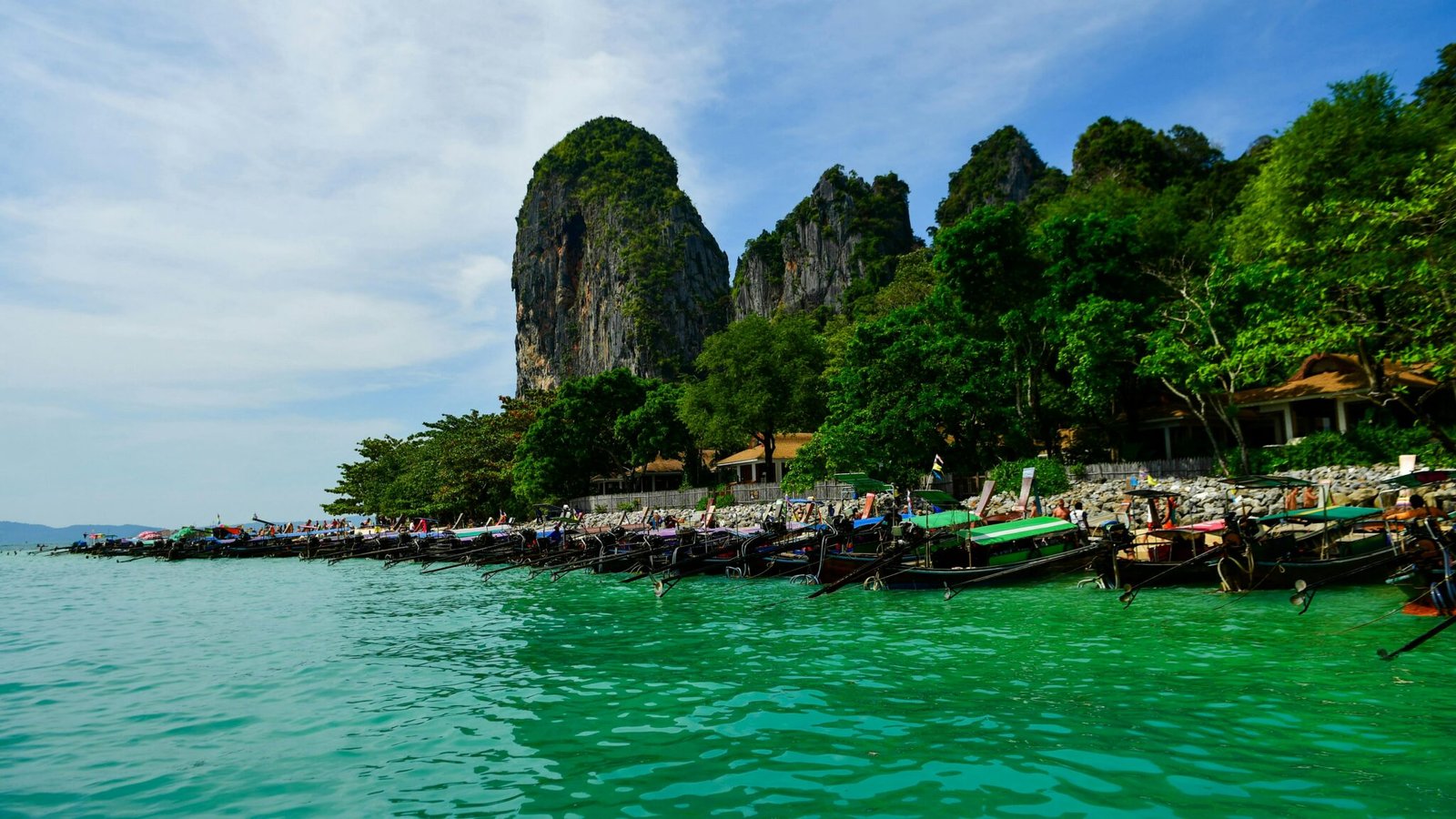
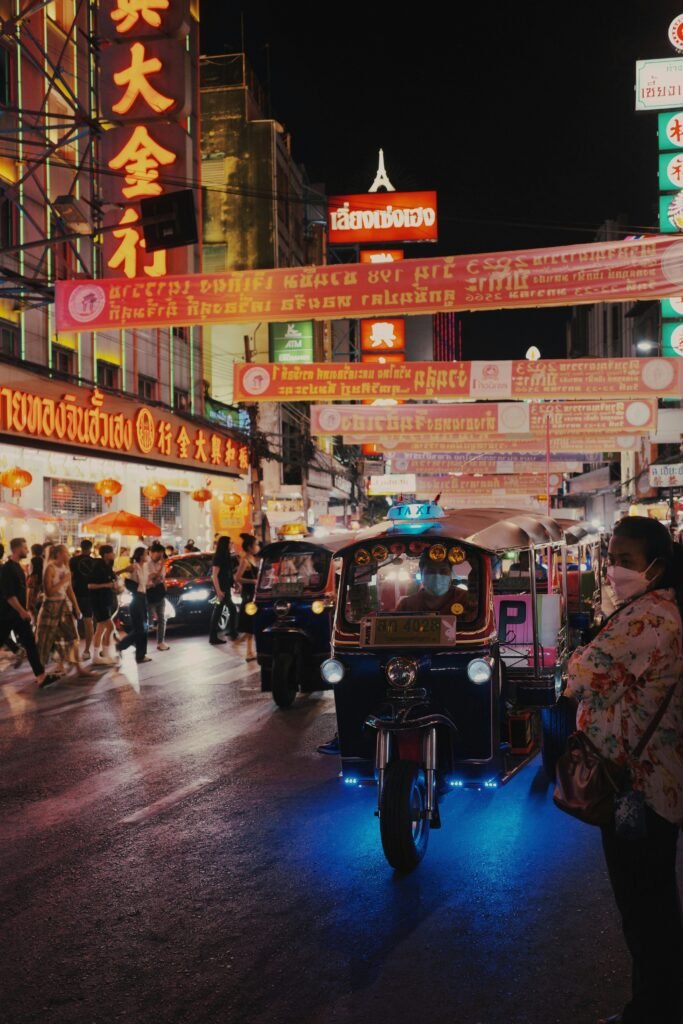
The morning air in Bangkok’s Chatuchak Weekend Market smells like grilled pork skewers and jasmine, while a vendor tries to sell you elephant-print pants you absolutely don’t need (but will probably buy anyway). A thousand miles south, longtail boats cut through turquoise water so clear you can count fish from the surface. This is Thailand—a country that somehow balances ancient temple serenity with full-moon-party chaos, and does both extraordinarily well.
I’ve visited Thailand twice now, and here’s what I’ve learned: it’s almost impossible to have a bad time here, but knowing the logistics makes the difference between a good trip and an absolutely unforgettable one.
Thailand is Southeast Asia’s most accessible destination, and that reputation exists for good reason. The infrastructure works, English is widely spoken in tourist areas, and the learning curve for first-timers is refreshingly gentle. You’ll find ATMs everywhere, 7-Elevens on every corner (seriously, they’re a traveler’s best friend), and a tourism industry that’s been refined over decades.
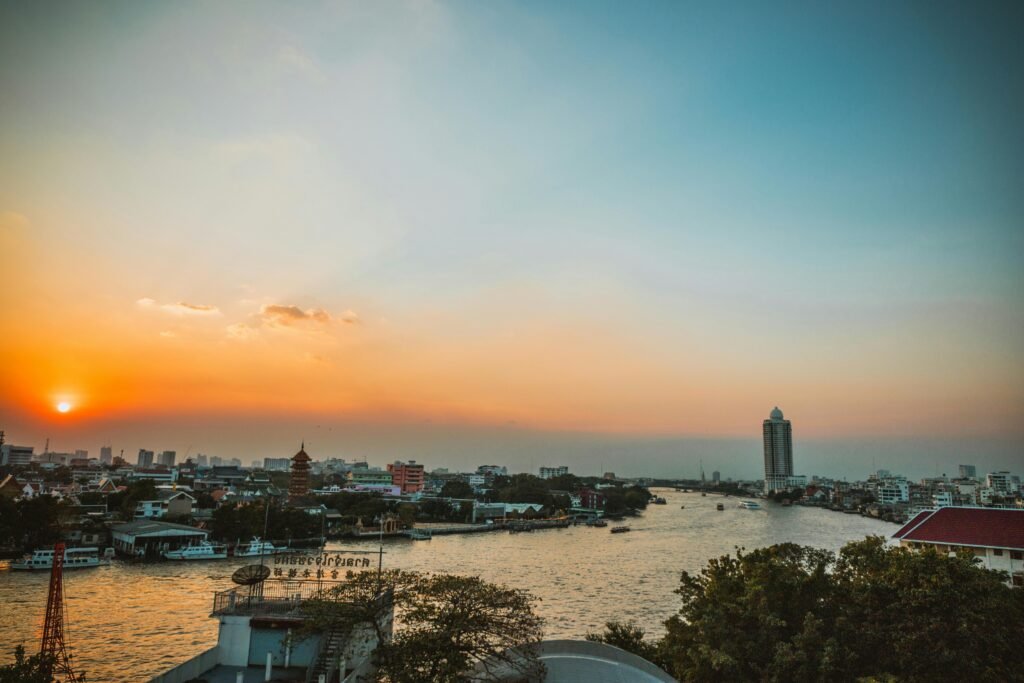
Geography & Climate
Thailand stretches from mountainous northern regions around Chiang Mai down to the tropical islands of the Andaman Sea and Gulf of Thailand. This north-to-south geography means weather varies significantly by region:
The country experiences three main seasons: hot season (March-May with temps hitting 95-105°F), rainy season (June-October with afternoon downpours), and cool season (November-February with “cooler” meaning 75-85°F).
Safety & Travel Insurance
Thailand is remarkably safe for tourists. Violent crime against travelers is rare, and the biggest risks you’ll face are petty theft, traffic accidents, and food-related stomach issues.
Do you need travel insurance for Thailand? Absolutely yes. Here’s why:
I recommend World Nomads [Affiliate Link: World Nomads] or SafetyWing [Affiliate Link: SafetyWing] for comprehensive coverage starting around $40-70 for a two-week trip. If you have a premium credit card, check if it includes travel insurance when you book transportation—cards like Chase Sapphire Reserve offer excellent coverage.
Visa Requirements
For most Western travelers (US, UK, EU, Canada, Australia), you can enter Thailand visa-free for 30 days if arriving by air, or 15 days by land border. You’ll need:
If you want to stay longer, you can extend by 30 days at any immigration office for 1,900 baht ($55), or do a visa run to a neighboring country. The e-visa system also offers 60-day tourist visas for about $40, which you can apply for online before arrival.
Connectivity
Thailand’s internet infrastructure is solid. Free Wi-Fi is available at most hotels, cafes, restaurants, and even many street food stalls. However, data is cheap enough that you should just buy a local SIM card.
AIS and DTAC are the major carriers. At the airport, you can get a tourist SIM with 15GB data for about 400-600 baht ($12-18) that lasts 15-30 days. This will save you countless headaches when navigating with Google Maps or calling hotels.
Getting There
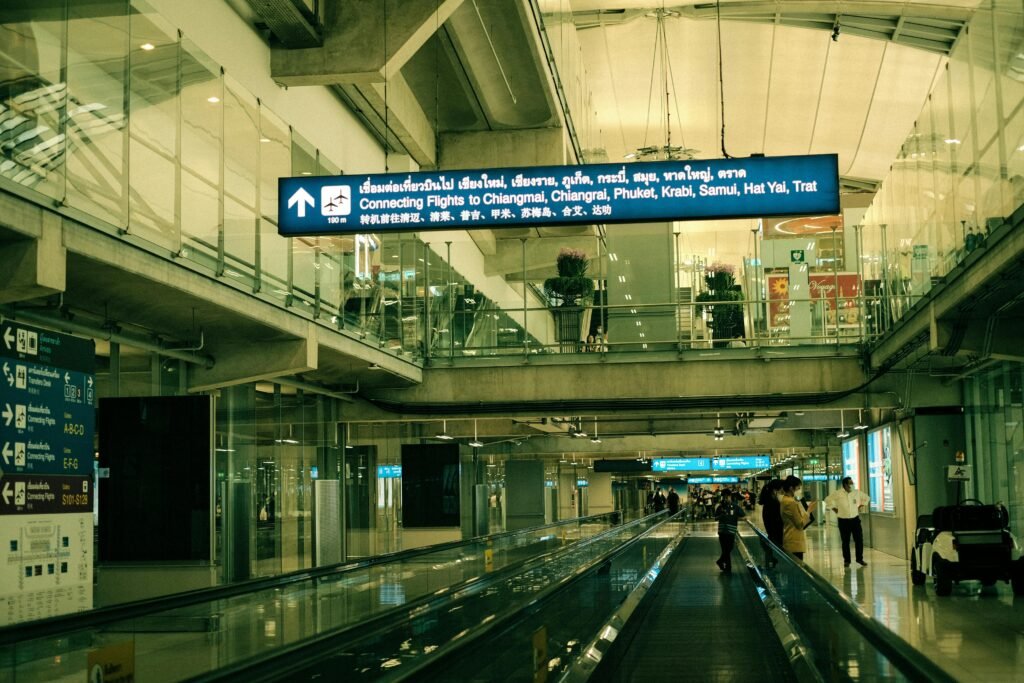
Bangkok’s Suvarnabhumi Airport (BKK) is Thailand’s main international hub, with flights from virtually everywhere. Don Mueang Airport (DMK) handles budget carriers and regional flights. Both are about 30-45 minutes from central Bangkok (without traffic—which is a big “if”).
Chiang Mai (CNX), Phuket (HKT), and Koh Samui (USM) also have international connections, mainly from other Asian cities.
From North America, expect 16-20 hour journeys with one or two stops. Round-trip flights typically run:
Check Skyscanner [Include affiliate link for Skyscanner here] or Google Flights [Include affiliate link for Google Flights here] for the best deals. Airlines to consider:
From Europe, Thai Airways, Lufthansa [Affiliate Link: Lufthansa], and Emirates [Affiliate Link: Emirates] offer good options with flight times around 11-14 hours.
Getting Around Thailand
Domestic flights are cheap and convenient. AirAsia, Nok Air, and Thai Lion Air offer Bangkok-Chiang Mai flights for $30-60, Bangkok-Phuket for $40-80. Book through 12Go [Include affiliate link for 12Go here] to compare all options in one place.
Trains are comfortable for overnight journeys. The Bangkok-Chiang Mai sleeper train costs 600-1,200 baht ($18-35) depending on class, and it’s an experience worth having once. Book via the official State Railway of Thailand website or through 12Go [Affiliate Link: 12Go].
Buses connect everywhere trains don’t. VIP buses with massive seats cost 400-800 baht ($12-24) for long routes. Companies like Nakhonchai Air and Sombat Tour are reliable.
Rental cars make sense for northern Thailand exploration around Chiang Mai and Chiang Rai. Budget [Affiliate Link: Budget Car Rental], Avis [Affiliate Link: Avis], and local company Thai Rent A Car offer vehicles from $25-50/day. You’ll need an International Driving Permit (get one before you leave home for about $20).
Motorbikes are everywhere and rent for 150-300 baht/day ($5-9). I’m cautious about recommending them—Thailand has one of the world’s highest traffic fatality rates. If you do rent one, wear a helmet, drive slowly, and make absolutely sure your insurance covers it (most policies exclude motorbike accidents without a proper motorcycle license).
Grab (Southeast Asia’s Uber) works perfectly in cities. A 20-minute ride typically costs 60-150 baht ($2-5)—absurdly cheap compared to Western countries.

Thailand’s reputation as a budget paradise is well-deserved, but costs vary dramatically depending on where you go and how you travel.
Budget Traveler: $30-50 USD/day
Mid-Range Traveler: $75-120 USD/day
Luxury Traveler: $200-400+ USD/day
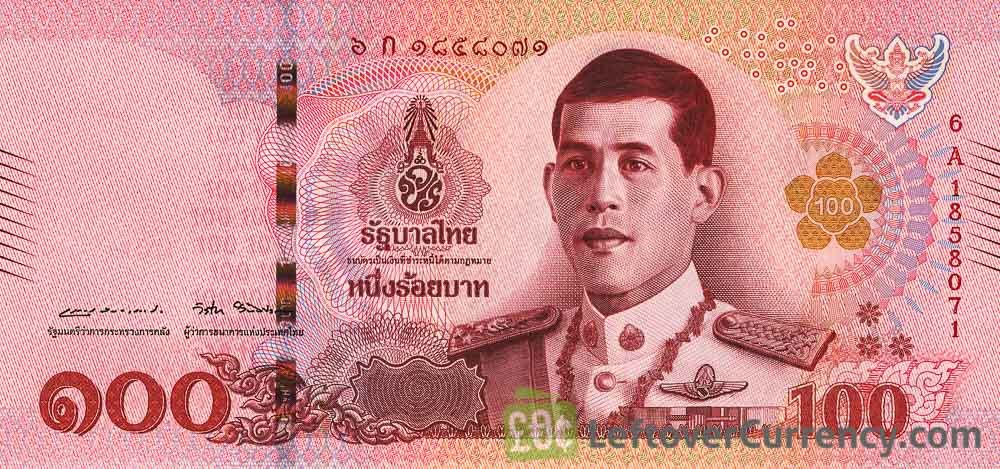
Money-Saving Strategies
Eat where locals eat. That random curry shop with plastic chairs and no English menu? 40 baht for incredible food. The tourist restaurant next door? 200 baht for worse quality.
Stay in less touristy areas. A hotel in Bangkok’s Sukhumvit Soi 11 costs double what you’d pay on Sukhumvit Soi 101, yet the train connects both to the city center in minutes.
Book islands in advance during peak season. Koh Phi Phi and Railay Beach accommodations can triple in price if you show up without booking.
Use the BTS/MRT in Bangkok. Taxis might seem cheap, but traffic is horrible. The 40-baht ($1.20) train ride saves time and money.
Withdraw large amounts from ATMs. Most banks charge 220 baht ($7) per withdrawal, so take out 10,000-20,000 baht at once. Use Schwab Debit Card (refunds all ATM fees) or Wise for best exchange rates.
Major Highlights: The Signature Experiences
1. Bangkok’s Temple Circuit & Street Food Scene
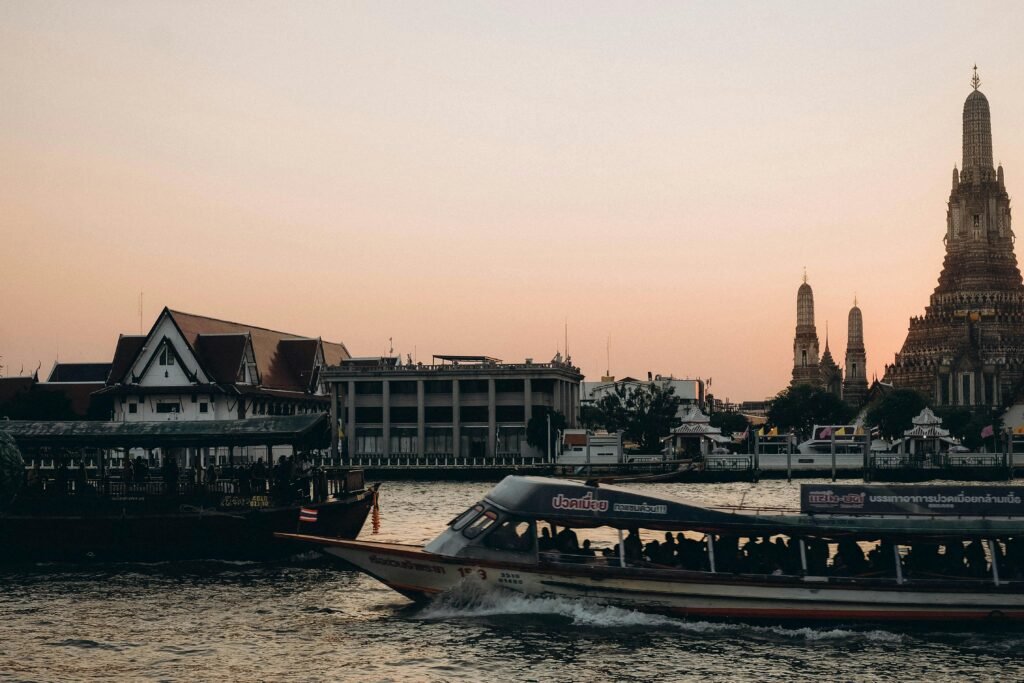
Bangkok overwhelms first-timers, but that’s part of its charm. Wat Pho (the Reclining Buddha) charges 200 baht ($6) entry and offers cheap traditional massages at 260-420 baht/hour. Wat Arun across the river is stunning at sunrise. The Grand Palace is impressive but crowded—500 baht entry and strict dress codes.
But honestly? Bangkok’s real magic is the food. Take a food tour through Chinatown’s Yaowarat Road or the Victory Monument area. GetYourGuide [Affiliate Link: GetYourGuide] and Viator [Affiliate Link: Viator] offer excellent evening food tours for $25-45 that’ll show you dishes you’d never find alone.
Logistics: Stay near BTS stations for easy access. I recommend the Sukhumvit area for first-timers—it’s walkable, safe, and connected.
2. Northern Thailand: Chiang Mai & Chiang Rai Temples
Chiang Mai offers Thailand’s most accessible cultural immersion. Doi Suthep Temple sits atop a mountain with stunning valley views (30 baht entry, 50 baht shared songthaew from the city). The Old City contains dozens of temples within walking distance.
The Sunday Walking Street Market transforms the city center into a sprawling night market—my favorite in Thailand for authentic handicrafts and street food.
Day trip to Chiang Rai to see the bizarre White Temple (Wat Rong Khun) and the Blue Temple (Wat Rong Suea Ten)—both free or donation-based. Tours run $30-50 via GetYourGuide [Affiliate Link: GetYourGuide].
Logistics: Rent a scooter (200-250 baht/day) to explore the surrounding countryside, or book a cooking class (around $30 for a full-day course with market tour)
3. Islands & Beaches: The Real Reason Most People Come
Thailand has hundreds of islands. Here’s the honest breakdown:
Phuket: Overdeveloped but convenient with the airport right there. Patong Beach is party central (skip it if you value sleep). Kata and Karon beaches are better. Use Phuket as a base for Phang Nga Bay tours ($40-70) with limestone karsts and emerald water.
Krabi/Railay Beach: Railay is accessible only by longtail boat (100 baht) and remains relatively unspoiled. Rock climbing, kayaking, and stunning beaches. Book accommodation early—options are limited. Koh Lanta nearby offers a more relaxed vibe.
Koh Phi Phi: Yes, it’s touristy. Yes, it’s still beautiful. The Maya Bay (from “The Beach”) reopened with visitor limits. Go early morning. Island-hopping tours cost $25-40.
Koh Samui/Koh Phangan/Koh Tao: The Gulf of Thailand islands have different weather patterns—best November-March. Koh Phangan hosts the infamous Full Moon Party (fun once, maybe). Koh Tao is Thailand’s diving mecca with Open Water certification courses around $300-400 via Viator [Affiliate Link: Viator].
Logistics: Book island ferries through 12Go [Affiliate Link: 12Go]. Don’t try to island-hop too quickly—factor in travel days. Three nights minimum per island is reasonable.
4. Ancient Cities: Ayutthaya & Sukhothai
Ayutthaya sits an hour north of Bangkok and contains incredible temple ruins. Rent a bicycle (50 baht) and spend a day cycling between Wat Mahathat (the tree-wrapped Buddha head) and dozens of other temples. Entry fees are 50 baht each or 220 baht for a day pass.
Sukhothai is less visited but more atmospheric—Thailand’s first capital with ruins spread across a large park. Perfect for cycling. UNESCO World Heritage Site with 100 baht entry.
Logistics: Ayutthaya works as a day trip from Bangkok. Sukhothai requires an overnight stay—combine with a journey between Bangkok and Chiang Mai.
5. Jungle & Mountains: National Parks
Khao Sok National Park offers some of Thailand’s most dramatic scenery—rainforest, limestone cliffs, and the stunning Cheow Lan Lake. Two-day/one-night tours run $80-120 including floating bungalow accommodation. Book through GetYourGuide [Affiliate Link: GetYourGuide].
Pai (near Chiang Mai) is a mountain village popular with backpackers. Hot springs, waterfalls, and Pai Canyon. The journey there via 762-curve mountain road is an experience itself.
Small & Fun Activities: Lesser-Known Gems
Bangkok’s rooftop bars: Yes, they’re touristy, but watching sunset over the city from Octave Rooftop Bar or Sky Bar at Lebua is worth one splurge ($10-15 drinks).
Muay Thai fight: Watch authentic Thai boxing at Lumpinee Stadium in Bangkok ($30-80 tickets) or take a training class at gyms in Chiang Mai ($10-15/session). Some Bar’s not rooftop also lets you have an official Muay Thai Fights with other strangers willing to participate.
Floating markets: Skip the overcrowded Damnoen Saduak. Visit Amphawa Floating Market (weekends only) for a more authentic experience closer to Bangkok.
Elephant sanctuaries: Avoid places offering rides. Ethical sanctuaries like Elephant Nature Park near Chiang Mai ($65-85/day) let you observe and feed rescues without exploitation. Book through GetYourGuide [Affiliate Link: GetYourGuide].
Sunrise at Angkor Wat—wait, wrong country: But seriously, wake up early to visit Wat Pho before crowds (opens 8am) or catch sunrise at Wat Arun.
Thai massage schools: Learn basic massage at Wat Pho’s Thai Traditional Medical School (10,000 baht for a 30-hour course) or just get a 300-baht massage there.
Night trains: Even if you’re not on a budget, take the Bangkok-Chiang Mai sleeper train once for the experience ($20-35).

When to Visit: Timing Your Trip Right
Pros: Perfect weather—sunny, dry, comfortable temperatures (75-85°F). Every island, beach, and mountain is at its best.
Cons: Highest prices for accommodation and flights. Beaches get crowded. Book well in advance.
Best for: First-time visitors, beach lovers, anyone who hates rain.
Pros: Fewer tourists in many areas. Lower accommodation prices. Songkran water festival in April is Thailand’s wildest celebration.
Cons: Seriously hot—95-105°F with high humidity. Air quality in northern Thailand can be poor from agricultural burning.
Best for: Budget travelers, people comfortable with heat, festival enthusiasts.
Pros: Cheapest prices on everything. Fewer tourists. Rain usually comes in afternoon bursts, not all-day downpours. Countryside is lush and green.
Cons: Some islands (especially Andaman coast) have closed businesses. Ferry cancellations possible. Higher chance of stormy weather disrupting plans.
Best for: Long-term travelers, digital nomads, people who don’t mind flexibility in planning.
Late November through January is ideal if you can handle higher prices. You get perfect weather before the absolute peak crowds of February.
April (despite the heat) offers a unique cultural experience with Songkran, and you’ll save money while still having dry weather.
September-October is underrated for northern Thailand—Chiang Mai is beautiful, prices are low, and rain is manageable.
After two trips and countless conversations with other travelers, I can confidently say Thailand lives up to its reputation as Southeast Asia’s most accessible destination. You really can eat incredible food for $2, stay in comfortable accommodation for $20, and spend your days on beaches that look Photoshopped.
But beyond the practical advantages, Thailand works because it balances authenticity with convenience. Yes, millions visit every year, yet you can still find quiet temples, local markets where you’re the only foreigner, and genuine warmth from people who haven’t become jaded by tourism.
Learn basic Thai phrases: “Sawasdee khrap/ka” (hello), “khop khun” (thank you), “mai pet” (not spicy). Effort goes a long way.
Download offline maps: Google Maps works offline if you download areas beforehand—essential when your data runs out.
Carry cash: Many places don’t accept cards. Always have 500-1,000 baht on hand.
Dress modestly at temples: Cover shoulders and knees. Many temples provide wraps if you forget.
Negotiate tuk-tuk prices before getting in: Agree on the fare first. Grab is easier.
Don’t touch people’s heads or point feet at Buddha images: Basic cultural respect that matters.
Get your accommodation to write the address in Thai: For showing taxi drivers.
Try everything food-wise at least once: Except maybe balut. That’s actually Filipino.
Thailand isn’t perfect—traffic is maddening, tourist scams exist, and some beaches are overdeveloped. But as a first step into Southeast Asia, or as a return destination that keeps revealing new layers, it’s earned its place as one of the world’s great travel destinations.
The temples will humble you, the food will spoil you for lesser pad thai forever, and those turquoise waters will haunt your daydreams during particularly boring work meetings. Pack light, book your insurance [Affiliate Link: World Nomads], grab a flight on Skyscanner [Affiliate Link: Skyscanner], and go discover why Thailand keeps calling travelers back.
Just maybe skip those elephant pants. You’ll regret them when you get home.
Safe travels, and khop khun khrap for reading!
The Mexico you’ll discover bears little resemblance to all-inclusive resort stereotypes. It’s a country where ancient pyramids emerge from jungle canopy, where family recipes have been perfected over generations, where strangers invite you to join their celebrations, and where your dollar stretches further than almost anywhere else.
Start planning, book that flight, and prepare for a country that will almost certainly exceed your expectations. Mexico has a way of turning first-time visitors into repeat travelers—I’m already planning my third trip.
¡Buen viaje!