$ 0.00
0
Switzerland has a reputation that precedes it in two very distinct ways: jaw-dropping mountain scenery and jaw-dropping prices. Both are completely accurate. But here’s the thing most travel guides won’t tell you upfront — Switzerland is actually worth every franc, if you go in knowing exactly what you’re getting into. This guide exists to bridge that gap between the postcard version and the practical reality, so you can experience one of Europe’s most extraordinary countries without coming home broke or disappointed.
The Vibe
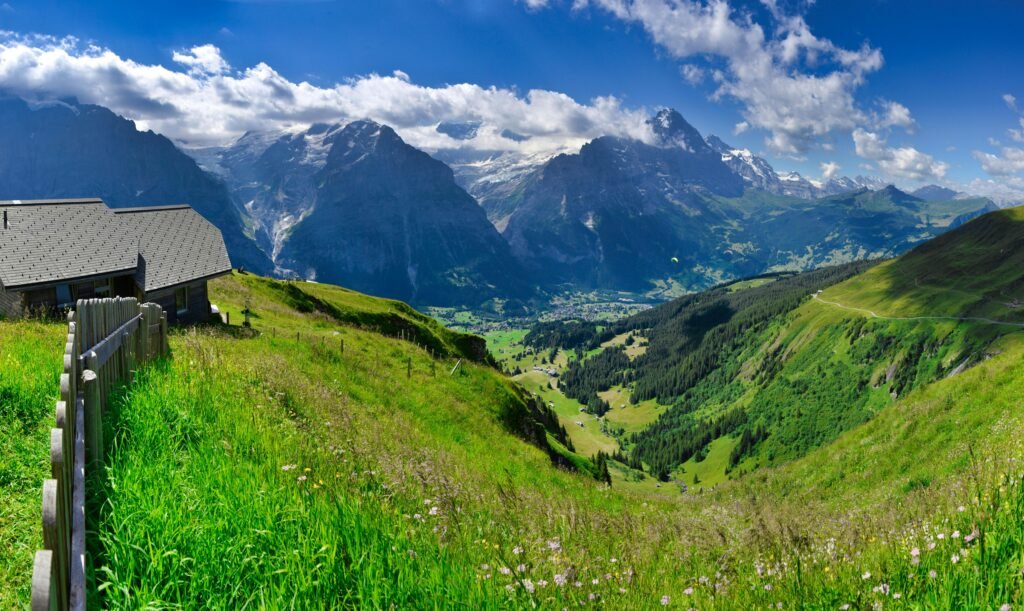
Switzerland doesn’t try to impress you. It doesn’t need to. The country operates with a quiet, almost understated confidence — pristine villages tucked beneath thousand-meter cliffs, trains that genuinely run on time to the minute, and a standard of living so high that “expensive” doesn’t quite capture what you’re experiencing. It’s more accurate to say you’re paying for excellence. The infrastructure is world-class, the people are polite (reserved, but genuinely helpful when approached), and the natural scenery borders on the absurd. Alpine meadows, glacial lakes in impossible shades of turquoise, and chocolate-box towns that look AI-generated but are very real.
Switzerland is also four countries in one, culturally speaking. The German-speaking north and east, French-speaking west (Romandy), Italian-speaking south (Ticino), and the tiny Romansh-speaking pockets of Graubünden each carry their own distinct personality. Crossing into Ticino from Zurich genuinely feels like crossing a border — the architecture shifts, the espresso gets better, and the pace slows down entirely.
Geography & Climate
The country divides roughly into three zones: the Jura Mountains in the northwest, the Swiss Plateau (Mittelland) through the center, and the Alps covering the southern two-thirds. Most travelers come for the Alps, which is fair, but the Mittelland — where Zurich, Bern, and Basel sit — is where everyday Swiss life actually happens.
Climate varies dramatically by elevation and region:
Safety & Travel Insurance
Even though Switzerland may be one of the safest countries, you still need a travel insurance.
Here’s why: healthcare costs in Switzerland are among the highest in the world. A helicopter mountain rescue — which happens more often than you’d think given how many people attempt trails beyond their experience level — can cost CHF 5,000–15,000+ ($5,500–$16,500 USD). A single night in a Swiss hospital has been quoted to uninsured travelers at over $3,000. Don’t gamble on this.
[Affiliate Link: World Nomads Travel Insurance] — specifically worth mentioning because their Adventure Plan covers hiking, skiing, and mountaineering activities at various levels, which standard travel insurance often excludes. [Affiliate Link: SafetyWing] is a solid budget alternative for longer-term travelers, though their adventure sport coverage is more limited. If you hold a premium travel credit card (like Chase Sapphire Reserve or Amex Platinum), check whether your card’s travel protection covers medical evacuation — many do, at least partially.
Visa Requirements
Switzerland is not in the EU but is in the Schengen Area. This means:
Entry is generally smooth and straightforward at Zurich and Geneva airports.
Connectivity
Switzerland has excellent mobile coverage, even in many mountain regions. The main carriers are Swisscom, Salt, and Sunrise. If you’re visiting for more than a week, picking up a local SIM from Salt (often the most affordable option) will save you significantly versus roaming fees. A 10GB data SIM runs around CHF 10–15 ($11–16 USD) at any convenience store or provider shop.
Wi-Fi is widely available in hotels, restaurants, and cafés. Many train stations offer free SBB (Swiss Federal Railways) Wi-Fi. Mountain huts and remote cable car stations are the main dead zones — plan for offline maps (download Switzerland in Google Maps or Maps.me before you go).
Main Entry Points
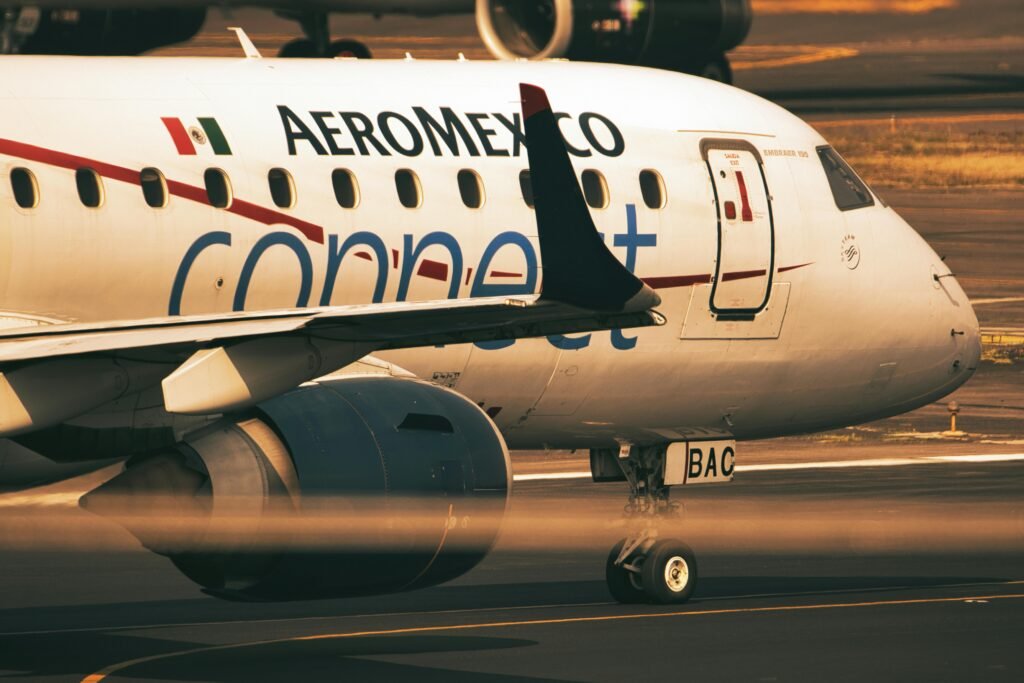
Zurich Airport (ZRH) is Switzerland’s largest international hub and the most logical entry point for most visitors. Geneva Airport (GVA) is the second major international airport and the better choice if your itinerary focuses on the western Alps (Chamonix valley, Zermatt, Lausanne, or Montreux). Basel EuroAirport (BSL/MLH) serves budget carriers and is shared with France and Germany — a genuinely useful option if you’re finding better prices there.
Airlines Worth Booking
Swiss International Air Lines (SWISS) is the national carrier and flies direct from numerous North American cities including New York (JFK), Chicago, Los Angeles, Boston, and Toronto, as well as extensive European connections. Their service quality is consistently high. [Affiliate Link: SWISS Airlines booking page]
For budget options within Europe, EasyJet has a significant base at Geneva and serves dozens of European cities. Ryanair serves Basel. Lufthansa and Austrian Airlines offer convenient connections through their hubs. [Include affiliate link for Skyscanner here] — genuinely one of the best tools for comparing Swiss flight prices across carriers. [Affiliate Link: Expedia] and [Affiliate Link: Google Flights] are worth cross-referencing, as prices can vary meaningfully between platforms.
Practical tip: Flying into Zurich and out of Geneva (or vice versa) is often the most efficient routing for an Alps-focused itinerary and can be cheaper than a roundtrip on the same route.
Getting Around Switzerland
This is where Switzerland genuinely earns its reputation for excellence. The Swiss public transport network is one of the best on the planet — trains, buses, boats, and cable cars all integrated into a single timetable that actually works.
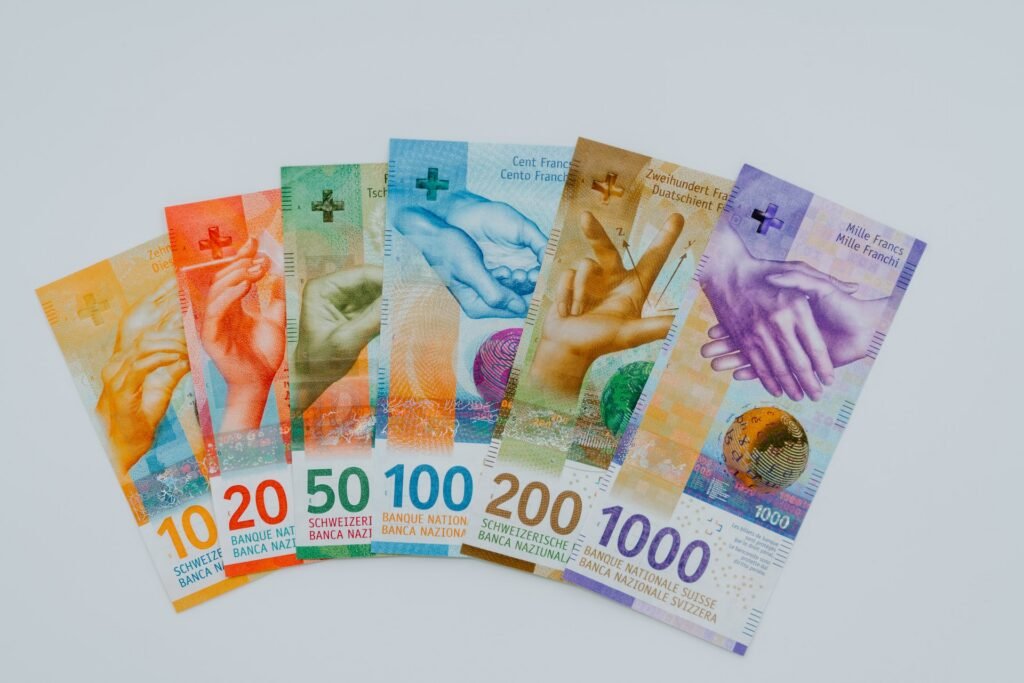
The Swiss Travel Pass is the headline product: unlimited travel on the national rail network, most lake boats, and postbuses, plus free entry to 500+ museums. Available in 3, 4, 8, or 15-day consecutive formats. [Affiliate Link: Rail Europe or SBB Swiss Travel Pass booking]. Prices run approximately:
For most first-time visitors doing a standard Swiss loop (Zurich → Lucerne → Interlaken → Zermatt → Geneva), the 8-day pass pays for itself quickly once you factor in the mountain railway surcharges it covers.
Rental cars are worth considering if you want to explore rural Ticino, the Engadin valley, or less-touristy parts of Graubünden. [Affiliate Link: Europcar Switzerland], [Affiliate Link: Hertz], and [Affiliate Link: Avis] all operate extensively. Roads are beautifully maintained but mountain passes require confidence — and some are closed seasonally. Note that parking in Swiss cities is expensive and often scarce; leave the car and use transit in urban areas.
Ride-hailing: Uber operates in Zurich, Geneva, Basel, and Bern. Local taxi services are also available everywhere but expensive — expect CHF 20+ ($22+) for even short urban trips. For getting between major cities, trains will beat taxis every time on both cost and convenience.
Switzerland is expensive. But “expensive” exists on a spectrum, and with the right approach, it’s manageable. Here’s what to realistically expect:
Budget Traveler: $30-50 USD/day
Mid-Range Traveler: $75-120 USD/day
Luxury Traveler: $200-400+ USD/day
Switzerland’s luxury ceiling is genuinely stratospheric — the Palace Hotel in Gstaad, the Bürgenstock Resort above Lake Lucerne, the Badrutt’s Palace in St. Moritz. [Affiliate Link: Hotels.com or Booking.com luxury filter] for comparison shopping.
Money-Saving Tips That Actually Work
Major Highlights: Why People Actually Visit
1. The Jungfrau Region (Interlaken, Grindelwald, Lauterbrunnen)
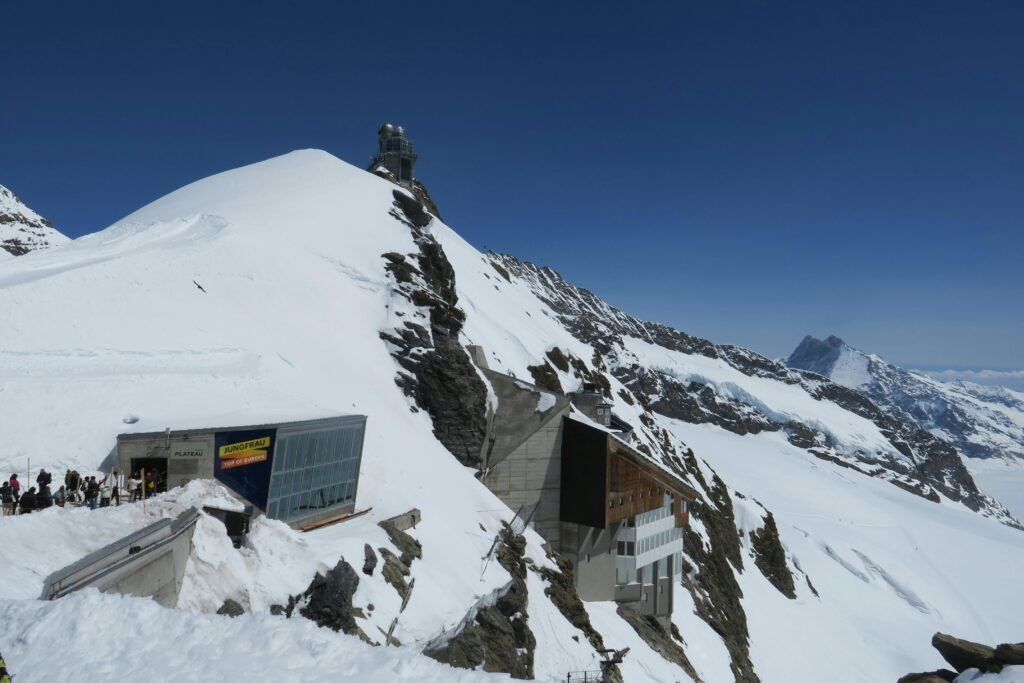
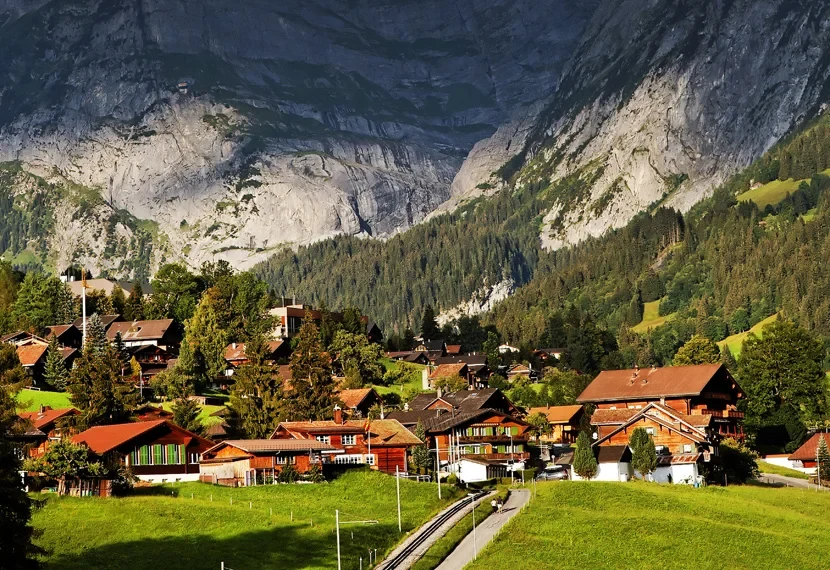
This is ground zero for the classic Swiss Alps experience. The Jungfraujoch — “Top of Europe” at 3,454m — involves a cogwheel train ride that passes through the Eiger mountain. Genuinely one of the more surreal travel experiences you can have in Europe. Budget CHF 210+ ($230) for the return journey from Grindelwald, though Swiss Travel Pass holders get a significant discount. The Lauterbrunnen Valley, with 72 waterfalls including the magnificent Staubbach Falls, is one of the most absurdly beautiful valley landscapes on Earth. Book day trips through [Affiliate Link: GetYourGuide Interlaken experiences] or [Affiliate Link: Viator Jungfrau tours] for guided options.
2. Zermatt and the Matterhorn
Zermatt is car-free (you park in Täsch and take an electric train in), which gives it an atmosphere unlike any ski resort you’ve been to. The Matterhorn is one of those mountains that doesn’t disappoint in person — it’s even more dramatic than photographs suggest, especially at dawn when it catches the first light. Take the Gornergrat Railway (CHF 50+ round trip) for the classic panoramic view of the Matterhorn alongside 28 other four-thousand-meter peaks. Summer hiking here is world-class.
3. Lake Geneva & the Lavaux Vineyards
The western arc from Geneva to Montreux along Lake Geneva is Switzerland at its most French and most elegant. The Lavaux UNESCO vineyard terraces between Lausanne and Montreux are best explored on foot — a 2-3 hour walk through terraced vineyards with the lake below and Alps beyond. In Montreux, the Château de Chillon (CHF 14 entry) is one of Switzerland’s best-preserved medieval castles and genuinely worth a few hours.
4. Lucerne: The Perfect Day-Stop That Deserves More
Most people do Lucerne as a day trip from Zurich, but it deserves an overnight. The Chapel Bridge (Kapellbrücke), Old Town, and the view of Mount Pilatus or Rigi from the lakeside are quintessential Switzerland without Interlaken’s tourist intensity. Take the Pilatus Golden Round Trip (boat + cogwheel railway + cable car, roughly CHF 95 with passes) for a spectacular full-day loop. [Affiliate Link: GetYourGuide Lucerne boat tours]
5. The Glacier Express: Railway as Destination
The Glacier Express between Zermatt and St. Moritz (or Chur) is one of the world’s great train journeys — 8 hours, 291 bridges, 91 tunnels, and scenery that makes it genuinely hard to look away from the window. Seat reservations are required (CHF 33–49 on top of your pass). Book through [Affiliate Link: SBB or Rail Europe Glacier Express] well in advance, especially for summer.
Small & Fun Activities: Local Experiences Worth Having
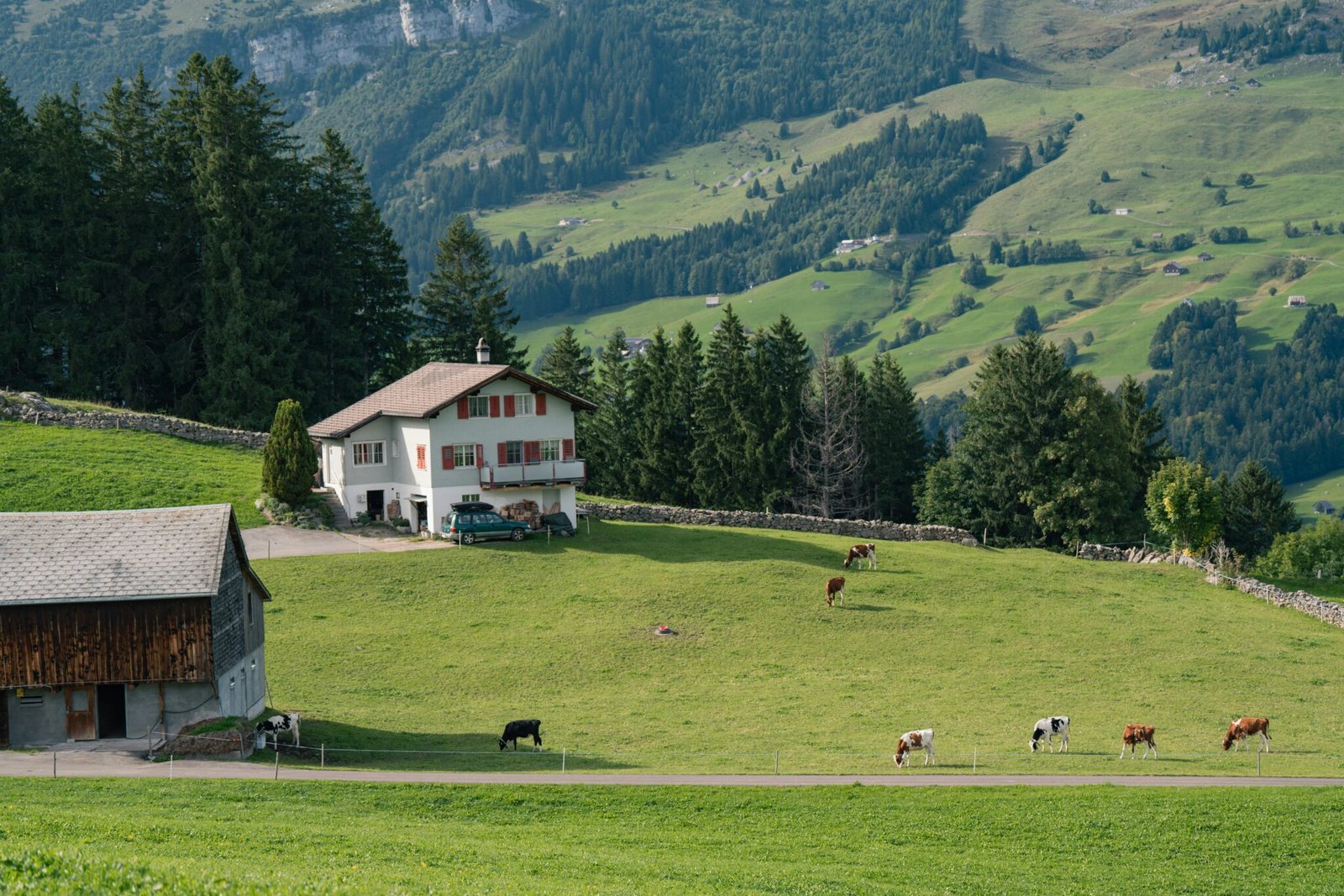
Appenzell: Possibly the most charming small town in Switzerland that most people haven’t heard of. Traditional painted houses, the world’s most photogenic main square, and some of Switzerland’s best hiking on the Alpstein range nearby. It’s also where you can see Landsgemeinde if you time it right — a centuries-old open-air democracy where citizens vote by show of hands. Utterly unique.
Swimming in the Aare in Bern: Bern’s residents float down the glacially cold Aare River on summer afternoons as a daily ritual. Join them. It’s free, utterly Swiss, and one of those experiences that no tour company will sell you.
The Bürglensstock Funicular to Nowhere: The historic funicular above Lake Lucerne runs to a ridge with views so disproportionate to the effort involved that it feels almost unfair.
Ticino’s Lavertezzo: In the Italian-speaking south, the natural rock pools at Lavertezzo in the Verzasca Valley are where Swiss locals go to escape summer heat. The Roman bridge and emerald water feel like Sardinia, not central Switzerland.
Chocolate factory tours in Broc or Maison Cailler, Gruyères: Cailler is Switzerland’s oldest chocolate brand and their Gruyères factory offers genuinely engaging tasting tours. CHF 15–20 per person. [Affiliate Link: GetYourGuide Chocolate Tour Switzerland]
When to Visit Switzerland
Summer (June–August): Peak season for a reason. All mountain lifts operating, hiking trails open, lake swimming, wildflower meadows. Also peak prices and peak crowds — Grindelwald and Zermatt feel overwhelmed in July and August. If you visit in summer, arrive early and stay in smaller villages rather than the main tourist hubs.
Autumn (September–October): My honest recommendation for most travelers. Crowds thin after mid-September, prices drop noticeably, the light is extraordinary, and foliage transforms the lower valleys from late September. Mountain weather can be more settled in early September than August. The Lavaux wine harvest (vendange) in October is a bonus.
Winter (December–March): If you ski, Switzerland’s resorts (Verbier, Zermatt, St. Moritz, Davos) are among the world’s finest — and among the world’s most expensive. Non-skiers can still find magic here: Christmas markets in Basel and Zurich are genuinely wonderful, and the snow-covered landscapes are beautiful. Just budget accordingly and book accommodation months in advance.
Spring (April–May): The awkward shoulder season — snowmelt can make some trails muddy or inaccessible, and higher mountain infrastructure isn’t fully operational until mid-June. However, valley towns are lovely, prices are at their lowest, and by May, conditions in lower areas are excellent. A good choice for cities and lake exploration.
Best Overall Time: Early September — the sweet spot between summer access and autumn atmosphere, with meaningfully fewer crowds and slightly better prices.
Switzerland will cost you more than almost anywhere else in Europe. That’s simply true. But the value equation here is genuinely different from expensive-but-disappointing destinations — Switzerland over-delivers on what it promises. The trains run perfectly. The mountains are absurd in the best possible way. The food, while pricey, is consistently good. The infrastructure makes independent travel remarkably stress-free.
Top Tips for First-Timers:
Switzerland isn’t a country you see. It’s a country you feel — in the cold of a glacier wind, in the silence of a mountain valley at dawn, in the perfectly timed click of a train door at departure. It stays with you because it’s unlike anywhere else. Plan carefully, budget honestly, and then go — because the version of Switzerland waiting for you is better than the one in your imagination.